
Blog
E-Bike Motor Noise: What Buyers Should Check


E-bike motor noise is difficult to judge from a product video. Background music may hide it, a phone microphone may exaggerate it, and a quiet car park tells you little about the sound on a hill. For buyers, the useful question is whether the complete bike sounds comfortable and behaves consistently during the riding you actually plan to do.
A smooth hum and a new grinding sound are not the same issue. Nor does an expensive bike automatically suit a rider who dislikes a particular pitch. A careful test ride, clear questions and model-specific support are more useful than looking for a universal “silent motor” label.
E-Bike Motor Noise Starts with the Whole Bike
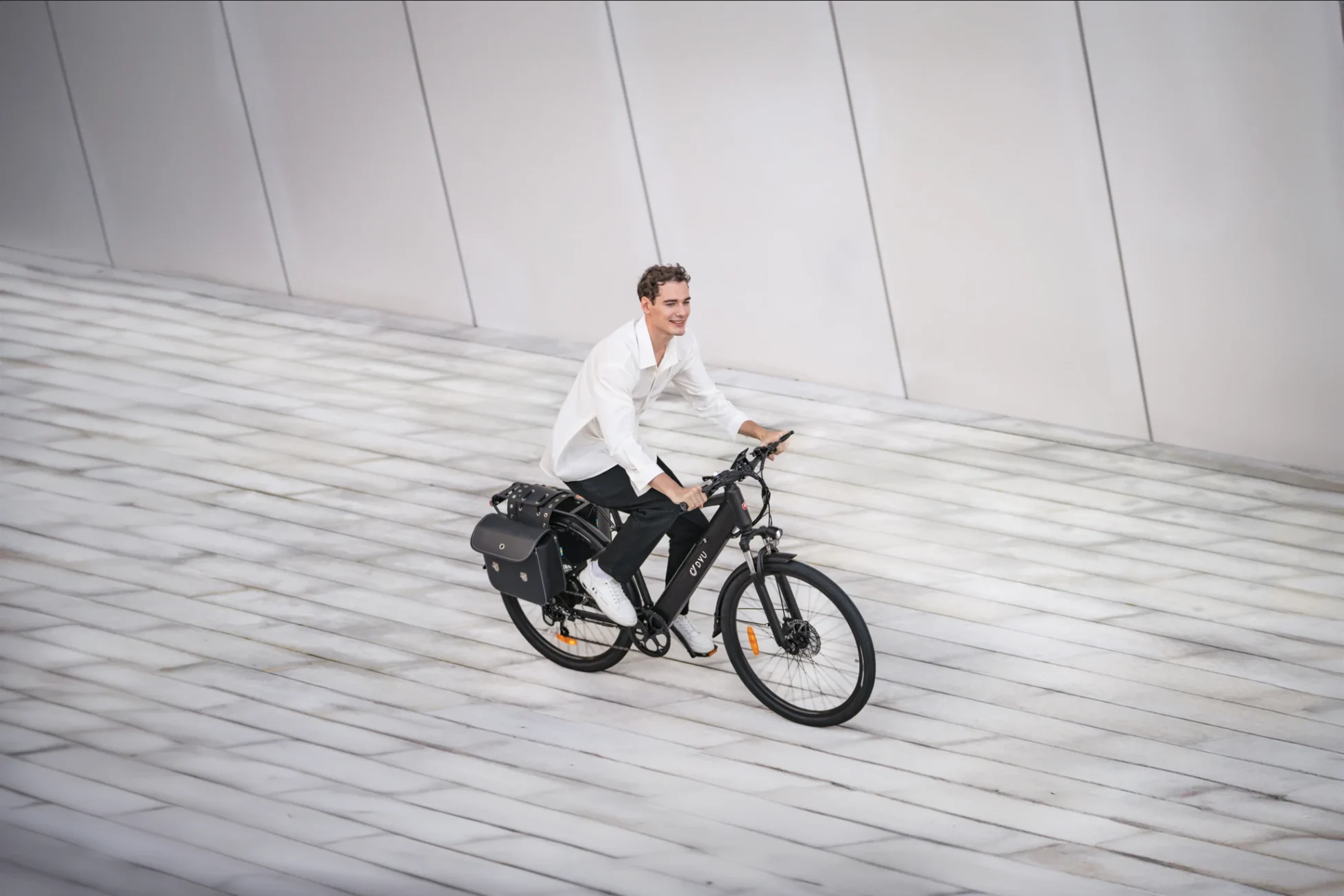
What reaches your ears includes more than the drive unit. Tyres contact the surface, a chain or belt moves, gears shift and accessories can vibrate. A sound that seems to come from the motor area may travel through the frame from another component.
Park Tool’s noisy-drivetrain troubleshooting guide explains why a noise investigation can extend to pedals, cranks and other parts. For a buyer, the lesson is to avoid declaring the motor faulty from location alone. Ask a mechanic to identify the source if it is unclear.
Separate three questions. Does the bike behave normally? Has its sound changed? And is the sound acceptable to you? A bike may need no repair yet still be a poor personal choice if its usual operating tone bothers you throughout a regular commute.
Describe the circumstances instead of relying on words such as “loud” or “strange”. Note whether the sound appears under assistance, while coasting, over bumps, during braking or once per pedal revolution. That observation is useful even when you cannot identify the component.
Why Two Healthy Systems Can Sound Different
Motor design and mechanical transmission influence the sound a system produces. Different generations can also behave differently. Bosch, for example, describes gearbox and acoustic changes in its Performance Line CX development announcement. That is evidence about that particular drive family, not a promise about every electric bicycle.
Do not turn a specification such as 250 W, 55 Nm or 70 Nm into an acoustic score. It does not tell you the pitch, sound level at the rider’s ear or response to a particular load. Two products with similar headline ratings can still feel and sound different.
Think about your route too. On a quiet early-morning climb, an operating sound may be more noticeable than it is beside busy traffic. Wind and tyre noise can mask it at higher speed. Try the conditions that matter to you rather than accepting one short demonstration as representative.
A useful comparison holds the surroundings reasonably steady. Ride the same permitted loop with similar load, tyre setup and assistance demands. It will not become a laboratory test, but it reduces the chance that you are comparing a quiet courtyard with a noisy road.
A Short Listening Plan for a Test Ride
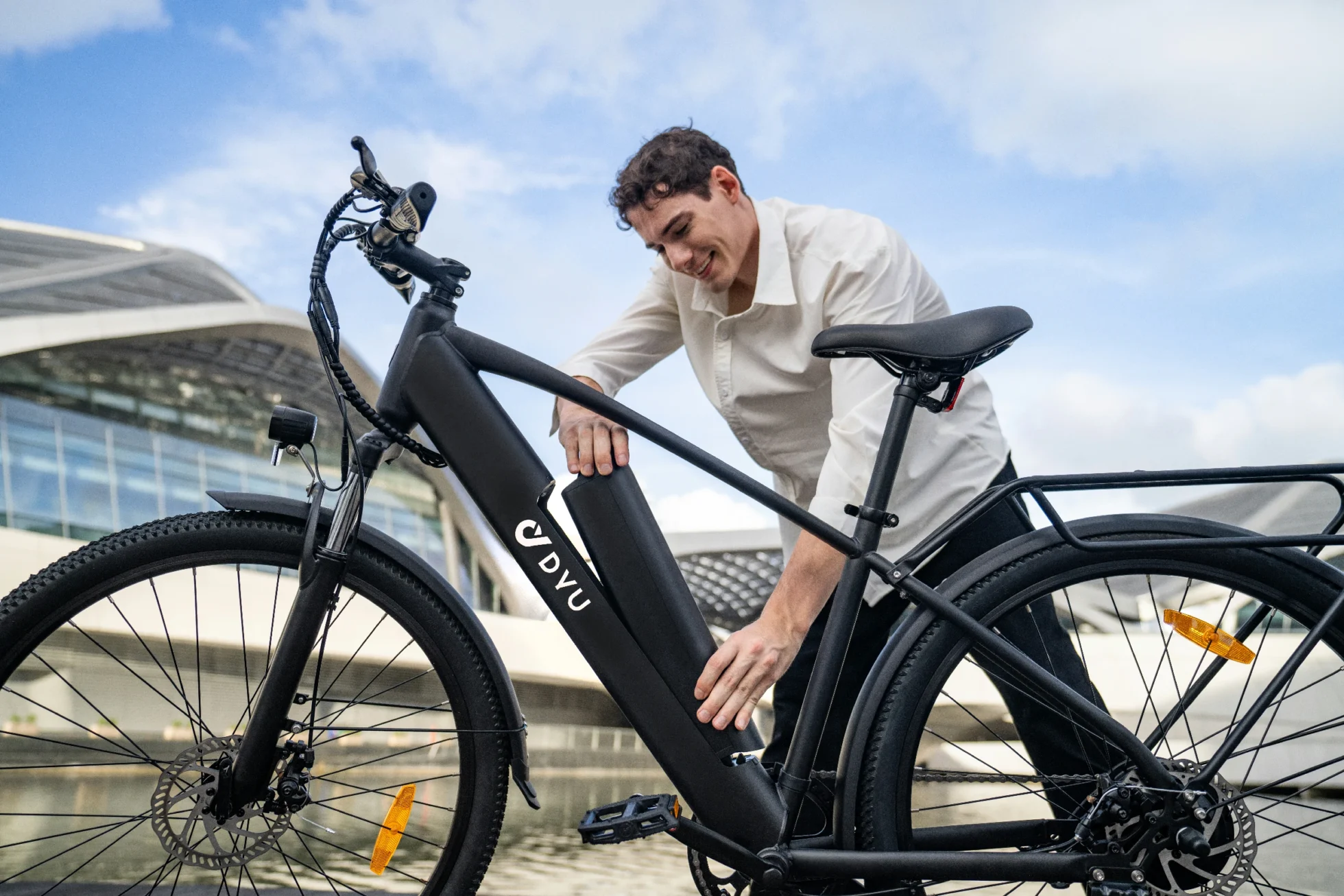
Ask the seller to explain normal controls before setting off. Choose a safe route and keep your attention on riding. Do not lean down toward the motor, look backward at the wheel or hold a phone while moving to capture a better recording.
| Situation | What to notice | Useful follow-up |
|---|---|---|
| Gentle assisted start | Sound and assistance arrive smoothly | Is this the expected sound for this exact model? |
| Steady level riding | A consistent tone rather than unexplained interruptions | Does the same sound occur on another equivalent bike? |
| Modest incline | How sound changes as assistance works harder | Does the seller identify any abnormal behaviour? |
| Safe coasting section | Which noises remain without pedalling | Could tyres, a freewheel or accessories be involved? |
| Normal braking | Whether the noise follows brake use | Does the brake system need inspection? |
There is no need to test maximum power or deliberately strain the drivetrain. Use ordinary riding that reflects your intended journey. If a sound comes with a jolt, loss of assistance, poor braking or unexpected handling, end the test and ask the seller to investigate.
A 3–5 km loop can provide more useful impressions than repeatedly accelerating across a shop forecourt, where space and traffic allow it. The distance is a suggested comparison format, not a technical standard or proof that a bike has no faults.
After the ride, write down the conditions while they are fresh: assist level, approximate speed, slope and whether you were pedalling. If there is a second equivalent demonstration bike, ask the seller to compare it under similar conditions. Differences should lead to questions, not an instant diagnosis.
Phone Recordings Are Evidence, Not a Noise Ranking
A recording can help describe a new sound to support, especially if you include what happened immediately before it started. Keep the device secure and arrange recording without distracting the rider. A helper can record from a safe stationary position when appropriate.
Comparing unrelated online clips is much less reliable. Microphone position, wind reduction, automatic gain, editing and background sound can all change what you hear. A motor recorded close to its casing will not sound like the same bike filmed from across the street.
Be equally careful with phone sound-meter numbers. Unless the equipment and measurement procedure are suitable and consistent, small numerical differences should not decide an expensive purchase. A number without distance, load and recording conditions provides little context.
Ask for a plain, unedited demonstration if you cannot visit. Request a description of the route and assist setting, then ask about trial or return arrangements before ordering. A video can help narrow questions, but it cannot establish how the sound will feel to you during a longer ride.
Three Buying Examples and the Questions to Ask
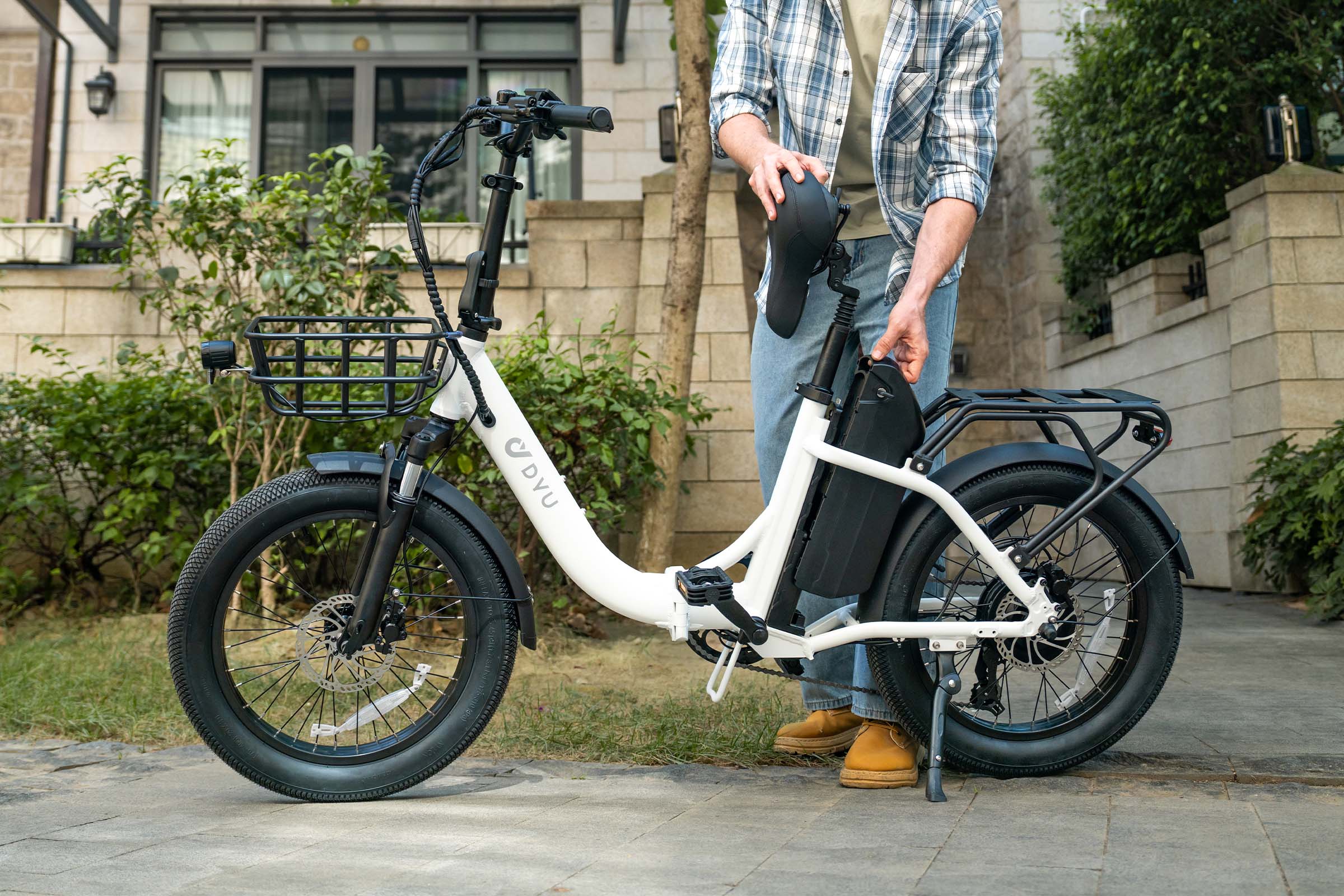
The following models illustrate different questions to take to a seller. They are available at the time of writing, with prices checked on 18 September 2026. No comparable sound measurements are available here, so none is ranked as the quietest.
| Model and current price | Relevant listed feature | Question before purchase |
|---|---|---|
| HITWAY BK18 Pro €1,149.99 |
Belt drive and torque sensor | Can I hear the complete bike under normal assistance, including the belt drive? |
| HITWAY BK6S L1 €899.99 |
Folding format and 250 W motor | How are folding joints and fitted accessories checked if a rattle develops? |
| HITWAY BK15 Plus €949.99 |
250 W motor and 70 Nm stated torque | Can I hear it on a modest climb without confusing torque with sound level? |
A belt drive can appeal to a rider who wants a different maintenance routine, but the drive label does not prove the entire bike is silent. Gates’ bicycle belt-system overview describes its own belt technology. It does not establish the belt supplier or acoustic performance of the BK18 Pro.
Likewise, a folding frame is a storage choice, not evidence that a bike will rattle. Ask how the specific model should be inspected and adjusted. The useful tradeoff is whether its everyday convenience comes with maintenance and support you can manage.
If sound comfort is a high priority, the best choice among these examples depends on a real demonstration and the seller’s answers. Price, motor rating and a broad range claim do not fill that evidence gap.
Know When to Stop Comparing and Request Inspection
A persistent operating hum can be a comfort question; a new harsh noise with vibration or changed behaviour calls for inspection. Stop riding if there is loss of control, unreliable braking, a loose wheel, visible damage or a sound accompanied by a serious mechanical symptom.
Do not open the drive unit or spray lubricant through gaps to see whether it becomes quieter. The required diagnosis may involve another component entirely, and the correct procedure depends on the manufacturer. Keep a record of when the sound started, including any recent impact, wheel removal or service.
For a new bike, contact the seller promptly and ask what information is needed. Send the model details, purchase reference and a clear description before authorising paid work. If the bike needs workshop assessment, clarify the location and transport arrangements.
For an existing bike, comparison with its own previous behaviour is particularly useful. “It began after the rear wheel was refitted” is a more actionable observation than “all e-bikes seem noisy”. Avoid repeated test rides intended only to reproduce a concerning fault.
Put Support Quality Beside Sound Comfort
A quiet demonstration is reassuring, but ask what happens if the bike later develops a noise. Can the seller distinguish a routine adjustment from a drive-unit issue? Is there a named service route? What evidence should you provide before arranging repair?
Keep the questions specific and practical. Ask whether local inspection is possible, whether the entire bike must be shipped and how a diagnosis is agreed. Do not assume a nearby general bicycle workshop services every electrical system.
The strongest buying decision combines a sound you find acceptable, predictable controls, suitable fit and a credible support plan. If the seller cannot explain a worrying noise before purchase, postpone the decision until it has been assessed.
Choose the Sound You Can Live With
Use e-bike motor noise as one part of a complete test ride. Compare like-for-like conditions, separate personal comfort from mechanical symptoms and ask for evidence when a claim says “silent” or “quietest”.
A smooth bike with clear support can be a better purchase than one that sounds impressive in a heavily edited clip. Listen to the actual model, take notes and give yourself permission to choose a different option if its normal tone does not suit your daily journey.
FAQs
Q1. Are all e-bike motors supposed to be silent?
No. Sound varies with design and operating conditions. Ask what is expected for the exact system, and have new or concerning noises assessed.
Q2. Does more torque mean more motor noise?
A torque rating alone cannot predict perceived noise. Compare the actual bikes under similar riding conditions.
Q3. Does a belt drive guarantee a silent e-bike?
No. The motor, tyres, brakes, accessories and other parts still contribute sound. The specific belt system also needs correct setup.
Q4. Can a phone recording prove one model is quieter?
Not reliably when recording conditions differ. Use clips to ask better questions, then assess the bike in person where possible.
Q5. Should I keep riding to investigate grinding?
Stop if grinding is new, persistent or accompanied by vibration, reduced control or changed assistance. Ask the seller or a qualified mechanic to inspect it.


