
Blog
E-Bike Tire Pressure for Rider Weight: A Setup Guide

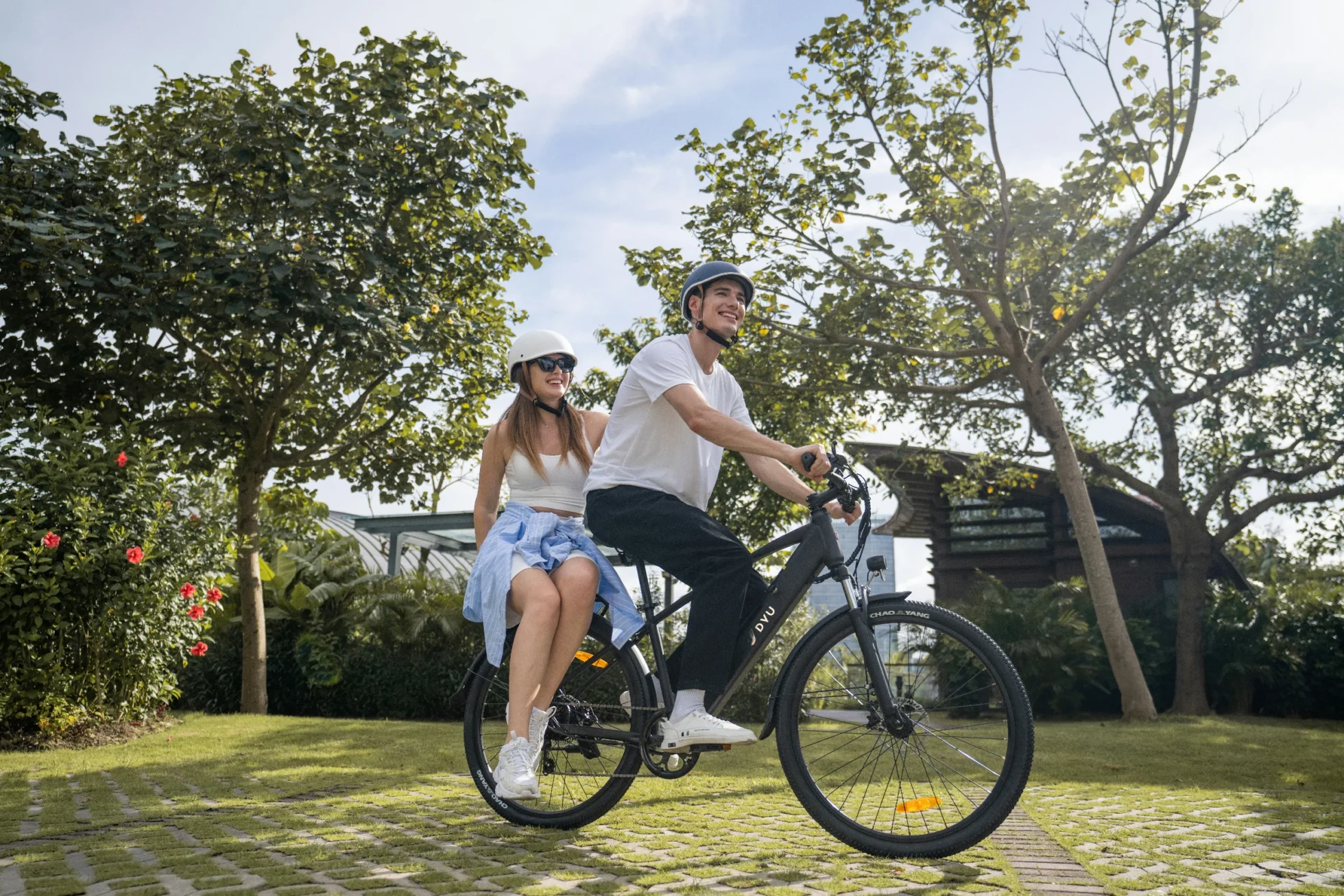
E-bike tire pressure for rider weight is not one magic number. The useful setting depends on the combined load, tire size, casing, terrain, weather and the minimum and maximum printed on the tire. A pressure that feels calm for a light solo rider can feel vague with a loaded pannier, while copying a heavy rider’s number can make a lighter rider’s bike harsh and skittish.
The safest starting point is always the tire and bike manufacturer’s guidance. From there, small measured changes can improve comfort and control. This guide explains how to build that baseline without treating guesswork as tuning.
Start With Total System Weight, Not Body Weight Alone
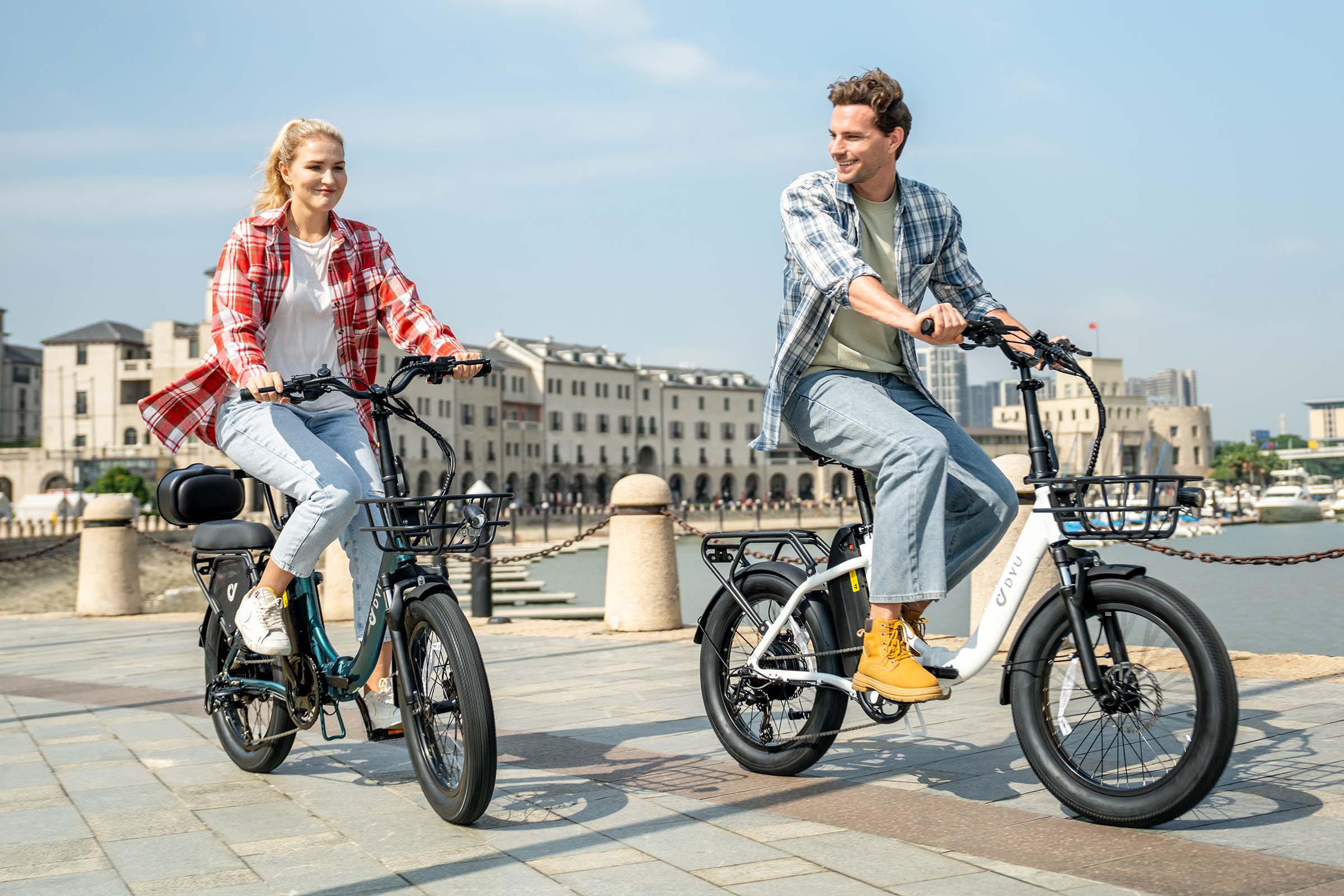
Rider weight matters, but it is only part of the load carried by the tires. Add the bike, battery, lock, bags, child-seat hardware, groceries and anything mounted on a rack. Two riders with the same body weight can need different starting pressures because one carries 12 kg of commuting equipment and the other carries only a phone.
The front and rear tires rarely carry equal loads. Most city e-bikes place more weight over the rear wheel, especially when the motor, battery or cargo sits behind the rider. That does not automatically mean a dramatic pressure difference, but it explains why the rear can feel soft or strike the rim first.
The existing e-bike weight guide helps separate bike mass from carrying difficulty. For tire setup, combine that bike weight with the real rider-and-cargo load rather than looking at the rider in isolation.
| Input | Why it matters | What to record |
|---|---|---|
| Rider and clothing | Main moving load | Approximate ready-to-ride mass |
| Bike and battery | Permanent tire load | Listed bike weight |
| Cargo and accessories | Often concentrated at the rear | Typical weekday load |
| Tire dimensions | Air volume changes support | Width and diameter on sidewall |
| Surface | Changes grip and impact risk | Smooth road, broken street or trail |
Read the Tire Sidewall Before Using a Calculator
The sidewall gives the tire size and an approved pressure range or limit. Those markings define the safe envelope for that tire. They are not necessarily a single recommended pressure for every rider. The rim may have its own pressure limit too, and the lower of the relevant limits wins.
Do not assume that two tires labelled with the same width hold the same volume or use the same casing. Actual mounted width changes with rim width, construction and inflation. Schwalbe’s tire-pressure guidance explains the basic relationship between load, tire width and pressure, while still keeping the tire’s stated limits central.
Inspect condition before inflating. A cut sidewall, exposed casing, damaged bead, bent rim or loose valve is a repair problem, not a pressure problem. Replace a missing valve cap, seat the pump head squarely and use a gauge you can read consistently.
How Rider Weight Changes the Starting Point
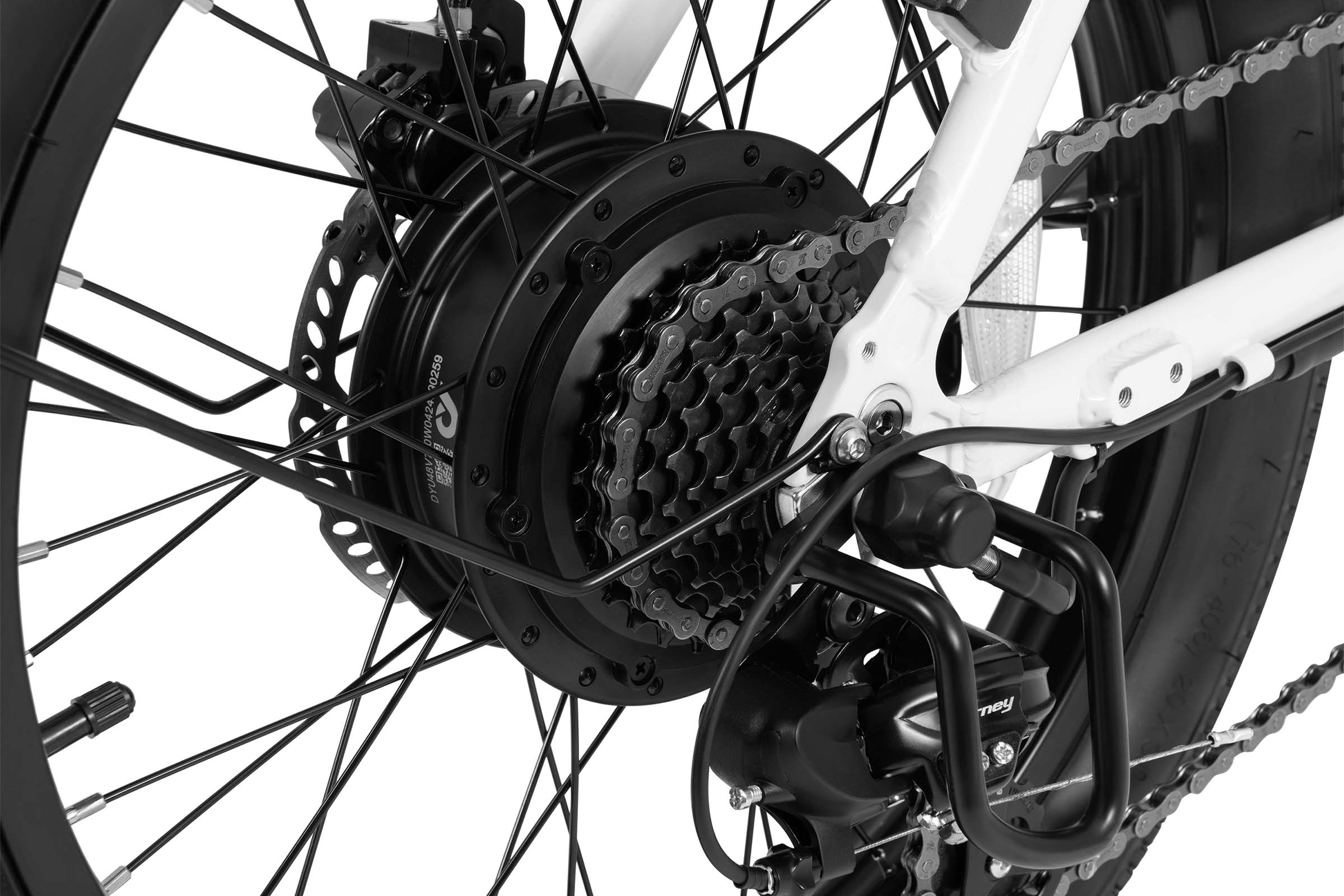
A heavier total load compresses the tire more at the same pressure. That increases the chance of excessive squirm, rim strikes and casing damage. Raising pressure within the approved range can restore support. A lighter load usually allows a lower starting point, which can improve comfort and grip, but going too low creates its own problems.
Think in small steps. One large jump can hide the point where the bike changes from controlled to harsh. BikeRadar’s tire-pressure guide describes the variables behind a starting calculation. The exact road-bike figures are not universal e-bike targets, but the method of considering system weight, tire width and conditions is useful.
- Use the same gauge for each comparison.
- Change one tire by a small amount at a time.
- Record front and rear settings separately.
- Repeat the same short route before judging.
- Stay inside every tire, rim and bike limit.
Balance Comfort, Grip and Rim Protection
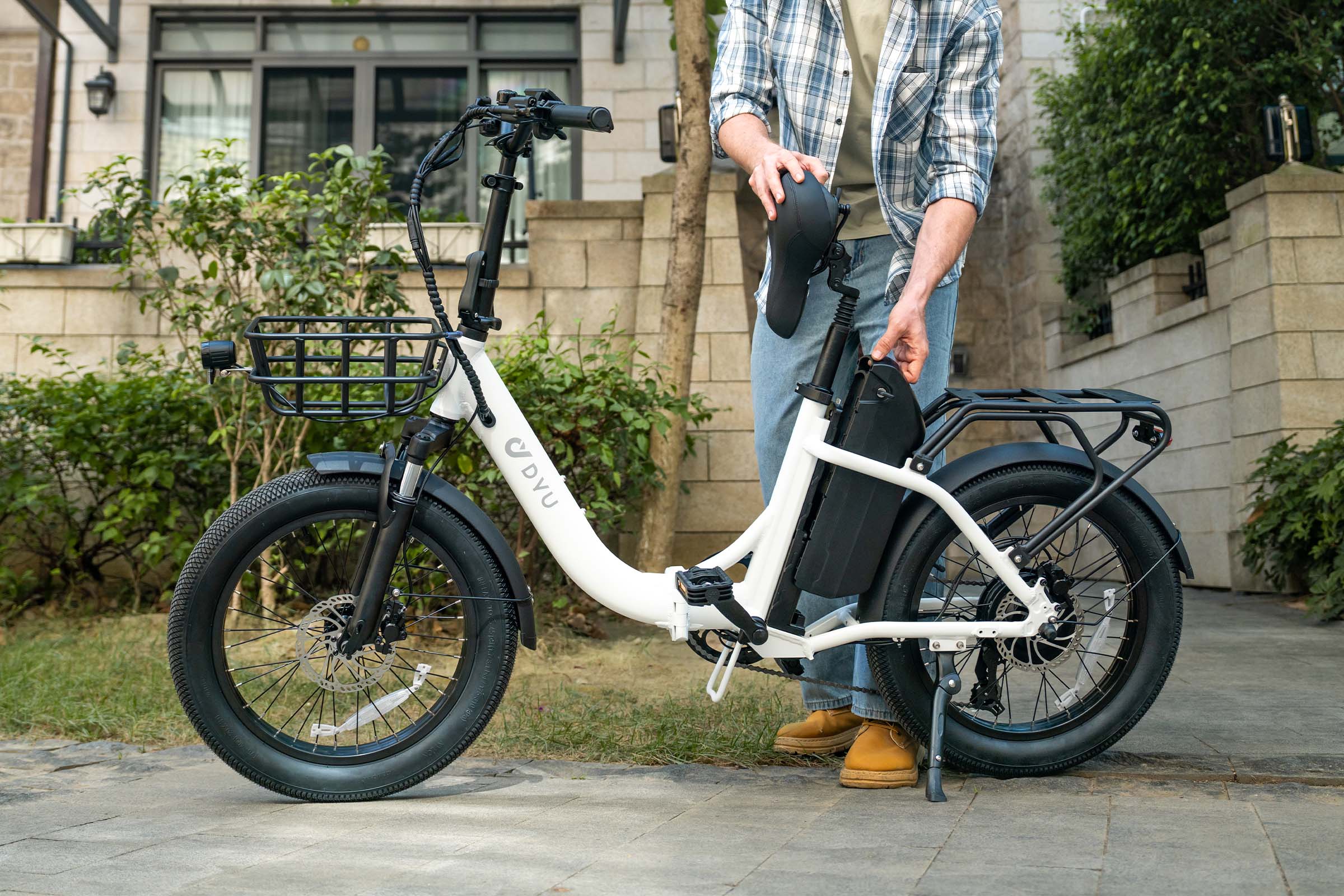
Too much pressure can reduce the tire’s ability to follow rough pavement. The bike may bounce across broken surfaces, feel nervous on wet paint and transmit more vibration to the rider. Too little pressure can make steering slow, let the casing fold in corners or allow a hard edge to reach the rim.
The best practical setting is a compromise. It should support the load, protect the rim, keep steering predictable and avoid unnecessary harshness. Cycling Weekly’s pressure overview also notes that conditions and setup matter, which is why a copied number is only a starting reference.
Wider tires usually use lower pressures than narrow tires because they contain more air, but “wider means as low as possible” is not a safe rule. The e-bike tire-width guide explains how 2.0, 3.0 and 4.0-inch formats change ride feel and storage. Pressure still has to match the particular tire, rim and load.
Adjust for Cargo, Weather and Daily Routes
A grocery run can shift several kilograms to the rear. A child seat changes the load much more and also raises the centre of gravity. Check the bike’s payload limit first, then set pressure for the actual trip rather than yesterday’s empty-bike commute.
Temperature matters because air pressure changes as conditions change. A bike inflated in a warm flat may read lower after sitting outside in winter. Check cold tire pressure before riding rather than immediately after a long trip, and expect seasonal adjustments.
Wet roads do not justify dropping below safe support levels. Grip depends on rubber, surface contamination, tread, speed and braking technique as well as pressure. Use smooth inputs and leave more stopping distance. Pressure is not a substitute for a sound tire.
Three Current E-Bike Formats in Context
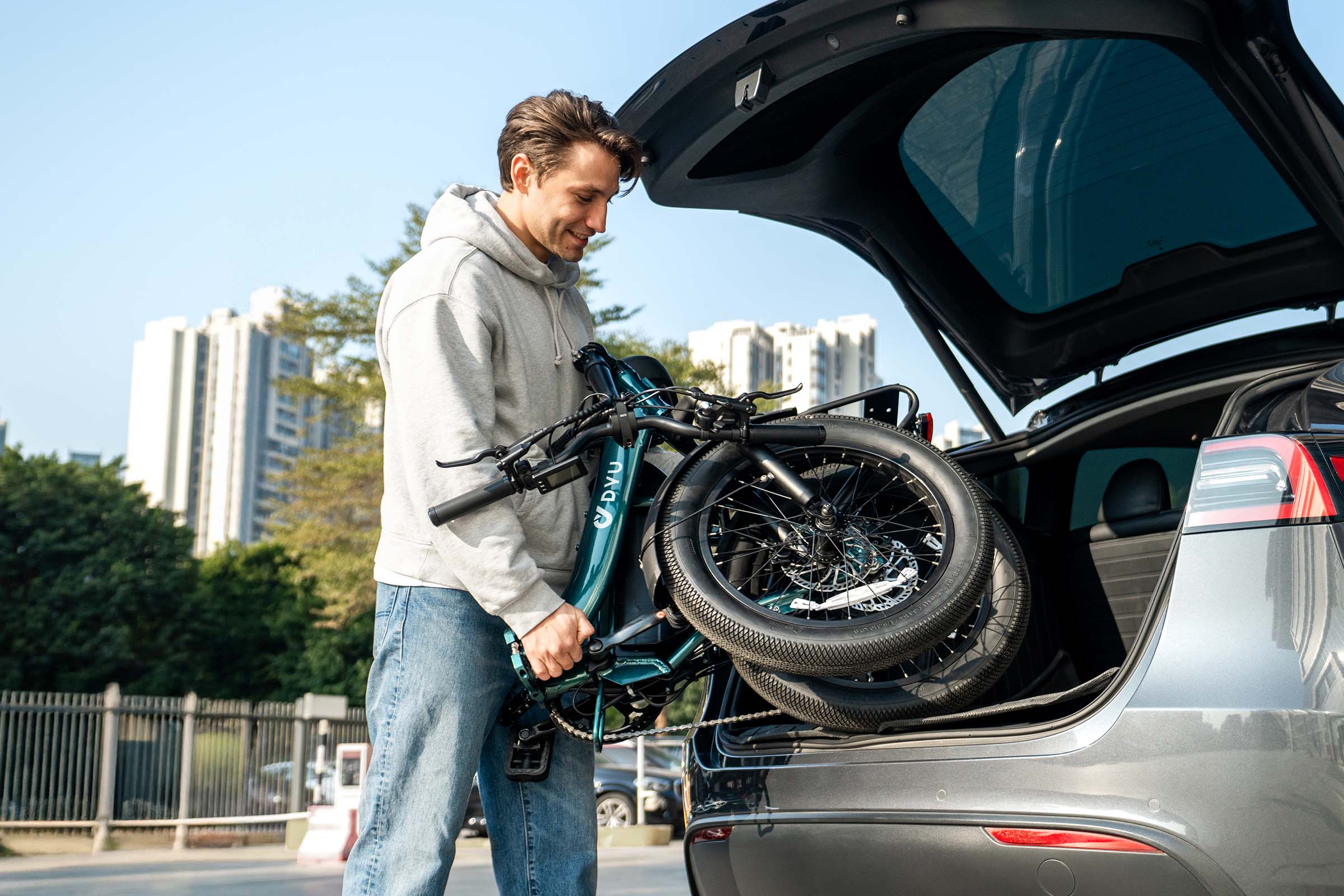
Current listings show why one pressure rule cannot fit every e-bike. The HITWAY BK18 Pro Belt Drive Electric Bike is listed at €1,149.99 with a 36V 10.4Ah battery, a torque sensor, hydraulic disc brakes and a stated 40 to 80 km range. Its low-maintenance city focus still requires riders to read the exact fitted tire markings.
The HITWAY BK6S L1 Folding Electric Bike is listed at €899.99 with 20 x 3.0-inch tires, a 36V 15.6Ah battery, 55 Nm of torque and a stated 70 to 150 km range. The higher-volume tire format can use a different pressure range and feel from a narrow city tire, but the sidewall remains the authority.
The HITWAY BK15 Plus 29 Inch Electric Bike is listed at €949.99 with 29 x 2.125-inch tires, a 48V 15.6Ah battery, 70 Nm of torque and a stated 80 to 150 km range. Larger diameter changes rollover feel, while tire width and construction still determine the pressure window.
All three were listed as available and purchasable when checked for this guide. Their different formats are buying references, not pressure prescriptions. Read the tire and rim, estimate the real load, then tune conservatively.
A Repeatable Test Ride Beats Guessing
Choose a short loop with smooth pavement, a rough patch, one familiar corner and a safe braking area. Ride at normal commuter speed. Pay attention to steering response, vibration, rear-tire movement and any rim-strike sensation. Do not test at maximum speed.
Back at home, check the pressure with the same gauge and write down the result. Adjust in a small step only if the bike remains within every stated limit. Repeat the route. A notebook entry is more useful than memory after three changes.
Add tire pressure to the e-bike maintenance schedule. Weekly checks suit frequent riders, while any visible softness, temperature swing, puncture repair or heavy cargo trip justifies an earlier reading.
Signs the Problem Is Not Tire Pressure
Pressure adjustment cannot fix a damaged tire, loose spoke, warped rim, worn wheel bearing or misaligned brake. Stop riding if the tire bulges, the bead lifts, cords show, the valve leans suddenly, the rim is cracked or the wheel moves sideways at the hub.
A repeated pressure loss also needs diagnosis. Look for a puncture, valve leak, rim-tape problem or tubeless seal issue as appropriate. Pumping the tire every morning without finding the leak is not a setup routine.
Final Recommendation
Build e-bike tire pressure around the complete system: rider, bike, cargo, tire, rim and route. Start inside the printed limits, use one reliable gauge and make small front-and-rear adjustments. Record what you change.
The right result is not the highest pressure or the softest ride. It is predictable steering, adequate rim protection, useful grip and comfort that lasts for the real journey. If a pressure only works when it ignores a tire or rim limit, it is not the right pressure.
FAQs
Q1. What tire pressure should I use for my weight on an e-bike?
Use the tire and rim limits first, then estimate the combined rider, bike and cargo load. Start from manufacturer guidance and adjust in small measured steps rather than copying another rider’s number.
Q2. Do heavier e-bike riders need higher tire pressure?
A heavier total system load often needs more pressure for support and rim protection, provided the setting stays within all limits. Tire width, construction and weight distribution also affect the result.
Q3. Should front and rear e-bike tires use the same pressure?
Not always. The rear commonly carries more load, so some setups use a modestly higher rear pressure. Follow the bike and tire guidance and tune each end conservatively.
Q4. How often should I check e-bike tire pressure?
Weekly checks are sensible for frequent riding. Check sooner after a large temperature change, puncture repair, visible softness or a change in cargo.
Q5. Can lower tire pressure improve e-bike grip?
Lower pressure within the approved range can improve compliance on some surfaces, but too little pressure causes squirm, rim strikes and casing damage. Grip also depends on tire condition, surface and riding technique.


