
Electric Bike & Scooter Blog
E-Bike Rain Riding Buyer Guide: What To Check in 2026

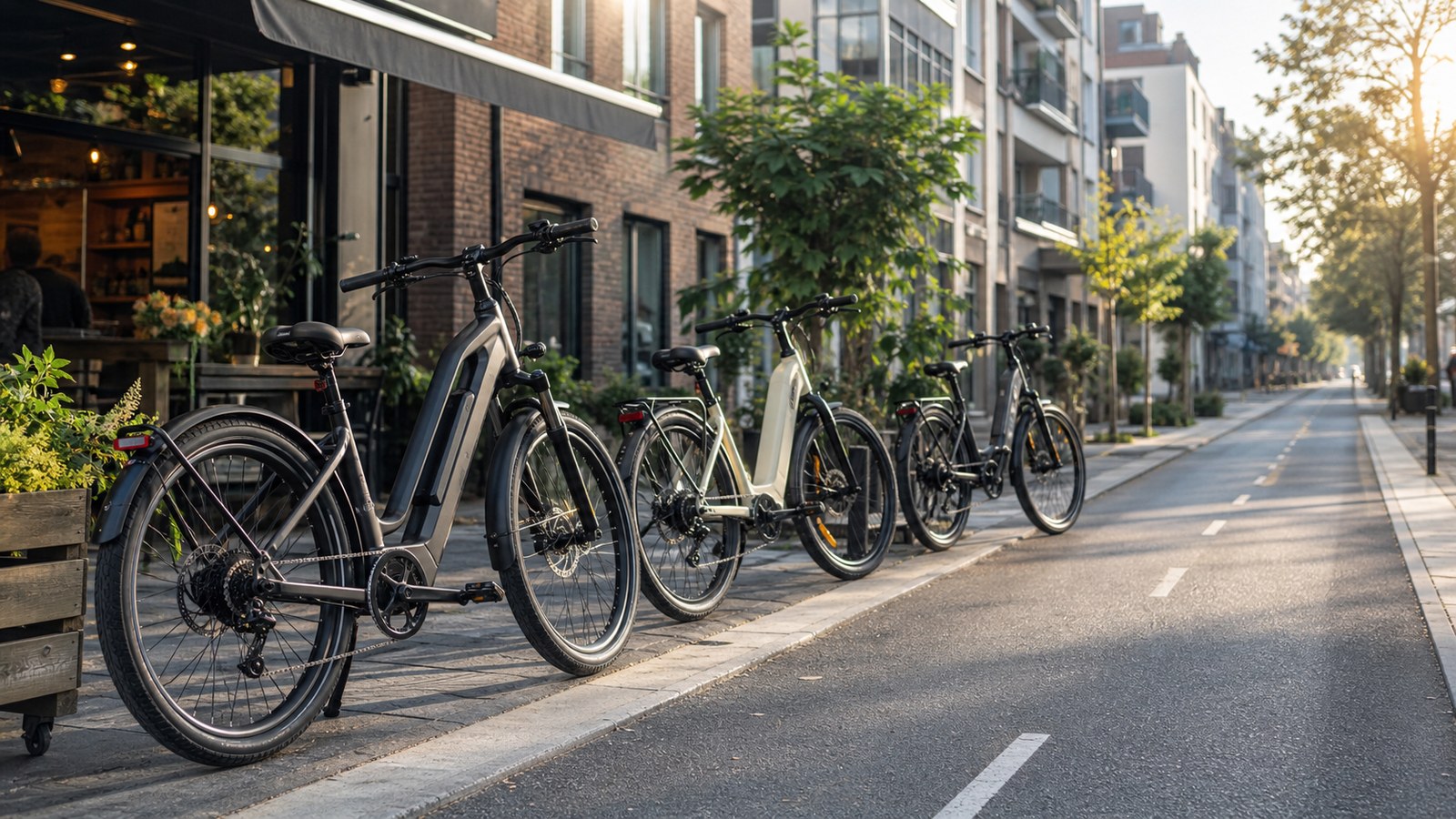
E-bike rain riding should influence the buying decision before the first wet commute. A bike that looks perfect on a sunny product photo can feel very different when the route has painted lines, puddles, tram tracks, wet leaves, and a bag on the rack.
This guide is for shoppers who expect real European weather. The goal is not to find a magic waterproof bike. It is to choose a bike, gear routine, and storage plan that still make sense after three rainy weeks.
E-Bike Rain Riding Starts With Brakes and Tires
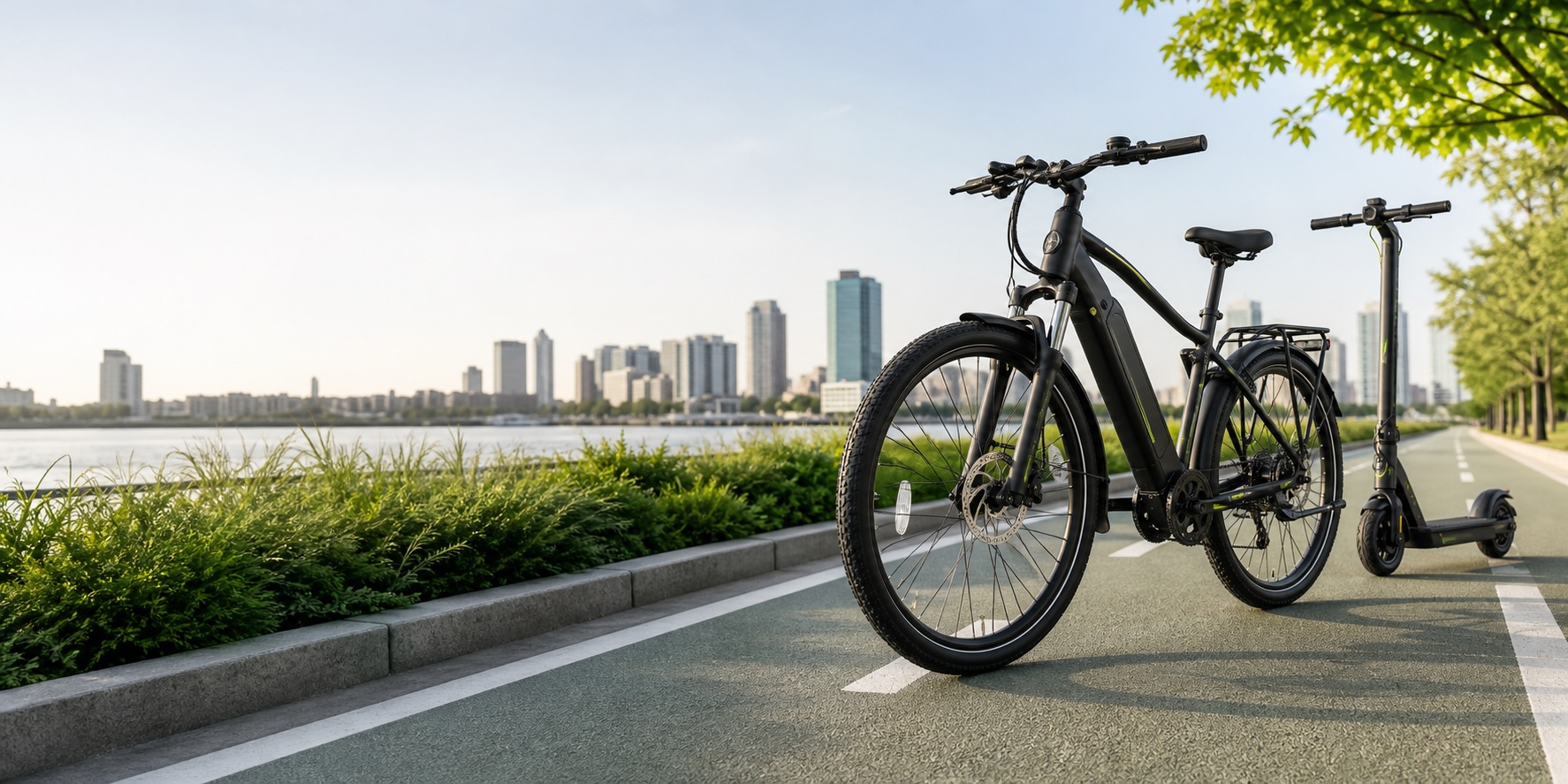
Rain makes small weaknesses obvious. Weak brakes feel weaker. Narrow tires can feel nervous on rough paving. A rider who normally brakes late suddenly needs more room. That is why brakes and tires belong near the top of a wet-weather shortlist.
| Rain factor | What to check before buying | Why it matters |
|---|---|---|
| Brake type | Disc brakes, lever feel, and service access | Wet stops need predictable control |
| Tire size | Width, tread, pressure range, and replacement availability | Tires decide grip before the motor matters |
| Lighting | Front light, rear light, reflectors, and visibility from the side | Rain often means darker roads and driver distraction |
| Battery routine | Removable pack, charging spot, and port protection | Safe charging matters more when everything is wet |
| Storage | Indoor space, bike room, shed, or covered rack | Wet bikes need a realistic drying plan |
BikeRadar’s e-bike explainer is a good starting point because it separates the main parts of an electric bike. In rain, those parts have to work together: brakes, tires, battery, frame, lights, and rider habits.
Choose the Bike Around the Worst Part of the Route
The best wet-weather bike is not always the biggest or most expensive one. It is the one that suits the worst section of the normal route. That might be a cobbled street, a dark canal path, a steep hill, a tram crossing, or a station area with painted surfaces.
For short smooth trips, a compact folding model can be enough. For longer rides, larger wheels and a more stable frame may feel calmer. For rough roads or broken paths, wider tires can help, but they do not replace careful braking.
PeopleForBikes’ electric-bike overview is useful because it frames electric bikes as transport, not only gadgets. Rainy commuting is transport reality. The right bike should make the boring wet day easier, not only the sunny test ride.
Battery and Charging Habits Matter More in Wet Weather
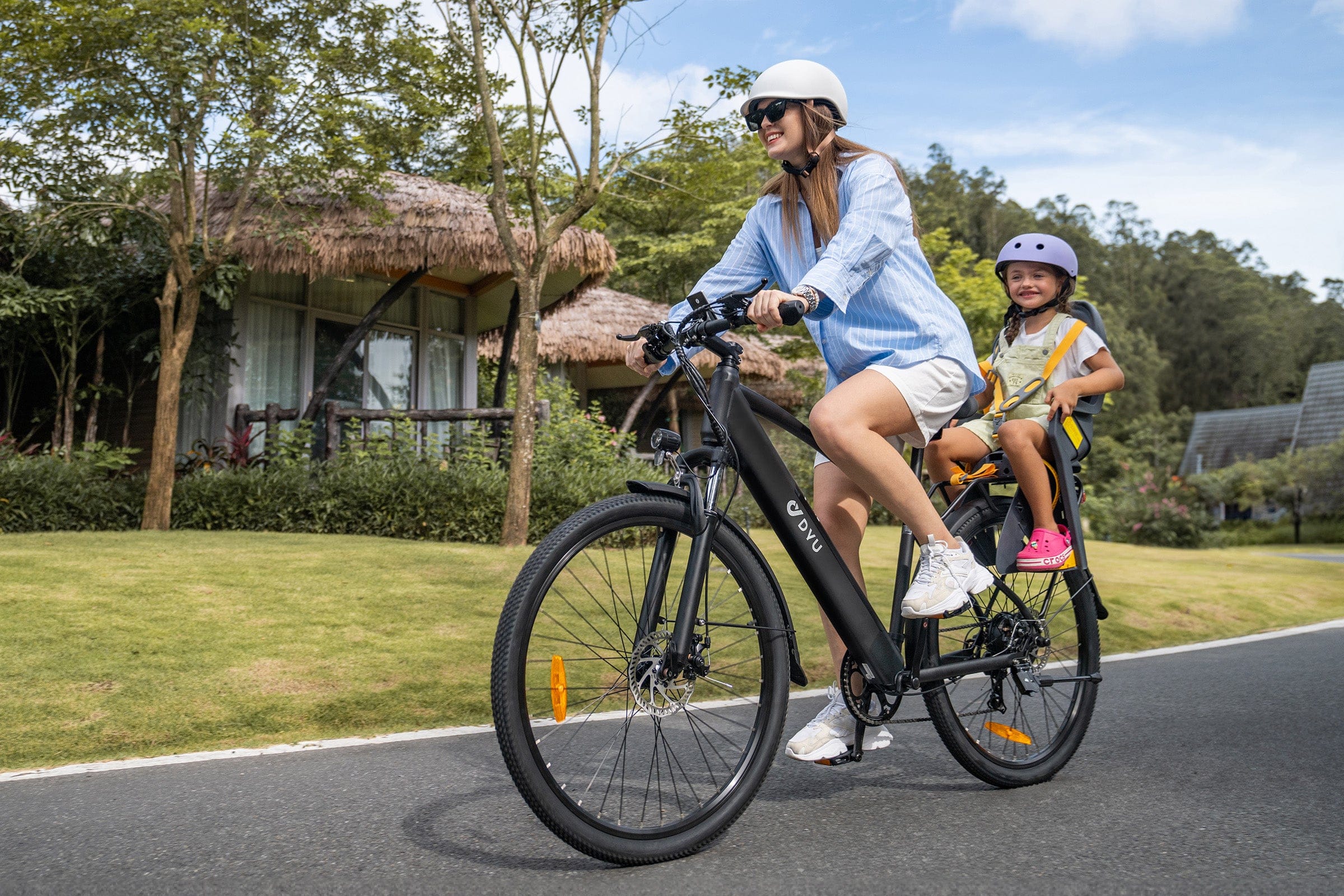
Most riders worry about riding in the rain and forget the after-ride routine. Where will the wet bike go? Can the battery be removed indoors? Is the charger on a hard, dry surface? Will water collect near the charging port?
Battery University’s lithium-ion battery care guide is technical, but the buyer lesson is straightforward: avoid heat, rough handling, and careless charging. In wet weather, I would add a simple routine:
- Dry the bike before indoor storage when possible.
- Keep the charger away from wet floors and soft furniture.
- Do not charge immediately beside dripping rain gear.
- Check the charging port cover before and after wet rides.
- Build range margin because cold, wind, and low tire pressure can reduce distance.
Storage Can Decide Between Folding and Full-Size
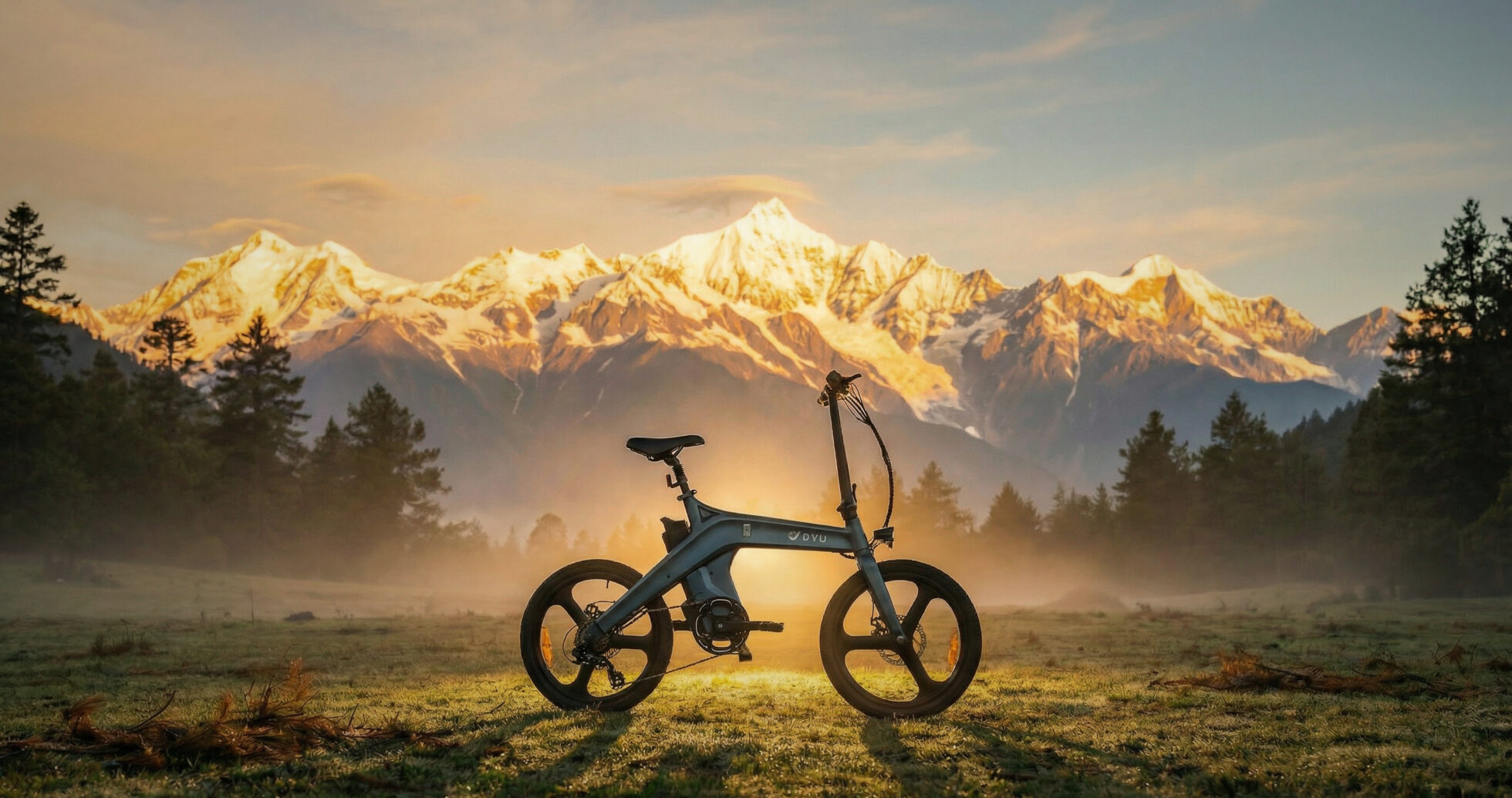
A folding e-bike can be easier to bring indoors after rain. A full-size commuter may feel better on wet streets but needs more storage space. Neither answer is automatically better.
If the building has a lift, dry bike room, or covered ground-floor space, a full-size frame may be easier to live with. If the bike has to share a flat hallway, a folding model can reduce daily friction. Just check the folded weight. Wet tires and a narrow staircase make even a compact bike feel heavier.
BikeRadar’s e-bike maintenance guide is worth bookmarking because rain turns maintenance into a routine. Tire pressure, brake feel, chain care, bolts, lights, and battery contacts all deserve quick checks after repeated wet rides.
What To Check on the Product Page
A rainy commute makes the small details more important. Before ordering, check the product page for:
- Brake type: wet stops need predictable control.
- Tire size: larger or wider tires can feel calmer on broken roads.
- Lighting: built-in lights are useful, but side visibility may still need accessories.
- Battery access: removable batteries can make indoor charging easier.
- Total weight: carrying a wet bike upstairs is harder than moving it in a showroom.
- Rack or cargo options: a wet backpack gets old quickly on longer commutes.
Do Not Forget Rider Gear
A bike cannot solve all rain problems alone. A good rain jacket, gloves, visible outer layer, dry bag, and a lock routine matter. So does the rider’s speed. Wet commutes reward patience more than power.
For many buyers, the smartest spending is not only a better bike. It is a balanced setup: bike, lock, lights, jacket, gloves, pump, and a dry place to charge. If the budget is tight, leave money for those basics before choosing optional accessories.
Build the Wet-Weather Budget Around Ownership
A rainy commute can make a cheap bike expensive if the owner has to fix preventable problems right away. Brake pads wear faster in gritty weather. Tires lose pressure. Chains need cleaning. Lights and reflectors matter more when the ride home is dark and wet.
Before choosing the highest-spec model in the budget, leave room for the ownership items that keep the bike useful:
- A lock that matches where the bike will be parked.
- A pump with a pressure gauge.
- Basic cleaning supplies for wet and gritty rides.
- A bright outer layer or reflective accessory for low light.
- A dry bag or pannier if the rider carries electronics.
- Brake pad and tire replacement access when parts wear out.
Support also matters. If the bike uses unusual tires, a hard-to-find charger, or model-specific parts, wet-weather ownership can become annoying after the first month. A slightly less dramatic model with easier replacement parts may be the better commuter choice.
The practical test is simple: imagine the bike after a wet Friday ride. Where does it dry? Where does the battery charge? How will the rider clean grit from the drivetrain? If those answers are easy, the bike is more likely to stay in regular use.
Current Product Examples for Rainy Commutes
The examples below use current models and prices available at the time of writing. They are not a universal ranking. Read them as different ways to solve a wet commute: full-size stability, folding storage, wide-tire comfort, range margin, and compact practicality.
| Wet-weather need | Product example | Current price | How to read it |
|---|---|---|---|
| Full-size commuter on wet streets | HITWAY BK15 Pro 27.5 Inch Electric Bike, 250W, 60-100km Range | €749.99 | Large wheels and a commuter frame make sense when storage is secure and the route is longer. |
| Folding bike for mixed storage | HITWAY BK6S L1 Folding Electric Bike, 250W, 70-150km Range | €899.99 | A folding format helps when rain rides also include lifts, halls, or train connections. |
| Fat-tire comfort for rough paths | HITWAY BK15 4.0 Fat Tire Electric Bike, 120km Range | €949.99 | Wide tires can feel calmer on broken surfaces, but riders still need sensible speed in rain. |
| Longer range buffer | HITWAY BK15 Plus 29 Inch Electric Bike, 250W, 80-150km Range | €949.99 | A larger listed range gives more margin when cold, wind, and wet roads reduce efficiency. |
| Compact folding option | DYU T1 20in Folding Electric Bike, 250W, Lightweight, 55km Range | €749 | A compact 20-inch folding e-bike can work for riders who need storage more than cargo capacity. |
Do not choose from the table by brand name alone. Start with the route: longer wet streets usually favor a stable full-size frame, mixed storage favors folding designs, rough paths make tire choice more important, and riders carrying work bags should plan cargo before range.
Final Recommendation
E-bike rain riding is about predictable control and repeatable routines. Prioritize brakes, tires, lighting, storage, battery access, and realistic range margin. Then choose the frame style that fits where the bike will actually live.
Full-size commuters usually feel calmer on longer wet routes. Folding e-bikes make more sense when indoor storage is the main problem. Fat-tire options can help on rough paths, but no tire replaces slower braking and better route judgment.
FAQs
Q1. Can you ride an e-bike in the rain?
Many e-bikes can handle normal rain, but riders should check the product guidance, avoid deep water, dry the bike after wet rides, and charge only in a safe dry place.
Q2. What type of e-bike is best for rainy commutes?
The best choice depends on route and storage. Look for predictable brakes, suitable tires, good lights, battery access, and enough range margin for cold or windy days.
Q3. Are disc brakes better for e-bike rain riding?
Disc brakes are often preferred for wet-weather control, but quality, maintenance, tire grip, and rider technique still matter. Always test braking gently after rain starts.
Q4. Should I buy a folding e-bike for wet weather?
A folding e-bike can be a good wet-weather choice if indoor storage is limited. Check folded weight, tire size, brake type, and whether the wet bike has somewhere practical to dry.
Q5. How should I charge an e-bike after riding in rain?
Let the bike and battery area dry, use the correct charger, keep it on a hard dry surface, and avoid charging near wet clothing, puddles, or soft furniture.
