
Electric Bike & Scooter Blog
Electric Scooter vs E-Bike: Commuter Buyer Guide 2026

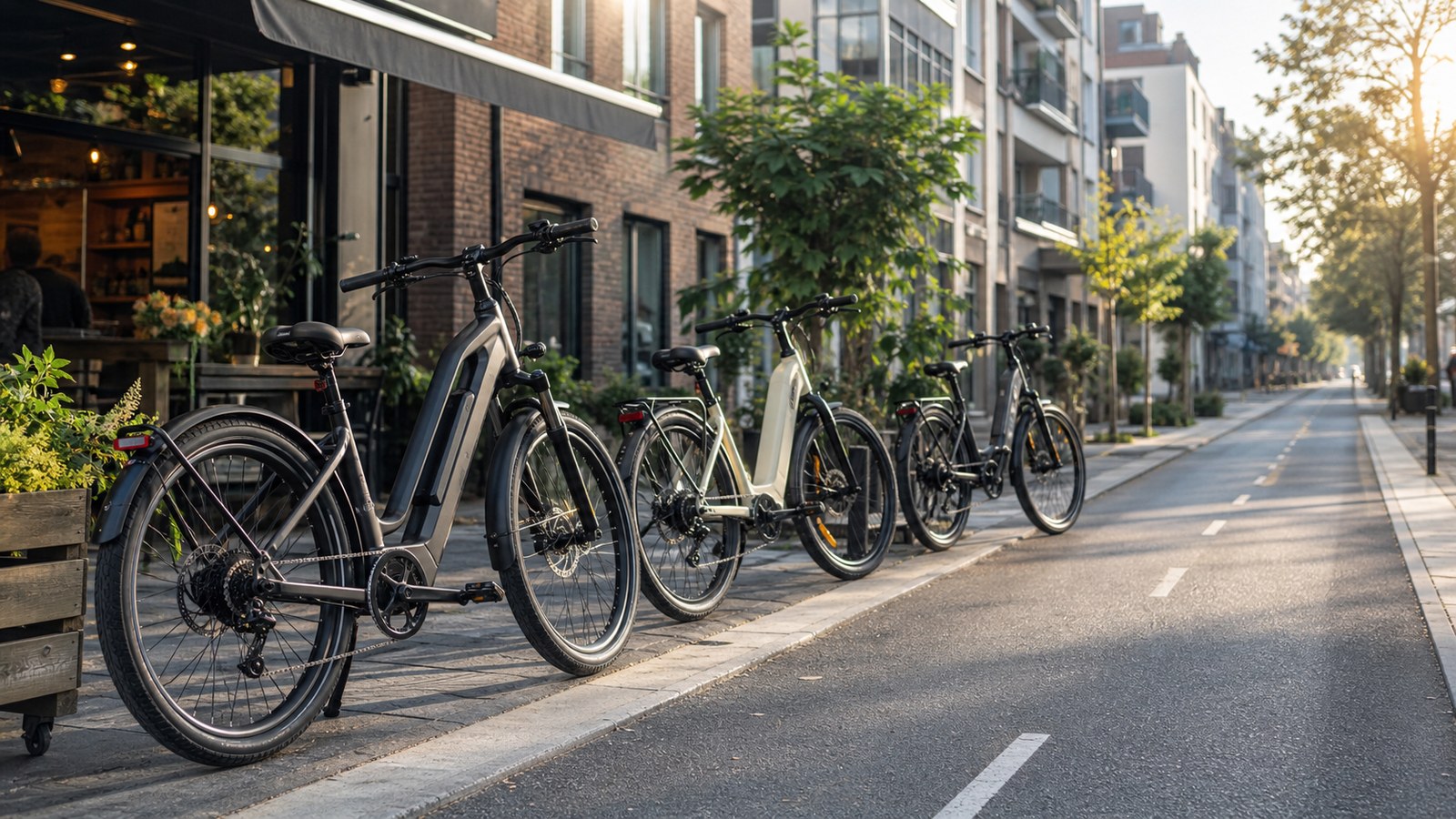
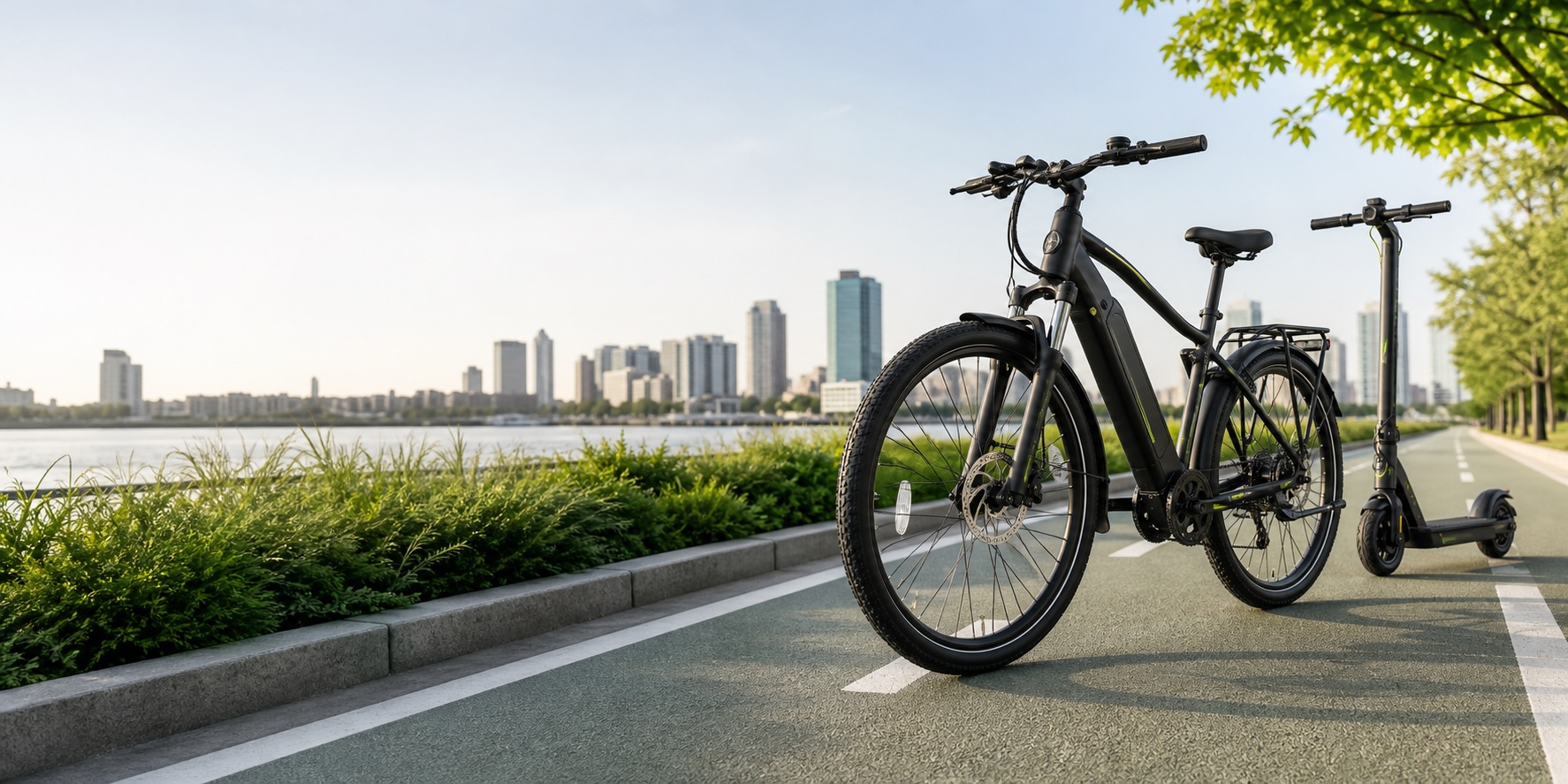
Electric scooter vs e-bike is not a question with one winner. It depends on distance, storage, comfort, local rules, weather, cargo, repair access, and whether you want a vehicle that feels like standing transport or assisted cycling.
For many commuters, the mistake is comparing only price or motor power. The better question is more ordinary: which one will you still use on a cold Tuesday morning when the lift is busy, the road is wet, and you have a bag to carry?
Electric Scooter vs E-Bike: Quick Decision Table
| Commuter need | Usually stronger choice | Why |
|---|---|---|
| Small flat or office corner | Electric scooter | Usually slimmer and easier to stand near a desk |
| Longer mixed-weather commute | E-bike | Seated pedaling, larger wheels, and better range options |
| Carrying groceries or work bags | E-bike | Racks, baskets, panniers, and more stable cargo options |
| Lowest upfront spend | Depends on model | Some scooters are cheaper, but DylanBikes also has low-price e-bikes |
| Rough streets and kerbs | E-bike | Larger wheels usually feel calmer over poor surfaces |
Tom’s Guide’s electric scooter roundup shows how varied scooters have become, from compact commuters to higher-performance models. BikeRadar’s e-bike explainer does the same for electric bikes. The categories overlap, but they do not solve the same problem in the same way.
Choose an Electric Scooter When Storage Is the Problem
An electric scooter can make sense when the commute is short, storage is tight, and the rider does not need to carry much. It is easier to picture a scooter beside a desk, in a small hallway, or near a train seat.
Look for stable brakes, sensible lighting, tires that match your streets, and a folded shape you can actually lift or store. A seat can help some riders, but it does not turn every scooter into a long-distance commuter.
The tradeoff is surface confidence. Small scooter wheels can feel busy on broken paving, wet leaves, tram-track areas, or rough cycle paths. A scooter can be excellent on a smooth short route and annoying on a poor one.
Choose an E-Bike When the Ride Is Longer or Rougher
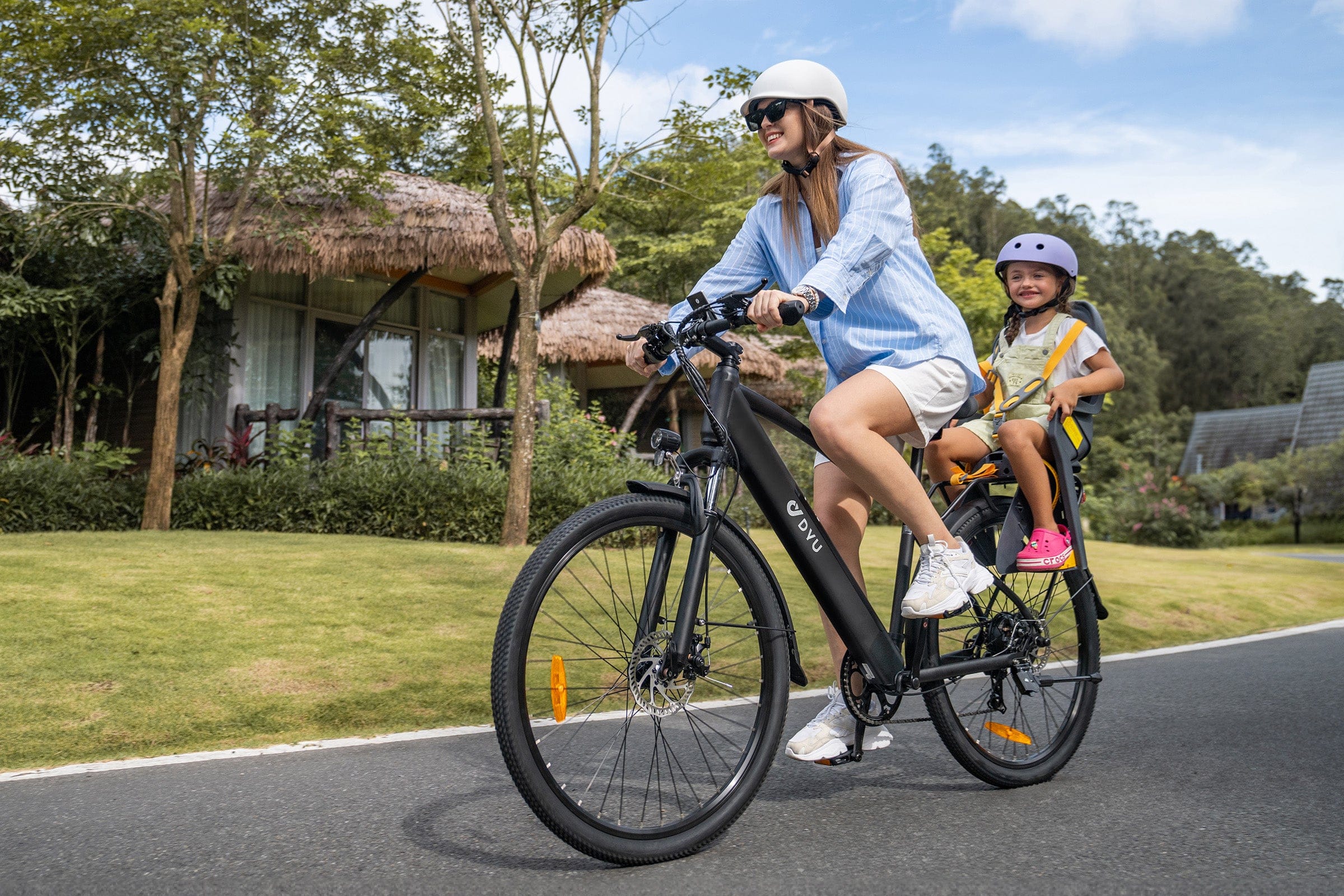
An e-bike usually feels more natural for longer rides because the rider sits, pedals, and uses larger wheels. That matters when the route includes wind, kerbs, cargo, or uneven surfaces. Pedaling also gives you a backup rhythm if battery use is higher than expected.
Tom’s Guide’s budget e-bike guide is useful because it shows that shoppers do not have to jump straight to premium pricing. The important filter is not only cost. Wheel size, frame shape, service access, battery capacity, and storage space all change whether an e-bike becomes easier than a scooter.
The e-bike tradeoff is storage. A folding model helps, but a bike still takes more space than most scooters. If your hallway is narrow, measure first.
Range Claims Need a Reality Check
Both scooters and e-bikes use range numbers that depend on rider weight, speed, weather, hills, tire pressure, and assist or throttle use. A 58 km scooter claim and a 60-100 km e-bike claim do not mean the same thing on every route.
Those figures are useful for shortlisting, but buyers should read them with a margin rather than treating them as guaranteed commute distance. If your round trip is close to the advertised limit, choose a larger buffer or expect more frequent charging.
Battery University explains lithium-ion battery care in more technical detail. For shoppers, the practical lesson is simple: buy enough range for your difficult day, then charge and store the battery sensibly.
Comfort: Standing vs Sitting
Standing on a scooter can feel quick and flexible, especially for short trips. It also asks more from your feet, knees, and attention when the road is rough. Sitting on an e-bike spreads the work differently and usually feels calmer over distance.
If the ride is under 3 km and mostly smooth, a scooter can be the more convenient answer. If the ride is 8-15 km, includes rain, or requires carrying a bag, an e-bike often becomes easier to live with.
Do not ignore brakes and tires. A cheap vehicle with weak braking is not cheap if it makes every wet corner stressful. Compare brake type, tire size, lighting, and the route surface before comparing only watts.
Cargo, Locks, and Everyday Ownership
E-bikes usually win the cargo question. Racks, baskets, panniers, child seats, and better lock positions give them more flexibility. Scooters can carry a backpack, but they are rarely as good for groceries, work bags, or school runs.
Scooters can win the lock-and-store routine. Many riders bring them inside rather than locking outdoors. That reduces theft anxiety but moves the problem indoors: wet tires, hallway space, charging location, and whether the building allows it.
For shared buildings, ask three boring questions before buying: where will it stand, where will it charge, and who will complain if it blocks the hall?
Service Access Can Decide the Better Choice
Ownership does not end after checkout. Tires wear, brake pads need attention, chargers get misplaced, and wet rides create cleaning chores. E-bikes usually have more familiar service points because many parts overlap with normal bicycles. Scooters can be simple to store, but some repairs depend more heavily on model-specific parts.
That should not scare shoppers away from scooters. It should make them practical. Before buying, check whether replacement tires, brake parts, chargers, and support information are easy to find. A commuter vehicle saves time only if it does not become difficult to maintain after the first month.
Current DylanBikes Examples for Shortlisting
The examples below use current DylanBikes product pages and prices. This is not a ranked list. It appears after the buying criteria because the model choice should follow the route, storage, comfort, and maintenance decision.
| Use case | Type | Catalog example | Current price | How to read it |
|---|---|---|---|---|
| Lowest purchase price | Electric scooter | KuKirin M4 Max Comfort Electric Scooter, 800W, 64km Range | €469.00 | Good for compact storage and short solo trips. |
| Comfort with a seat | Electric scooter | KuKirin G2 Pro Seated Commuter Electric Scooter, 600W | €499.00 | Detachable seat and commuter-focused setup. |
| Longer scooter range | Electric scooter | KuKirin T3 Everyday Electric Scooter, 800W, 58km Range | €619.00 | 58 km listed range for riders who prefer standing mobility. |
| Traditional city ride | E-bike | HITWAY BK15 Pro 27.5 Inch Electric Bike, 250W, 60-100km Range | €749.99 | 27.5-inch wheels and 60-100 km listed range. |
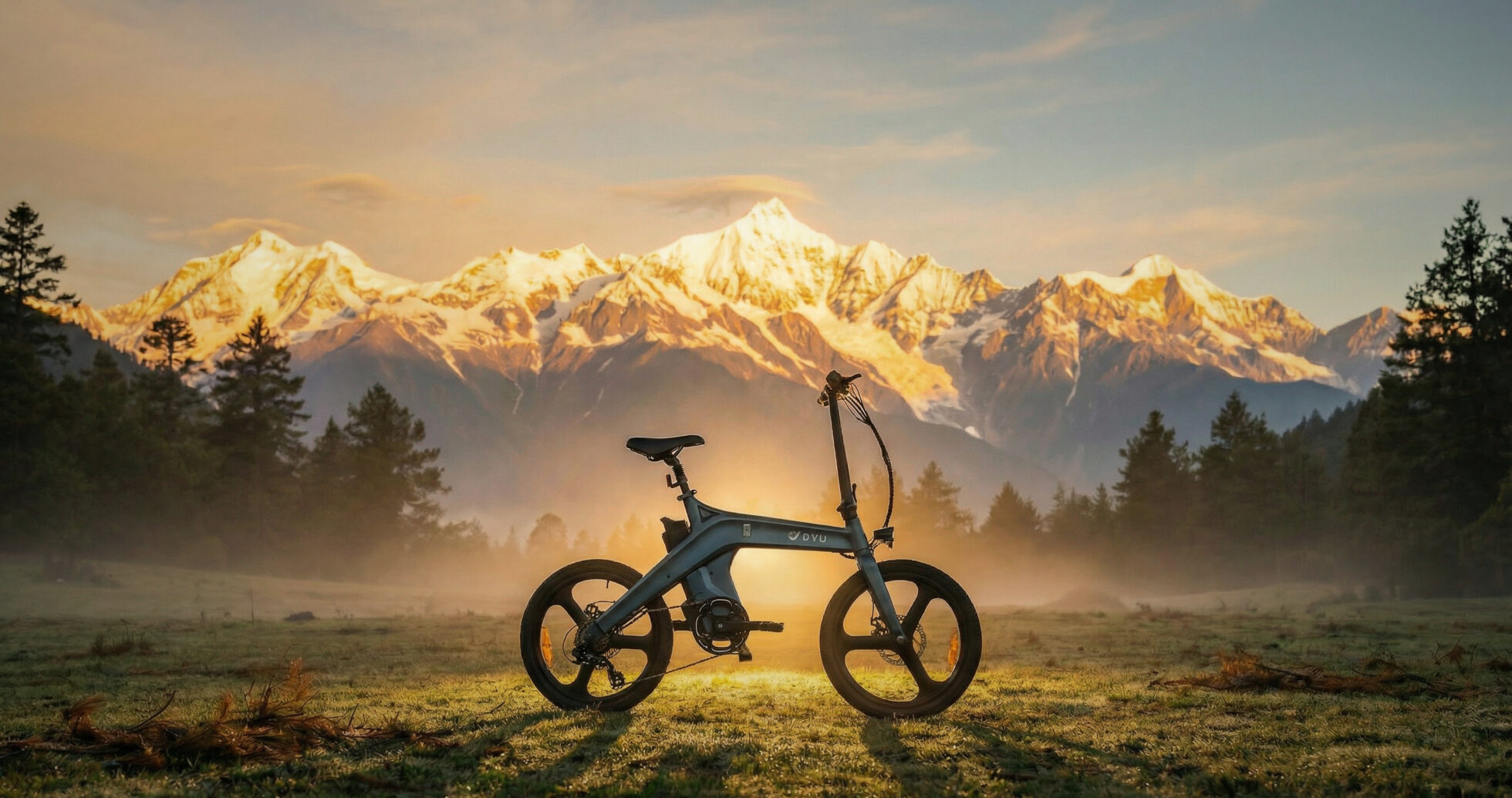
| Apartment-friendly e-bike | E-bike | DYU T1 20in Folding Electric Bike, 250W, Lightweight, 55km Range | €749 | Folding 20-inch setup with 55 km listed range. |
| Longer e-bike buffer | E-bike | HITWAY BK15 Plus 29 Inch Electric Bike, 250W, 80-150km Range | €949.99 | 29-inch format with 80-150 km listed range. |
Only one DYU catalog example appears in the table, and it links to DylanBikes rather than any brand-owned store. That keeps the comparison useful for shoppers instead of turning it into a brand pitch.
When a Scooter Is the Better Buy
- Your normal ride is short and mostly smooth.
- You need the smallest possible storage footprint.
- You rarely carry more than a backpack.
- You can bring the scooter indoors at work or home.
- You are comfortable checking local rules for scooter use.
When an E-Bike Is the Better Buy
- Your commute is longer, rougher, or more exposed to weather.
- You want seated comfort and pedal backup.
- You carry groceries, work gear, or a heavier bag.
- You prefer larger wheels and a more bicycle-like ride.
- You have enough storage space for the frame and charger.
Final Recommendation
Electric scooter vs e-bike comes down to the friction you can live with. Scooters usually win for tiny storage and short, smooth trips. E-bikes usually win for comfort, cargo, mixed weather, rougher streets, and longer commutes.
If you are still unsure, measure the route and storage space first. Then choose from the product type that solves those two problems. A good commuter vehicle is not the most dramatic one. It is the one you keep using without inventing excuses.
FAQs
Q1. Is an electric scooter or e-bike better for commuting?
An electric scooter is often better for short, smooth trips and tight storage. An e-bike is usually better for longer rides, cargo, rough streets, and seated comfort.
Q2. Are e-bikes safer than electric scooters?
Safety depends on route, rider behavior, brakes, tires, visibility, and local rules. E-bikes often feel more stable on rough surfaces because they use larger wheels.
Q3. Which is cheaper, an e-bike or electric scooter?
It depends on the model. DylanBikes lists both low-price e-bikes and scooters, so compare the exact product, warranty, range, brakes, and storage needs before deciding.
Q4. Can an electric scooter replace an e-bike?
Yes, for short solo commutes with little cargo and good surfaces. For longer routes, poor weather, or shopping trips, an e-bike is often easier to use every week.
Q5. What should I check before buying a commuter e-bike or scooter?
Check range, weight, folded or parked size, brakes, tire size, lighting, charging location, local rules, and whether the route has rough surfaces or steep climbs.


