
Electric Bike & Scooter Blog
Torque Sensor vs Cadence Sensor E-Bikes: Buyer Guide

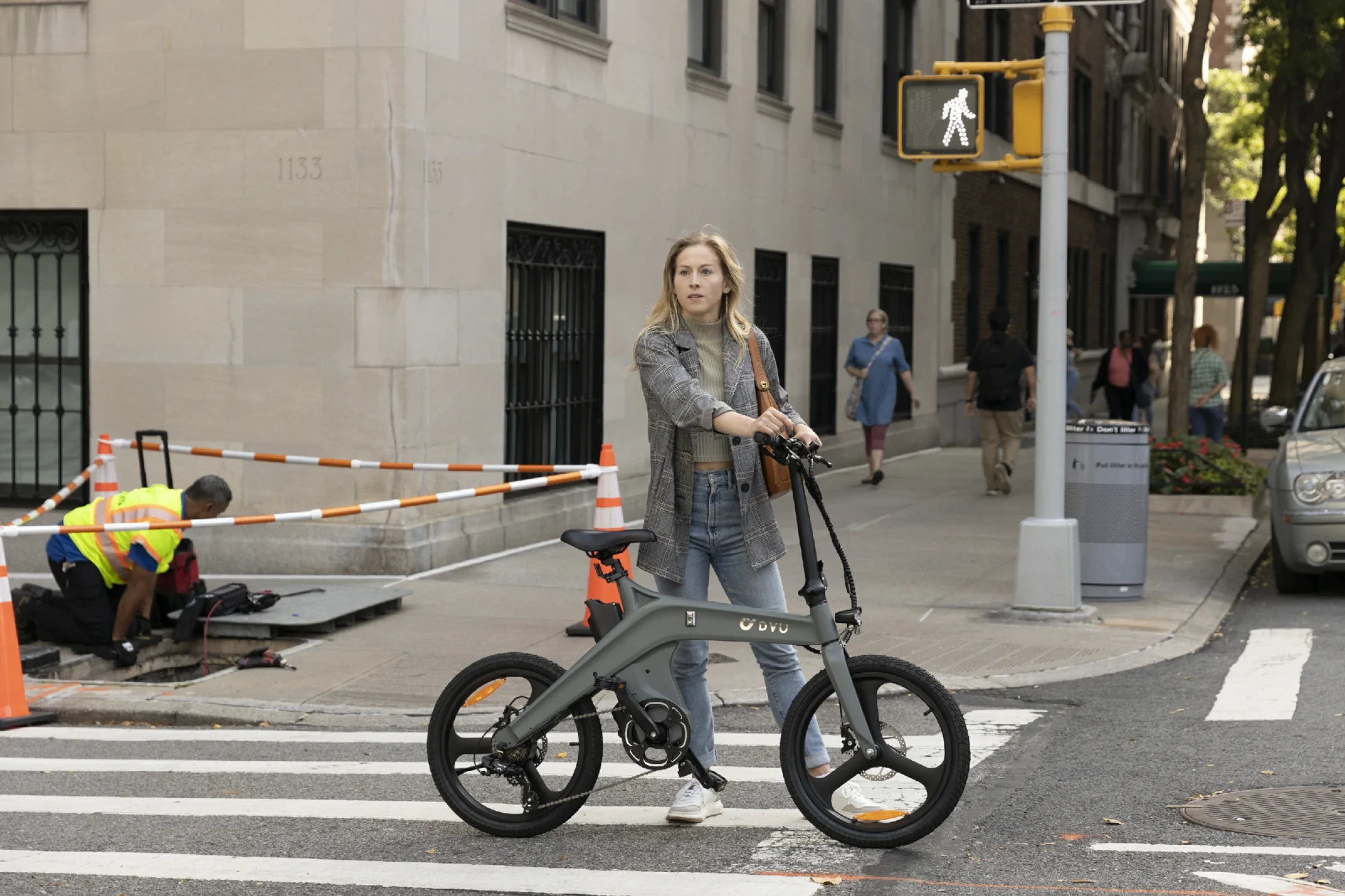
Torque sensor vs cadence sensor e-bikes can feel surprisingly different even when their motor wattage and battery size look similar. The sensor is the part that tells the controller how you are pedalling, so it shapes when assistance begins and how strongly it responds.
Neither system is automatically right for every rider. A torque sensor often feels natural and proportional. A cadence sensor can deliver easier, more predictable support with less emphasis on pedal force. The better choice depends on your fitness, route, budget, and preferred ride feel.
Torque Sensor vs Cadence Sensor: The Quick Difference

A cadence sensor detects crank rotation. In simple systems, the controller knows that the pedals are moving and supplies the assistance linked to the selected level. How hard the rider pushes may not change motor output within that level.
A torque sensor measures force at the pedals or drivetrain. The controller can then increase or reduce motor support as pedal pressure changes. Push harder on a hill and the assistance rises; ease off near a corner and it can soften.
Bosch eBike Systems explains cadence as crank revolutions per minute and describes its relationship with pedal torque. Modern drive systems may combine both signals with speed and motion data.
| Buying Question | Torque Sensor | Cadence Sensor |
|---|---|---|
| What does it mainly detect? | How hard the rider pedals | Whether or how fast the cranks turn |
| Typical ride feel | Proportional and bicycle-like | Preset and motor-led |
| Starts | Often responds quickly to pressure | May need part of a crank rotation |
| Best fit | Active riders, varied terrain, fine control | Easy cruising, steady assistance, value-focused bikes |
| Main tradeoff | Rider still needs to apply meaningful effort | Power delivery can feel less natural or more abrupt |
How a Torque Sensor Changes the Ride

Torque sensing is often described as “amplifying your legs.” That phrase is useful because assistance follows effort rather than merely following crank movement. The sensation can be smooth on starts, corners, and rolling hills when the controller is tuned well.
The word tuned matters. Sensor type is only one part of the system. Controller programming, motor position, gear choice, assist levels, battery voltage, bike weight, and software all affect the result. A poorly tuned torque-sensor bike is not guaranteed to feel better than a well-tuned cadence-sensor bike.
Torque sensing tends to suit riders who want:
- assistance that rises with pedal pressure;
- fine control on crowded paths or loose surfaces;
- a more familiar bicycle feel;
- active pedalling for fitness or efficiency;
- predictable response when terrain changes frequently.
The tradeoff is simple: the rider remains part of the power equation. Someone returning after injury, managing fatigue, or wanting the motor to do more of the work may prefer a cadence system or a bike with a carefully configured throttle where that equipment is legal.
BikeRadar’s overview of a modern Bosch drive shows how cadence and torque data can be combined with additional motion signals. Sensor type matters, but the complete control system creates the final ride feel.
How a Cadence Sensor Changes the Ride

A cadence sensor usually waits for crank movement, then asks the controller for the output associated with the selected assist level. That can make the bike feel more motor-led, especially when each assist level corresponds to a strong target output.
For some riders, that is the benefit. They can keep the pedals turning with modest force while the motor maintains useful support. This can work well on flat commutes, relaxed leisure rides, or days when heavy pedal effort is not desirable.
A cadence system may suit buyers who prioritise:
- straightforward, easy-to-understand assistance;
- lower purchase cost;
- steady cruising on flatter routes;
- reduced dependence on strong pedal pressure;
- simple replacement and service options.
Possible drawbacks include a delay before assistance begins and a surge when it does. A good test ride should include a standing start, a slow turn, a hill, a crowded-path simulation, and several stops. Those situations reveal the controller’s behaviour much better than a short straight-line sprint.
The comparison is not always binary. A few systems allow riders to switch modes. Cycling Weekly’s review of a switchable system shows how the two sensor styles can produce distinct assistance behaviour on the same bike.
Sensor Type Is Not the Same as Motor Type

Do not assume every hub motor uses cadence sensing or every mid-drive uses torque sensing. Those combinations are common, but they are not rules. Hub-drive bikes can have torque sensors, and manufacturers may combine torque, cadence, speed, and motion data in one control system.
Motor torque in newton metres is also different from a torque sensor. A product can advertise high motor torque without explaining how pedal effort is detected. One number describes turning force from the drive; the other describes the input signal used to control assistance.
BikeRadar’s review of a compact single-sensor implementation is a useful reminder that manufacturers can measure and combine rider inputs in different ways. The lesson for buyers is to read beyond the motor headline.
Battery efficiency is another area where simple claims can mislead. A proportional system may reduce unnecessary output when the rider pedals lightly, but range still depends on terrain, total mass, wind, temperature, tyre pressure, assist level, and riding speed. Sensor type alone cannot predict a real journey.
Three Current Listings and What They Disclose
Product pages reveal how clearly a seller explains the assistance system. These three current listings are useful examples, not a ranking.
| Model | Current Price | Sensor Information | Buyer Follow-Up |
|---|---|---|---|
| HITWAY BK18 Pro | €1,149.99 | Torque sensor is listed | Ask about assist-level tuning and test low-speed response |
| HITWAY BK19 Pro | €1,149.99 | Torque sensor is listed | Confirm how belt drive and assistance feel on hills |
| HITWAY BK32 | €1,249.99 | Mid-drive and motor torque are listed; sensor type should be confirmed | Do not infer the pedal sensor from motor position alone |
The HITWAY BK18 Pro and HITWAY BK19 Pro both identify a torque sensor and a listed 40-80 km range in their current catalog information. That is helpful, but it still does not tell you everything about response speed, assist mapping, or real-world range.
The HITWAY BK32 lists an Ananda mid-drive, an 80 Nm motor figure, a 374.4 Wh battery, and a step-through frame. If sensor type is important to your purchase, confirm it directly instead of assuming that “mid-drive” automatically means “torque sensor.”
This is the wider buying lesson: a clear specification is valuable, and a missing specification is a question to ask. Browse the current e-bike catalog, note which pages state sensor type, and request confirmation before ordering when the information is absent.
Five Test-Ride Questions That Expose the Difference
- How soon does assistance begin? Start in a low gear on level ground and notice whether support arrives with pressure or after crank movement.
- What happens in a slow turn? Use light pedal input and check whether power remains controlled rather than surging.
- How does the bike react on a hill? Increase pedal pressure gradually and notice whether motor support changes proportionally.
- Can you soften power without touching the controls? Ease your pedal force while keeping the cranks moving.
- Do the assist levels feel meaningfully different? Repeat the same short section in each level instead of judging from the display number.
Test in the conditions you actually expect to ride. A five-minute car-park loop may hide the behaviour that matters on a steep street, narrow cycle path, loaded school run, or long flat commute.
Which Sensor Should You Choose?
Choose a torque-sensor e-bike if you enjoy pedalling, want proportional assistance, ride varied terrain, or value fine low-speed control. Accept that you will still contribute meaningful effort.
Choose a cadence-sensor e-bike if you prefer simple, steady support, ride mostly flatter routes, need the motor to contribute with lighter pedal pressure, or are working within a tighter budget. Pay particular attention to start-up delay and controller smoothness.
When either system is well tuned, the bike can be enjoyable and practical. The smartest purchase is the one whose assistance behaviour matches your body and route, not the one with the more fashionable sensor label.
FAQs
Q1. Is a torque sensor better than a cadence sensor on an e-bike?
Not for every rider. Torque sensors usually feel more proportional and natural, while cadence sensors can provide easier, steadier support with less dependence on pedal force.
Q2. How can I tell if an e-bike has a torque sensor?
Check the detailed product specifications and manufacturer documentation. Do not infer sensor type from motor wattage or motor position; ask the seller to confirm when it is not stated.
Q3. Does a torque sensor increase e-bike range?
It can encourage efficient, proportional assistance, but it does not guarantee longer range. Battery size, route, speed, rider effort, weather, tyre pressure, and total load remain major factors.
Q4. Are cadence-sensor e-bikes good for commuting?
Yes, especially on flatter routes where riders want straightforward support. Test starts, slow turns, and stop-and-go sections to make sure the engagement delay and power delivery feel comfortable.
Q5. Can an e-bike use both torque and cadence sensors?
Yes. Some drive systems combine multiple sensors, and a small number of bikes allow selectable response modes. Read the exact specification because the way those signals are used depends on the controller and software.


