
Electric Bike & Scooter Blog
E-Bike Mudguard Guide: Coverage, Fit and Safety

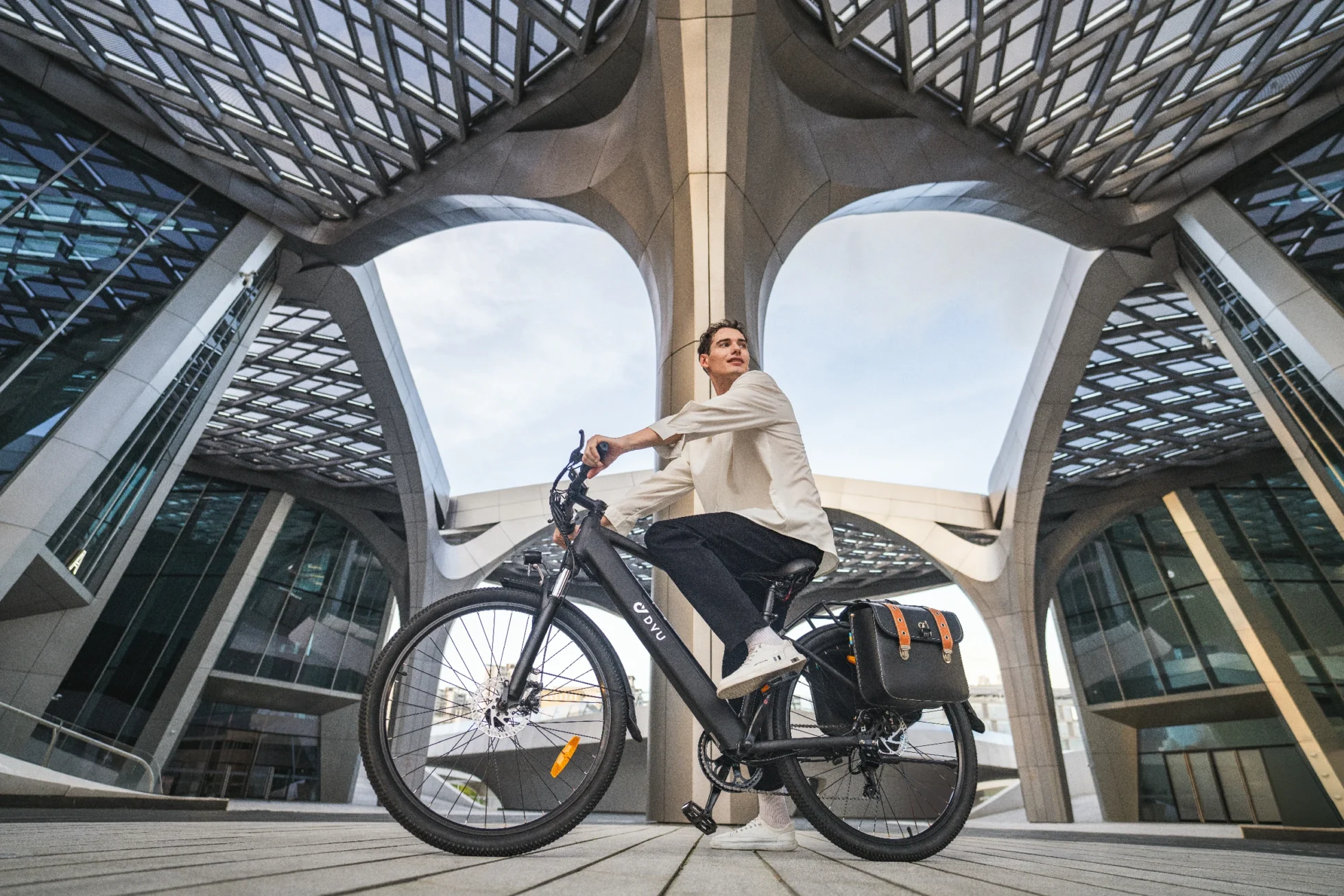
An e-bike mudguard guide should answer more than “will it stop a wet stripe up my back?” Electric bikes add wider tyres, cables, lights, batteries and extra weight to the fitting problem. A guard has to cover the spray, clear the tyre and remain quiet on rough streets.
The best choice depends on mounts, tyre width, wheel size and where the bike is ridden. Full-length guards suit regular wet commuting. Clip-on options can solve missing mounts or seasonal use. Neither works well if the fit is rushed.
What E-Bike Mudguards Actually Protect
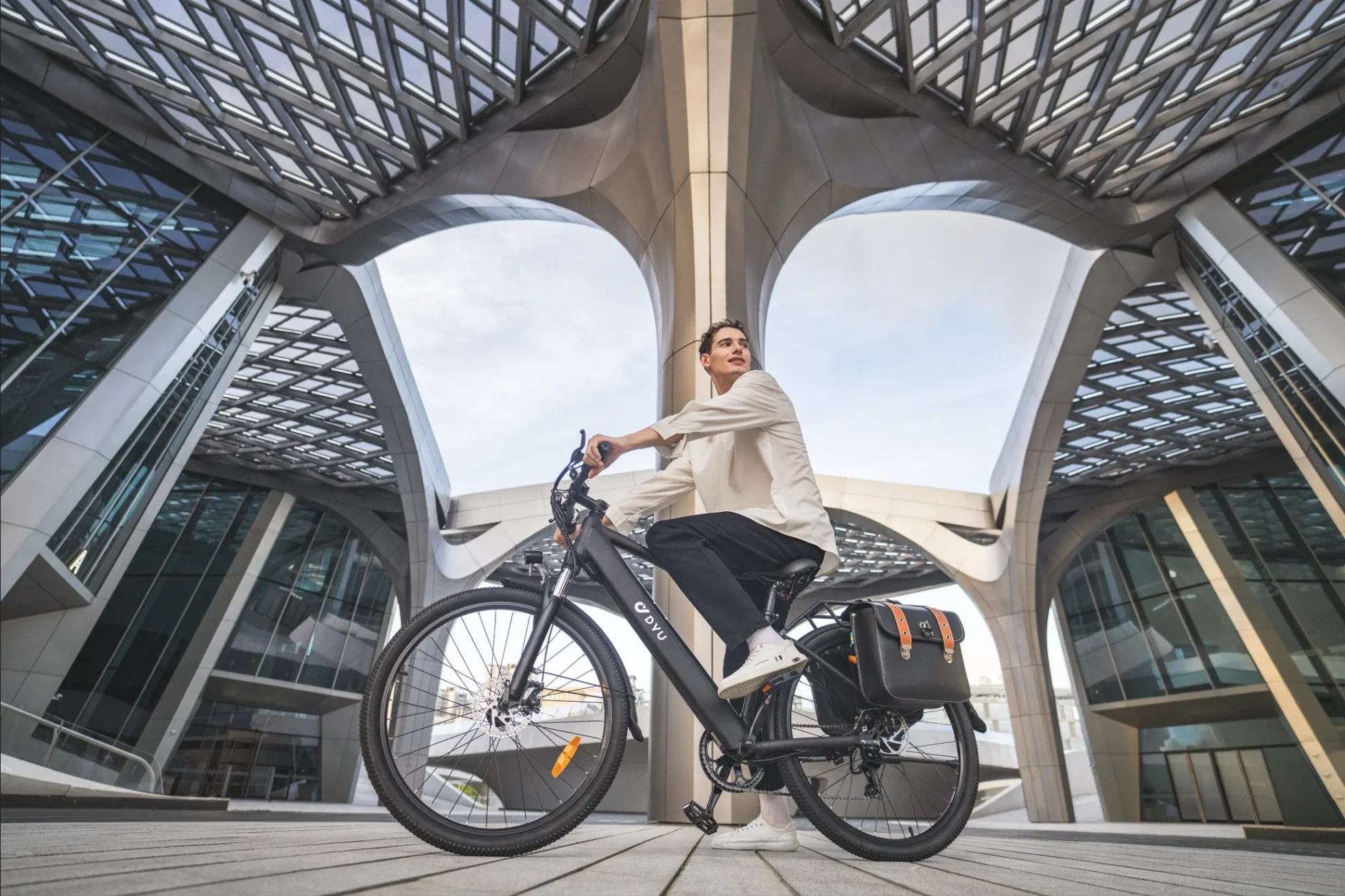
Rear-wheel spray lands on the rider’s back, saddle area and luggage. Front-wheel spray reaches shoes, the lower frame and drivetrain. Longer coverage can also reduce the dirty water thrown toward a rider behind.
BikeRadar’s mudguard and fender buyer guide explains that full-length designs provide the greatest coverage, while clip-on systems help bikes without conventional eyelets. The trade-off is usually convenience against stability and protection.
- Rider comfort: less spray on clothing, feet and face.
- Bike cleanliness: less grit around the frame, chain and controls.
- Luggage protection: cleaner panniers, racks and child-seat areas.
- Group manners: a long rear guard and flap can reduce spray behind.
Mudguards do not make an e-bike weatherproof. Electrical connectors, brakes, tyres and bearings still need inspection and care after wet rides.
| Mudguard type | Best use | Main advantage | Main compromise |
|---|---|---|---|
| Fixed full-length | Daily wet-weather commuting | Maximum rider and bike coverage | Needs mounts, clearance and careful setup |
| Full-cover clip-on | Bikes without eyelets | Useful coverage without permanent mounts | More straps and possible movement |
| Short clip-on | Occasional showers or light trail spray | Fast installation and removal | Limited lower-bike and foot protection |
| Model-specific integrated | Compatible city and trekking bikes | Clean fit around the frame and lights | Replacement options may be less flexible |
Check Wheel Size, Tyre Width and Clearance

Wheel diameter is only the first number. A guard also needs enough internal width for the tyre and enough space for mud, small debris and wheel movement. A label saying “26-inch” or “700C” does not prove compatibility.
Cycling UK’s mudguard sizing advice recommends a guard wider than the tyre and warns that insufficient clearance can allow a tyre to catch the guard. Follow the mudguard and bicycle manufacturer’s specific limits rather than treating a general rule as permission.
Measure before buying
- Read the complete tyre size from the sidewall.
- Identify the wheel diameter and measured tyre width.
- Check frame and fork clearance at the tightest points.
- Find the eyelets, bridge, crown and rack mounts.
- Note disc-brake hoses, motor cables, lights and sensors near the route of the stays.
Fat tyres and aggressive tread need extra thought. The guard must not become a narrow tunnel that traps stones or packed mud. When clearance is marginal, a shorter purpose-built guard may be safer than forcing a full-length set.
Mounts Decide More Than Appearance
Conventional guards use eyelets near the axles, plus mounting points at the fork crown and rear bridges. Some e-bikes omit one or more of these points. Others use the same area for a rack, light cable or brake hose.
Adapters, clamps and straps can solve certain gaps, but they need frame-compatible hardware and secure routing. Carbon frames and unusual forks require extra caution. Do not clamp a frame tube simply because a generic bracket fits around it.
Cycling UK’s mudguard safety guide highlights the danger of a front guard folding or jamming after catching an object. Suitable breakaway or stay-release features are a serious part of the buying decision, not a decorative extra.
Compatibility questions for the seller or workshop
- Is the set approved for this wheel and tyre size?
- Are the stays compatible with the axle and disc brakes?
- Does the front guard include a suitable release system?
- Will the guard clear the light, rack, battery and wiring?
- Can replacement stays, flaps and fittings be bought later?
Full-Length or Clip-On: Choose by Use
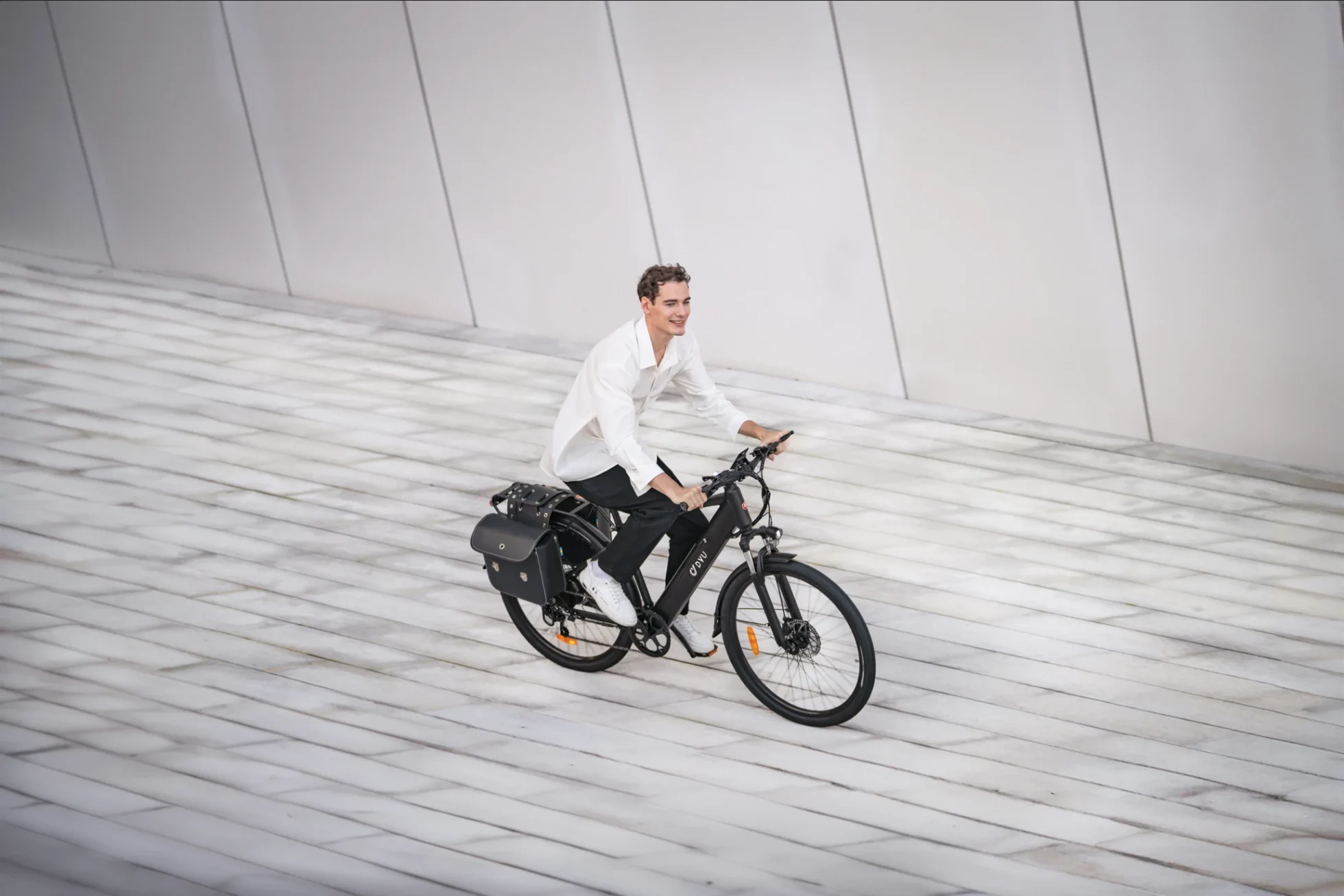
For a five-day commute through a wet winter, full-length coverage is usually worth the fitting time. It protects more of the rider and bike, stays aligned when installed well, and can carry a useful rear flap.
Clip-on guards make sense when the bike lacks mounts, is used in mixed seasons, or needs to be folded and stored frequently. The best designs still need regular alignment checks. A quick-release product is not maintenance-free.
Cycling UK’s rain-riding guide recommends front and rear guards for wet conditions and notes that alternative mounting systems exist for bikes without traditional fittings.
Think about transport too. A long rear guard may catch when the bike is lifted into a car or rolled onto a train. A folding e-bike needs clearance through the complete folding sequence, not only while open.
Use frequency as the tie-breaker. A rider covering 10 km each weekday in mixed weather usually benefits more from stable full coverage than someone who rides only on dry weekends.
Fit for Quiet Running and Safe Release
A well-fitted guard follows the wheel evenly without touching the tyre. Rubbing at one point suggests poor centring, a bent stay, loose wheel or insufficient clearance. Rattle on rough streets often comes from loose bolts, long unsupported sections or a flap striking the tyre.
- Support the bike securely and switch the electrical system off.
- Confirm the wheel is seated and true before aligning the guard.
- Use the correct fittings and torque guidance.
- Route stays away from the brake rotor, hose, motor cable and spokes.
- Spin the wheel and inspect clearance through a complete rotation.
- Compress the suspension if applicable and recheck moving clearance.
- Test at walking pace, then stop and inspect every fixing.
If installation requires bending metal around electrical cables or improvising a release feature, use a qualified shop. The mudguard should not trade wet-weather comfort for a wheel-jam risk.
Three Current Formats That Show the Fit Questions

Current product pages illustrate why shoppers need to inspect the complete bicycle rather than buying by wheel diameter alone.
- The HITWAY BK15 Plus 29 Inch Electric Bike, currently €949.99, uses a large 29-inch wheel format. A buyer should verify guard width, crown and bridge clearance, and mounting points for the exact tyre fitted.
- The HITWAY BK18 Pro Belt Drive Electric Bike, currently €1,149.99, puts low-maintenance belt-drive appeal into an urban format. Mudguard coverage can support the same clean-commute goal, but frame clearance and integrated fittings still need confirmation.
- The HITWAY BK6S L1 Folding Electric Bike, currently €899.99, adds a folding sequence to the compatibility check. Guards must remain clear while riding and avoid interference while folding, carrying and storing.
These are not interchangeable recommendations. They show three different fit questions: large-wheel clearance, commuter integration and folding movement. Use the exact product measurements and compatible-accessory information before ordering.
The e-bike maintenance schedule helps place mudguard checks alongside tyres, brakes and fasteners. For a new bike, the delivery and first-ride checklist is a sensible time to record mounts and clearances.
Maintenance After Wet and Dirty Rides
Road grit collects inside full guards where it is difficult to see. Dried mud can narrow clearance, while a trapped twig can mark the tyre or pull the guard out of line. Cleaning does not need to be complicated.
- Rinse gently rather than aiming high pressure at bearings or electrical seals.
- Remove packed debris from inside the guard.
- Check stays, bolts, clips and flaps for movement or cracks.
- Spin both wheels and listen for intermittent rubbing.
- Dry electrical contacts according to the bicycle manufacturer’s advice.
Recheck after transporting the bike. Mudguards are easy to bump against a car boot, rack or wall, and a small bend can create a persistent rub on the next ride.
Bottom Line
Choose e-bike mudguards by complete compatibility: wheel and tyre size, actual clearance, mounts, brake and cable routing, folding movement, and safe-release design. Full-length guards offer the most protection for daily wet riding. Clip-on options solve different frame and seasonal needs.
Measure first, fit carefully and inspect after the initial ride. A good guard should make the commute cleaner without becoming something the rider has to hear, avoid or worry about.
FAQs
Q1. Do e-bikes need special mudguards?
Not always, but the guards must match the bike’s wheel size, tyre width, clearance, mounts and cable routing. Wider tyres, folding frames and integrated lights can require model-specific solutions.
Q2. How wide should a mudguard be for an e-bike tyre?
The guard should be wider than the fitted tyre with safe running clearance. Follow the guard maker’s approved tyre range and the bike manufacturer’s limits rather than relying on a single general formula.
Q3. Are full-length mudguards better than clip-on guards?
Full-length guards usually provide better coverage and stability for frequent wet commuting. Clip-ons are useful when mounts are missing, removal is frequent or only partial coverage is needed.
Q4. Why does my e-bike mudguard rub the tyre?
Possible causes include poor alignment, loose fittings, a wheel that is not seated correctly, a bent stay, debris or inadequate clearance. Stop riding and correct the cause before the guard can catch.
Q5. Can mudguards interfere with a folding e-bike?
Yes. Long guards or stays may contact the frame, wheel or floor during folding and transport. Test the full folding sequence with the approved accessory before regular use.
