
Electric Bike & Scooter Blog
E-Bike Range Claims Explained: Buyer Guide for 2026

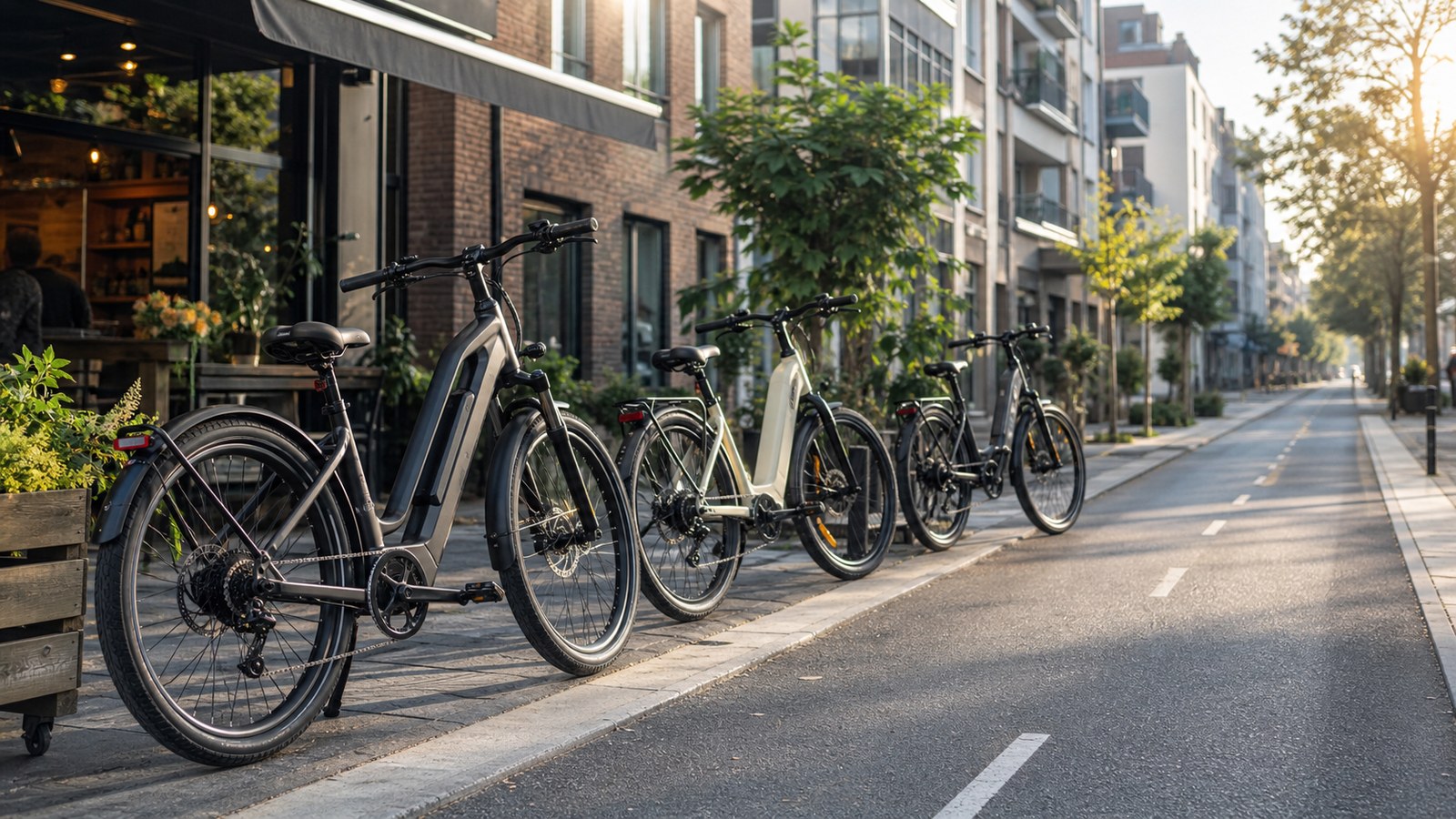
E-bike range claims can be useful, but they are not promises about your exact commute. A product page may say 40 km, 55 km, 100 km, or 150 km. Your real number depends on assist level, speed, hills, rider weight, wind, temperature, tire pressure, cargo, and how often you stop.
This buyer guide explains how to read those numbers before checkout. The goal is not to chase the biggest figure. It is to buy enough range for the hard day, not only the easiest ride.
E-Bike Range Claims Explained in Plain English
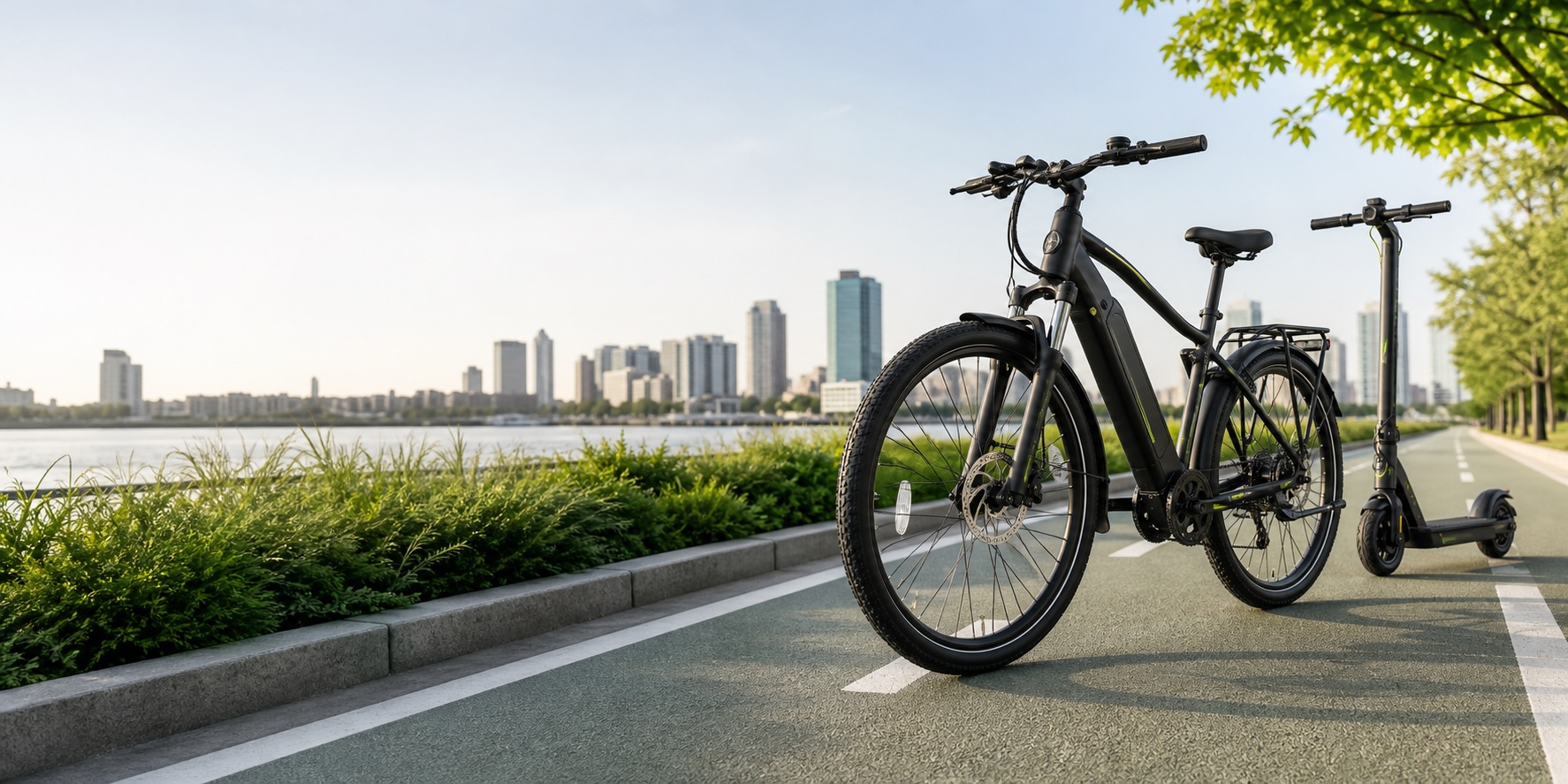
BikeRadar’s e-bike buyer guide gives the broad foundation: motor, battery, riding style, and bike type all work together. Range sits inside that whole system. A large battery helps, but it cannot erase a heavy load, soft tires, strong headwind, or constant high-assist riding.
| What changes range? | Why it matters | Buyer habit |
|---|---|---|
| Assist level | Higher assist draws more energy per kilometer | Buy enough battery for the mode you will actually use |
| Route profile | Hills and repeated starts use more power | Add margin for bridges, slopes, and traffic lights |
| Rider and cargo weight | More weight affects starts and climbs | Consider bags, child seats, groceries, and work gear |
| Weather | Cold, heat, and wind can change the ride | Plan for the worst normal day in your season |
| Maintenance | Soft tires and brake rub waste energy | Check pressure and brake feel regularly |
Current Catalog Examples: How Listed Range Changes the Use Case
The table below uses current DylanBikes product links and prices. It is not a ranking. It shows how a listed range should change your expectations before buying.
| Use case | Product example | Current price | Listed range | How to read it |
|---|---|---|---|---|
| Short urban hops | DYU C2 16in Folding Electric Bike, 250W, 40km Range | €559 | 40 km | Compact folding format for short trips and tight storage. |
| Apartment commuter | DYU T1 20in Folding Electric Bike, 250W, Lightweight, 55km Range | €749 | 55 km | Folding city setup with enough margin for normal daily rides. |
| Long folding range | HITWAY BK6S L1 Folding Electric Bike, 250W, 70-150km Range | €899.99 | 70-150 km | Large listed range for riders who want more battery buffer. |
| Full-size commute | HITWAY BK15 Pro 27.5 Inch Electric Bike, 250W, 60-100km Range | €749.99 | 60-100 km | Bigger-wheel commuter format with a higher listed range band. |
| Budget folder | DylanBikes Select 560W Folding Electric Bike, 32-Mile Range | €252.27 | about 51 km | Low-price folding option with a listed 32-mile range. |
| Value compact folder | UPlee GS5 740W Folding Electric Bike, 35-Mile Range | €311.79 | about 56 km | Low-price folding option with a listed 35-mile range. |
Two DYU models appear here because they are useful range examples in the current store. The other examples keep the guide broader, which is how a buyer article should work.
Why a 40 km Claim Can Still Be Enough
A 40 km listed range looks small beside a 150 km claim, but context matters. If your real ride is 6 km to work, 6 km home, and one short errand, a compact bike can make more sense than a heavier long-range model.
The DYU C2 16in Folding Electric Bike, 250W, 40km Range is a good example of this short-trip logic. Its value is not pretending to be a touring bike. Its value is compact storage, a lower price, and enough stated range for short urban routines when the rider keeps expectations realistic.
The mistake is buying exactly enough range with no margin. If the daily route is 30 km, a 40 km claim gives very little room for wind, cold weather, detours, or high assist. In that case, shop one range class higher.
Why Long Range Claims Need More Skepticism
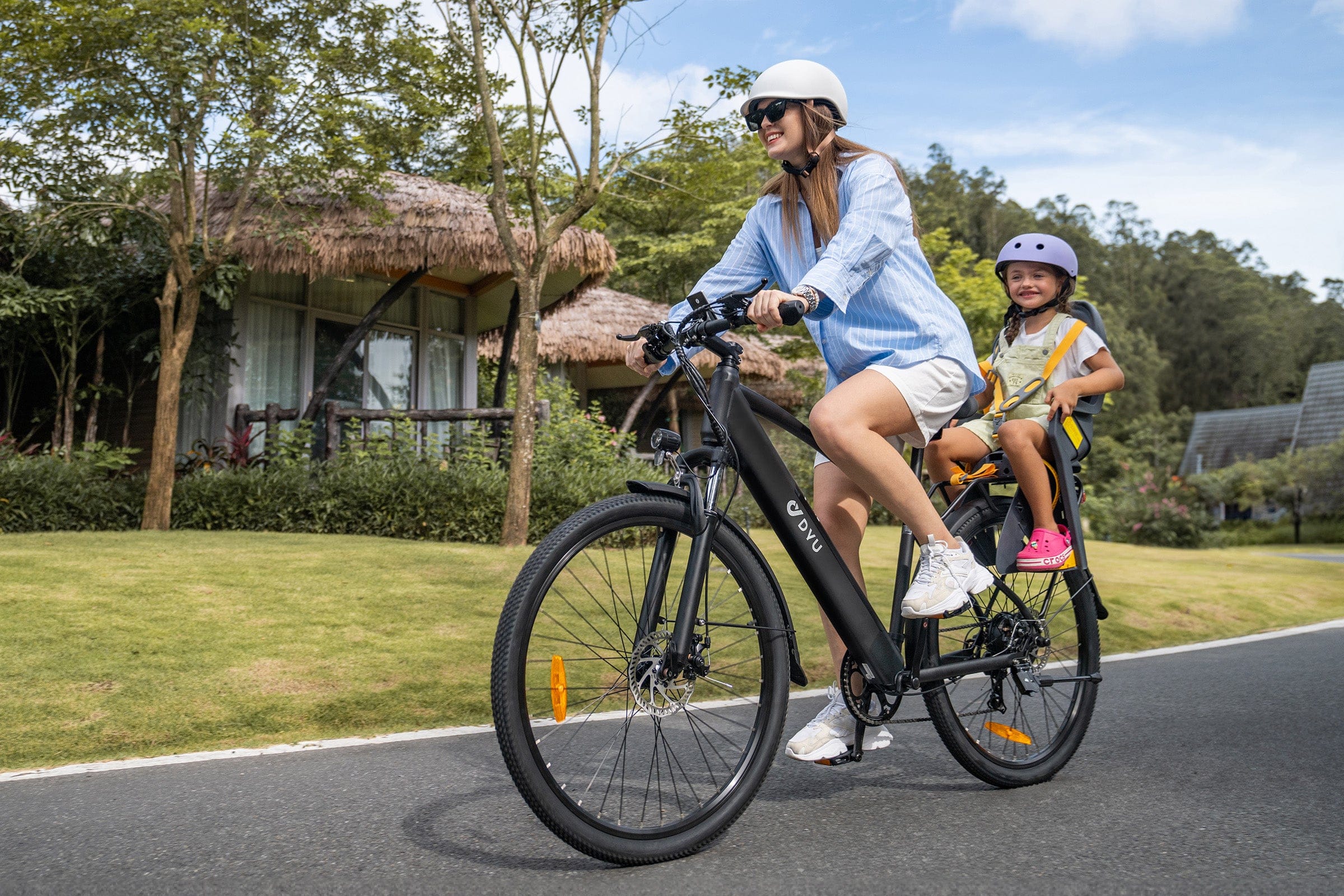
A bigger number is attractive. It also needs a closer read. The HITWAY BK6S L1 Folding Electric Bike, 250W, 70-150km Range lists 70-150 km, while the HITWAY BK15 Pro 27.5 Inch Electric Bike, 250W, 60-100km Range lists 60-100 km. Those ranges are useful because they signal more battery margin, but the top end usually assumes easier conditions.
Battery University explains how lithium-ion batteries age and respond to stress. That matters because range is not only a day-one shopping claim. Charging habits, storage temperature, and long-term battery care affect how confident the bike feels after months of use.
When a range is shown as a band, read the lower number first. If the lower number covers your real day with margin, the bike is a stronger fit. If only the highest number works, keep shopping.
Use a Simple Range-Margin Formula
For commuting, I like a simple formula: real daily distance plus 30 percent. That covers detours, headwind, tired legs, and the days when you use more assist than planned.
- 10 km daily ride: look for at least 13 km of comfortable real-world range.
- 25 km daily ride: look for at least 33 km of comfortable real-world range.
- 40 km daily ride: look for at least 52 km of comfortable real-world range.
- 60 km daily ride: look for at least 78 km of comfortable real-world range.
This does not mean the catalog number must equal the exact margin. It means you should think in usable distance, not perfect-condition distance. The DYU T1 20in Folding Electric Bike, 250W, Lightweight, 55km Range can be plenty for a normal city commute, while longer suburban routes may justify the larger listed range of the HITWAY options.
Range Also Depends on Storage and Charging

A bike with more range can still be annoying if it is difficult to charge. Apartment riders should check whether the battery is removable, where the charger will sit, and whether the bike can be stored away from heavy rain, direct heat, or shared hallway traffic.
BikeRadar’s e-bike maintenance guide is useful here because range confidence comes from ownership habits, not only battery size. Tire pressure, brake rub, drivetrain condition, lights, and charging routine all affect the ride.
Budget folders such as the DylanBikes Select 560W Folding Electric Bike, 32-Mile Range and UPlee GS5 740W Folding Electric Bike, 35-Mile Range can be attractive when storage matters most. The tradeoff is that shoppers should double-check folded size, brake feel, wheel size, charger placement, and whether the listed range covers their actual week.
Questions to Ask Before You Buy
Tom’s Guide’s e-bike shopping advice is a good broad checklist. For range specifically, I would ask five practical questions before checkout:
- What is my longest normal ride in a week?
- How much of that ride includes hills, wind, cargo, or stop-start traffic?
- Will I use low assist most of the time, or do I need high assist often?
- Where will I charge, and can the bike or battery cool down first?
- Does the lower end of the range claim still cover my day with margin?
Do Not Pay for Range You Cannot Use
More range sounds safer, but it can bring tradeoffs. A bigger battery may mean a higher price, more weight, a bulkier frame, or a bike that is harder to store in an apartment. That extra capacity is worth paying for when it solves a real problem. It is less useful when the bike becomes awkward for the rides you actually take.
For a student, a compact short-range folder may be easier to carry, charge, and lock than a long-range commuter. For a suburban rider, the opposite may be true. A 70-150 km range band is valuable when charging chances are limited or the route is long. It is overkill if the bike mostly handles a 4 km station connection.
Price should be read beside range, not after it. A lower-priced model can be a good deal if it covers your weekly routine with margin. A more expensive model can be a better deal if it prevents constant charging, range stress, or replacement after one season of heavier use. The right question is not which product has the biggest number. It is which product has enough number for your real life.
How to Compare Range When Product Names Use Different Units
Some listings use kilometers, while others use miles. Convert them before making a decision. A 32-mile listing is about 51 km, and a 35-mile listing is about 56 km. Once everything is in the same unit, the choice becomes much clearer.
Also check whether the product describes the range as a single number or a band. A single 55 km claim should be treated as an estimate. A 70-150 km band should be read from the lower end first. In both cases, the margin rule still applies.
Final Recommendation
E-bike range claims should help you shortlist products, not make the whole decision. Read the lower number, add a 30 percent margin, and match the bike to your storage, charging, hills, cargo, and riding style.
If your rides are short and storage is tight, a compact lower-range bike can be the smarter buy. If your week includes long commutes, suburbs, heavier bags, or fewer charging chances, choose a larger range buffer. The best e-bike is the one that still feels calm on the day when conditions are not perfect.
FAQs
Q1. Why is my e-bike range lower than advertised?
Real range changes with assist level, speed, hills, wind, temperature, rider weight, cargo, tire pressure, and stop-start traffic. Advertised figures usually reflect easier conditions than many daily rides.
Q2. How much e-bike range do I need for commuting?
Measure your full round trip and add at least 30 percent margin. For a 40 km day, shop as if you need about 52 km of comfortable usable range.
Q3. Is a 40 km e-bike range enough?
It can be enough for short city trips, last-mile commuting, and apartment riders with easy charging. It is not ideal if your normal day is already close to 40 km.
Q4. Do folding e-bikes have less range?
Not always. Some folding e-bikes have small batteries, while others list much longer ranges. Check battery capacity, bike weight, motor power, and the lower end of any range band.
Q5. How can I increase e-bike range?
Use lower assist when possible, keep tires properly inflated, avoid unnecessary weight, maintain brakes and drivetrain, charge sensibly, and choose smoother routes with fewer hard stops.


