
Electric Bike & Scooter Blog
E-Bike Battery Safety in Europe’s 2026 Heatwave: Buyer Checklist

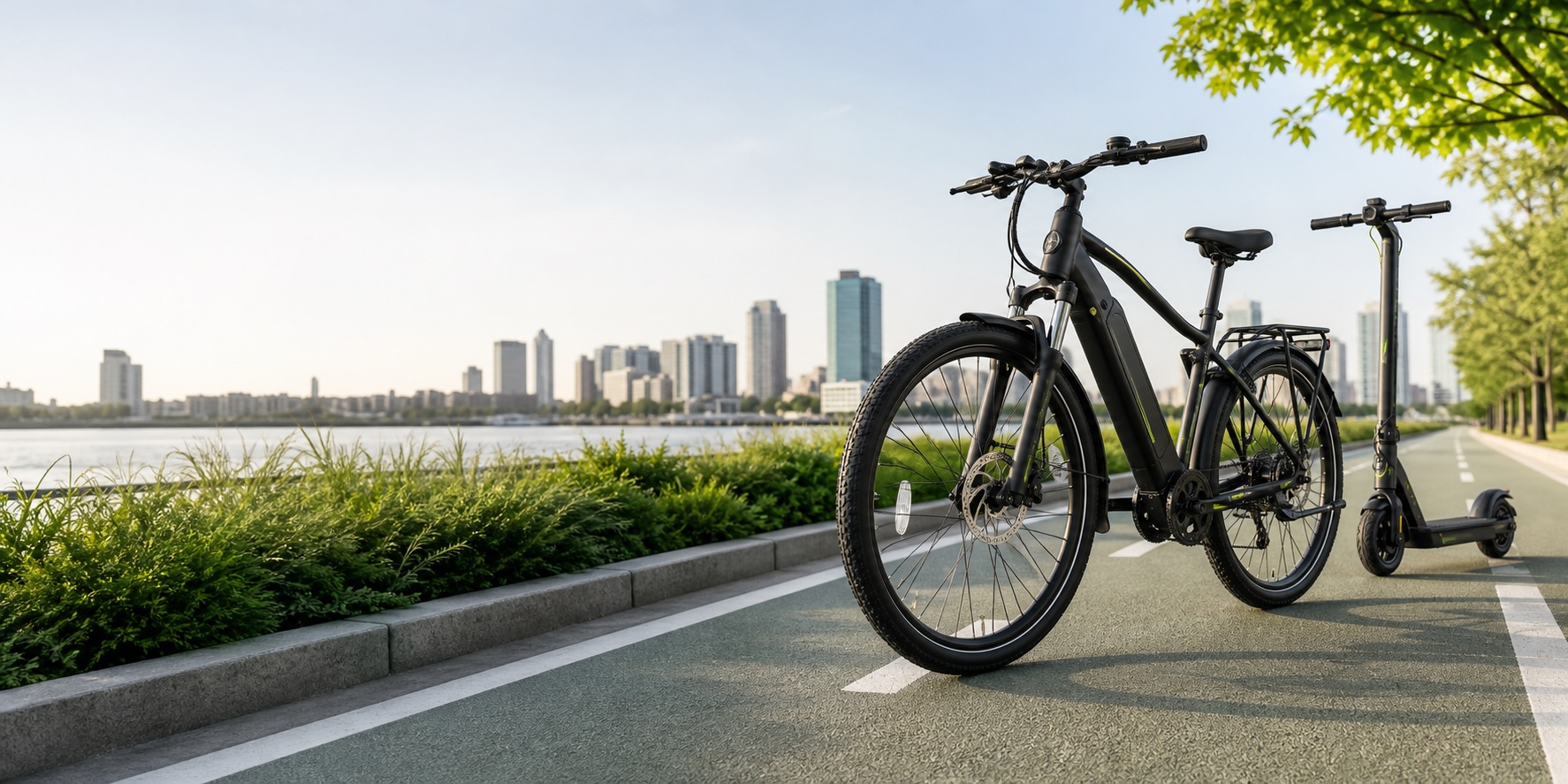
E-bike battery safety is a practical buying question in Europe this summer. The first heatwave of 2026 arrived early, and shoppers are not only comparing motor power or range claims anymore. They are asking where the bike will be stored, how the battery charges, and whether the whole setup fits hot apartments, sunny courtyards, and longer evening rides.
This guide is for buyers, not brand fans. The right e-bike in hot weather is not always the most powerful one. It is the one with a sensible battery routine, realistic range, reliable brakes, and a storage plan you can actually follow.
E-Bike Battery Safety: Why Summer Changes the Buying Checklist
Copernicus described western Europe’s late-May 2026 heatwave as unusually early and intense. Euronews has also reported how European cities are planning around more extreme urban heat. For e-bike shoppers, that means battery care is no longer an afterthought.
| Buyer question | What to look for | Why it matters in summer |
|---|---|---|
| Where will I charge? | A dry, ventilated indoor spot | Charging in direct sun or a hot shed is a poor routine |
| Can I remove the battery? | Removable pack or easy access | You can store it away from heat when parked |
| How much range do I need? | Enough margin beyond the daily trip | Heat, cargo, wind, and high assist reduce real range |
| Are the brakes trustworthy? | Disc brakes or better, with clear service access | Hot days often mean heavier bags and tired riding |
| Will I carry the bike? | Weight and folding size that fit your home | Indoor storage is easier when the bike is manageable |
Start With Storage Before You Compare Specs
Many buyers begin with motor watts. In a hot summer, I would start with the hallway, garage, lift, office corner, and charging socket. A bike that looks perfect online becomes awkward if the only parking place is a glass-roofed courtyard at 35°C.
Battery University explains that heat speeds up lithium-ion aging. The practical takeaway is simple: choose a bike you can store and charge sensibly. A removable battery is useful if your bike must stay outside for part of the day.
If the battery cannot be removed easily, the whole bike needs a cooler storage plan. If the bike is too heavy for your building, the storage plan may fail after one week. That is why battery safety and everyday ergonomics belong in the same buying decision.
DylanBikes Picks That Fit Hot-Weather Thinking
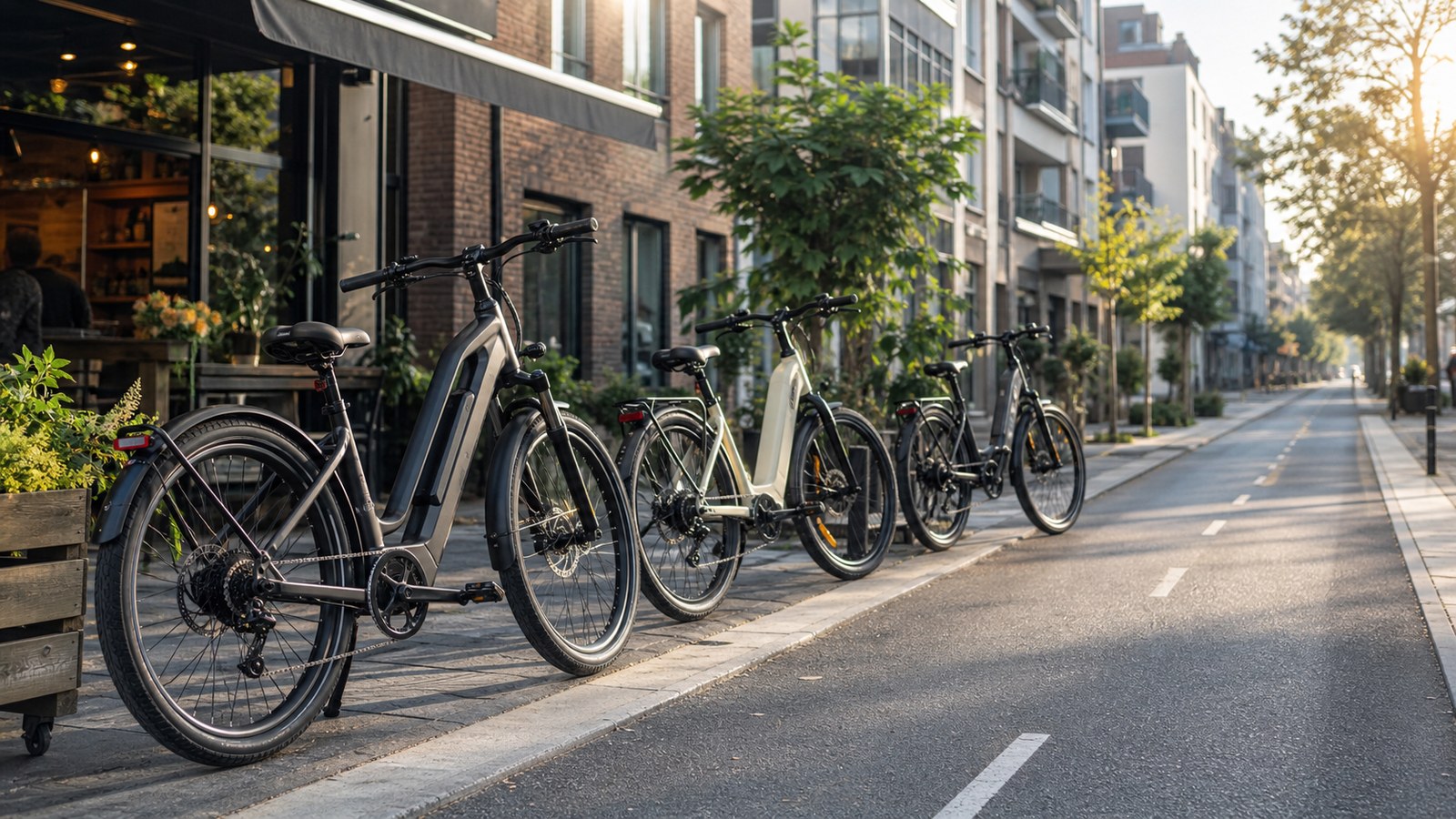
These are not universal winners. They are examples from the current DylanBikes catalog that fit different heat-aware buying situations. All prices below are current catalog prices checked for this article.
| Use case | Catalog option | Price | Why it fits this checklist |
|---|---|---|---|
| Stable city riding with a removable-style commuter setup | DYU C5 27.5in City Electric Bike, 250W, 65km Range | €799 | 250W city motor, 65 km listed range, 27.5-inch wheels, and practical commuter positioning |
| Folding bike for indoor storage | DYU T1 20in Folding Electric Bike, 250W, Lightweight, 55km Range | €749 | Folding frame, 250W motor, 55 km listed range, and easier apartment storage |
| Value folding option for tight budgets | Terrosor T5 560W Folding Electric Bike | €304.12 | Low entry price and folding format for buyers who prioritize storage flexibility |
| Non-DYU commuter alternative | HITWAY BK15 Pro 27.5 Inch Electric Bike, 250W, 60-100km Range | €749.99 | 250W commuter setup with 60-100 km listed range and larger-wheel ride feel |
| Simple commuter choice under €800 | DEEPOWER EP26 Commuter Electric Bike | €761.26 | A budget-friendly commuter listing for buyers comparing city-use basics |
The DYU models are only two of the five options here, which keeps the list market-wide instead of turning it into a single-brand recommendation. The stronger buying lesson is to match the product to storage, charging, and actual ride distance.
Removable Batteries Help, But Habits Still Matter
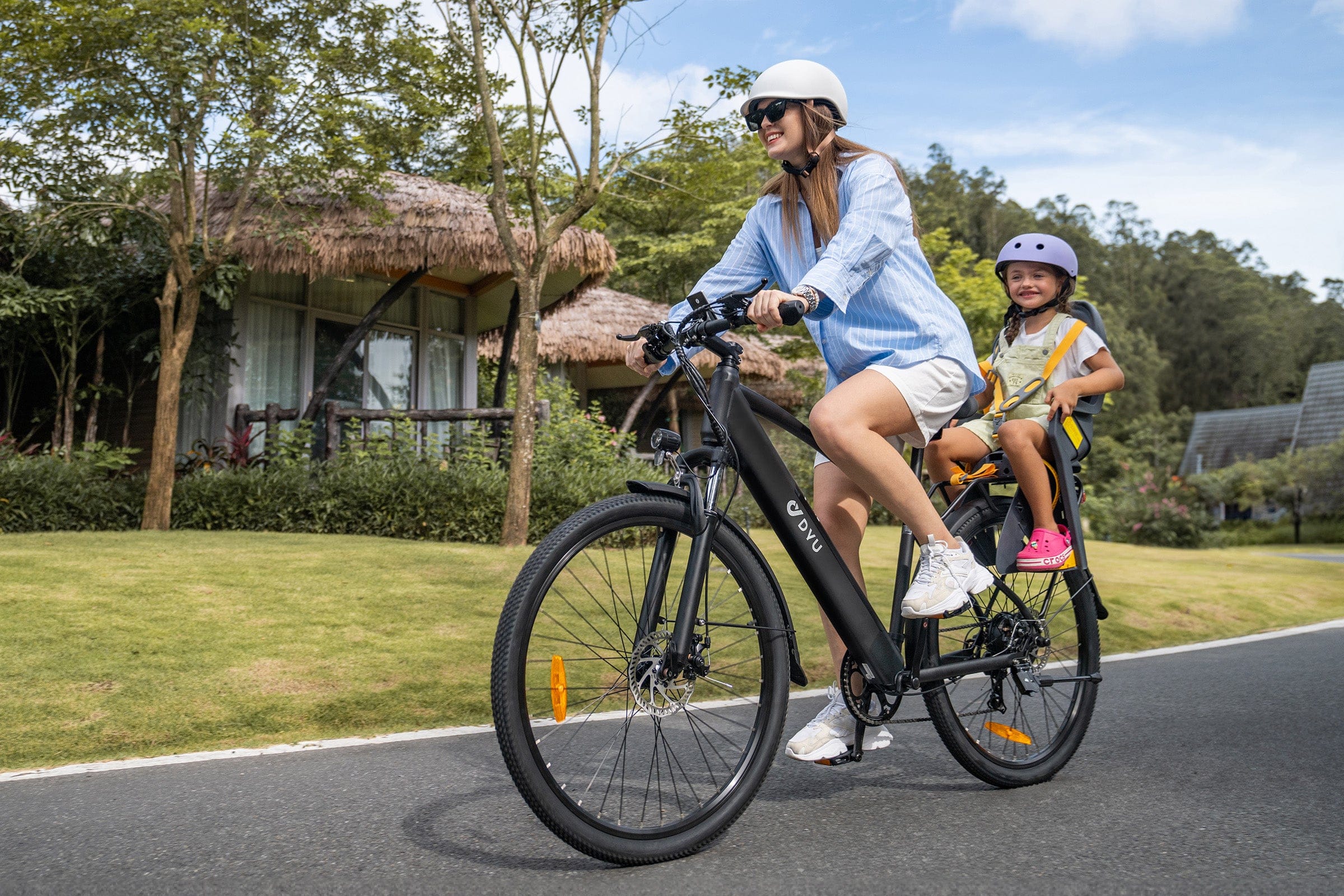
A removable battery helps because it gives you choices. You can take it into an office, keep it away from direct sun, and charge it later after the ride cools down. It does not mean the battery should be treated carelessly.
A good summer charging routine is boring: let the pack cool, use the supplied charger, avoid extension-lead clutter, keep the area dry, and do not charge where a blocked exit or pile of laundry turns a small problem into a serious one.
BikeRadar’s e-bike maintenance guide is worth reading because battery care is only one part of ownership. Tires, brakes, lights, chain condition, and display checks all affect how confident the bike feels on a hot commute.
Do Not Buy Range Claims Too Literally
Range claims are useful for filtering products, but they are not promises about your exact route. A bike listed for 65 km may be perfect for a 12 km each-way commute. It may feel tight for a loaded, hilly, windy route ridden in the highest assist setting.
Hot weather adds human limits too. Riders stop more often, carry more water, avoid steep shortcuts, and may use more assistance after work. When comparing products, build in margin instead of buying the smallest battery that looks acceptable on paper.
- For a daily 10-20 km commute, a listed 40-65 km range gives useful margin.
- For longer suburban trips, look for more battery capacity or a very efficient route.
- For apartment storage, weight and folding size may matter as much as range.
- For summer errands, brakes and tire condition become part of the safety calculation.
Folding Bikes Are Often Better for Heat Management
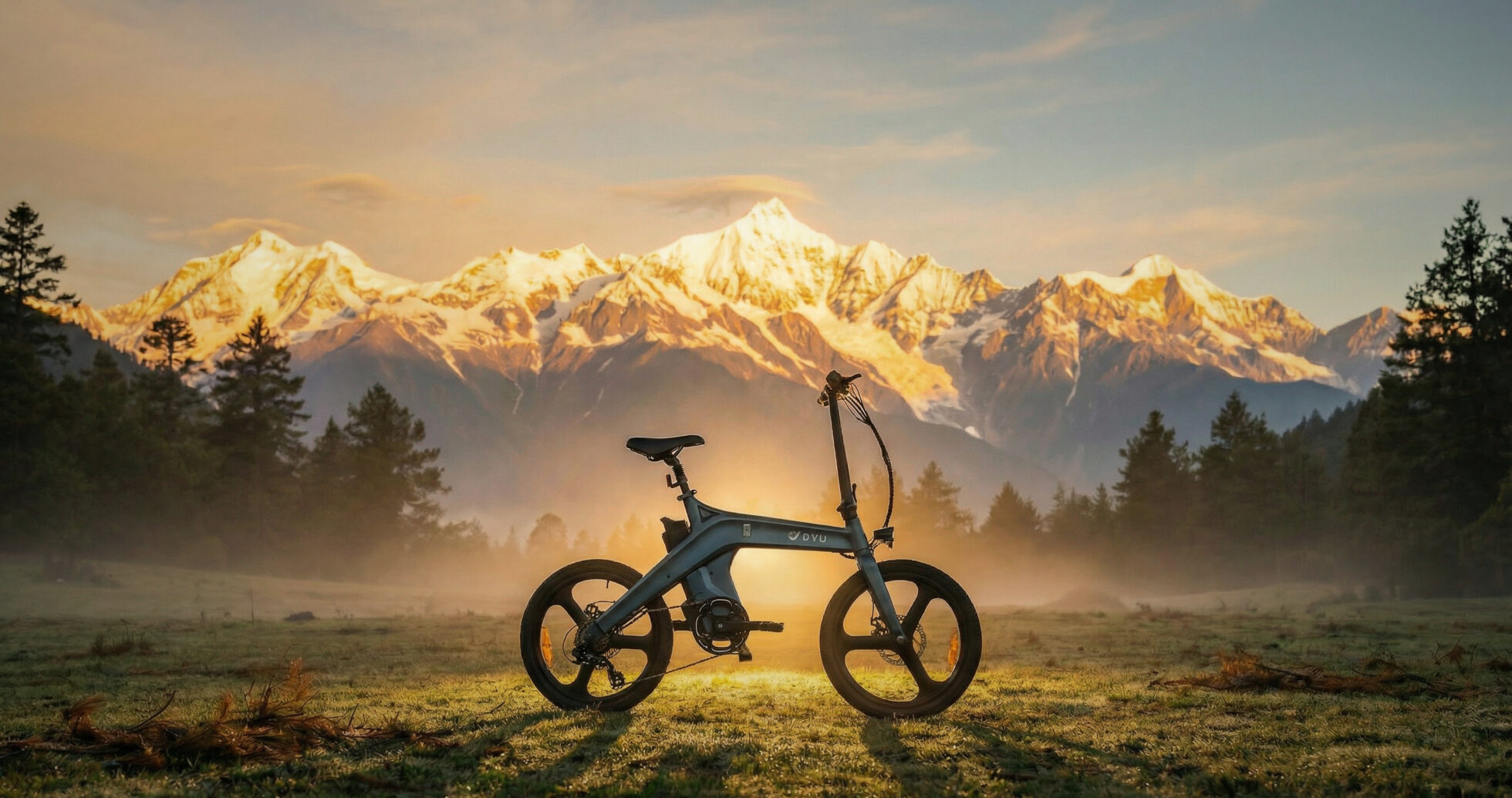
A folding e-bike is not automatically better than a full-size bike. It is better when it lets you store the bike indoors, out of direct sun, without turning every ride into a lifting contest. That is why the DYU T1 and Terrosor T5 belong in the conversation for apartment riders.
The tradeoff is ride feel. Small wheels can feel more active on rough streets, and compact frames may not suit every rider. Before buying, check folded size, weight, handlebar height, and whether the battery or charging port is easy to reach.
Tom’s Guide’s first e-bike shopping advice is a useful broad checklist because it reminds buyers to think about fit, riding style, and total use case, not only headline specs.
Questions To Ask Before Checkout
Before buying, check the product page one more time for battery size, charger type, warranty notes, delivery area, and whether the listed range matches your actual week. If you cannot picture where the bike will cool down and charge after a hot ride, solve that before choosing a bigger motor.
That small pause catches many bad purchases. A cheaper bike can still be a smart buy when it fits your storage plan. A better-looking bike can become frustrating if it has to sit in direct sun because it is too heavy to bring indoors.
Final Recommendation
For summer 2026, treat e-bike battery safety as a buying requirement, not a maintenance note you will read later. Choose a bike that can be stored away from extreme heat, charged in a sensible place, and ridden with range margin.
If you want one practical rule, use this: buy the bike that fits your hottest normal day, not your easiest ride. The best deal is not the lowest price. It is the bike you can charge, park, brake, carry, and maintain without improvising every afternoon.
FAQs
Q1. Are e-bike batteries safe in hot weather?
They can be safe when stored and charged properly. Avoid direct sun, hot cars, sealed sheds, damaged chargers, and charging immediately after a hard hot ride.
Q2. Should I buy an e-bike with a removable battery?
A removable battery is useful if you park outside, live in an apartment, or need to charge at work. It gives you more control over storage temperature and charging location.
Q3. How much range do I need for summer commuting?
Buy with margin. For a 20-40 km daily routine, a bike listed around 50-70 km is usually more comfortable than choosing the smallest battery that barely covers the route.
Q4. Is it safe to charge an e-bike battery overnight?
The safer habit is to charge while you are awake and nearby, using the correct charger in a dry, ventilated place. Avoid charging on beds, sofas, escape routes, or direct sunlight.
Q5. What should I check before buying an e-bike in 2026?
Check battery access, charger quality, realistic range, brakes, tire size, total weight, storage space, warranty, and whether the bike fits the roads you actually ride.


