
Electric Bike & Scooter Blog
E-Bike Warranty Checklist: What Buyers Should Verify

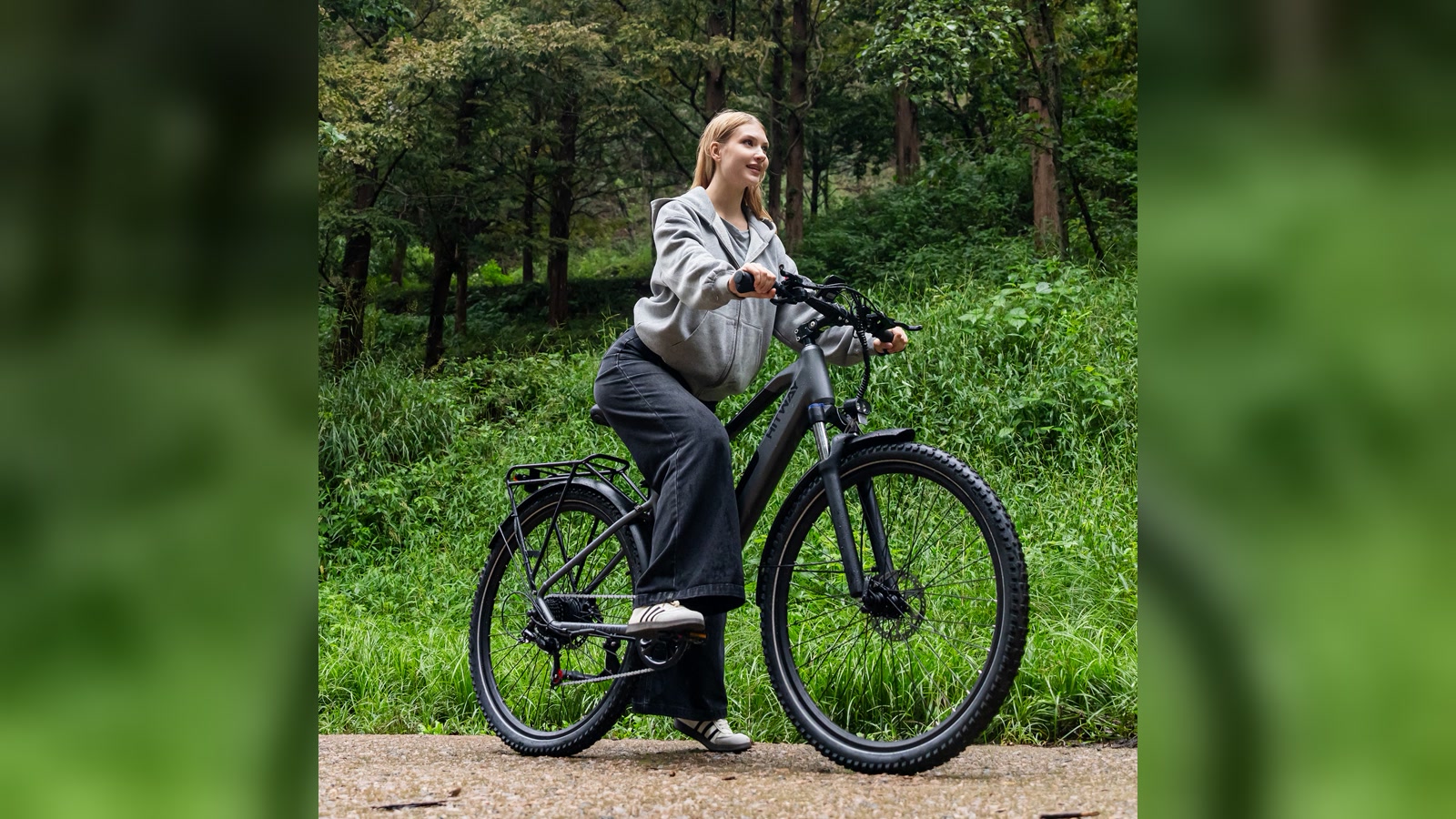
An e-bike warranty checklist matters because the most expensive parts of an electric bike are not always covered for the same length of time. A frame may have one term, the motor another, the battery a shorter term, and wear items no meaningful cover at all. The headline number rarely tells the whole story.
Before paying, buyers should know who handles a claim, which parts are included, what evidence is required, whether labour and shipping are covered, and where the bike can actually be repaired. Five careful minutes now can prevent weeks of confused emails later.
Separate the Legal Guarantee From the Commercial Warranty

In the European Union, a legal guarantee and a manufacturer’s commercial warranty are not the same thing. The Your Europe consumer guarantee guide explains that buyers have a minimum two-year legal guarantee for faulty goods bought from a professional seller. National rules may provide additional protection.
The legal guarantee is normally a claim against the seller. A commercial warranty is an additional promise from a shop, brand, distributor, or component maker. It can offer useful extra protection, but it cannot reduce the minimum legal rights that apply.
| Protection | Who usually provides it | What to verify |
|---|---|---|
| Legal guarantee | The professional seller | Country rules, start date, remedy process, proof of purchase |
| Commercial bike warranty | Retailer, distributor, or bike brand | Duration, covered parts, exclusions, claim route |
| Component warranty | Motor, battery, brake, or drivetrain maker | Whether the buyer or dealer can submit the claim |
| Paid protection plan | Retailer or third party | Overlap, excess, cancellation, and territorial limits |
Ask the seller to put the relevant terms in a durable form, such as an email or downloadable document. The Your Europe guarantee FAQ also notes the importance of keeping receipts and delivery records.
Check Coverage for the Frame, Motor, Battery, and Electronics
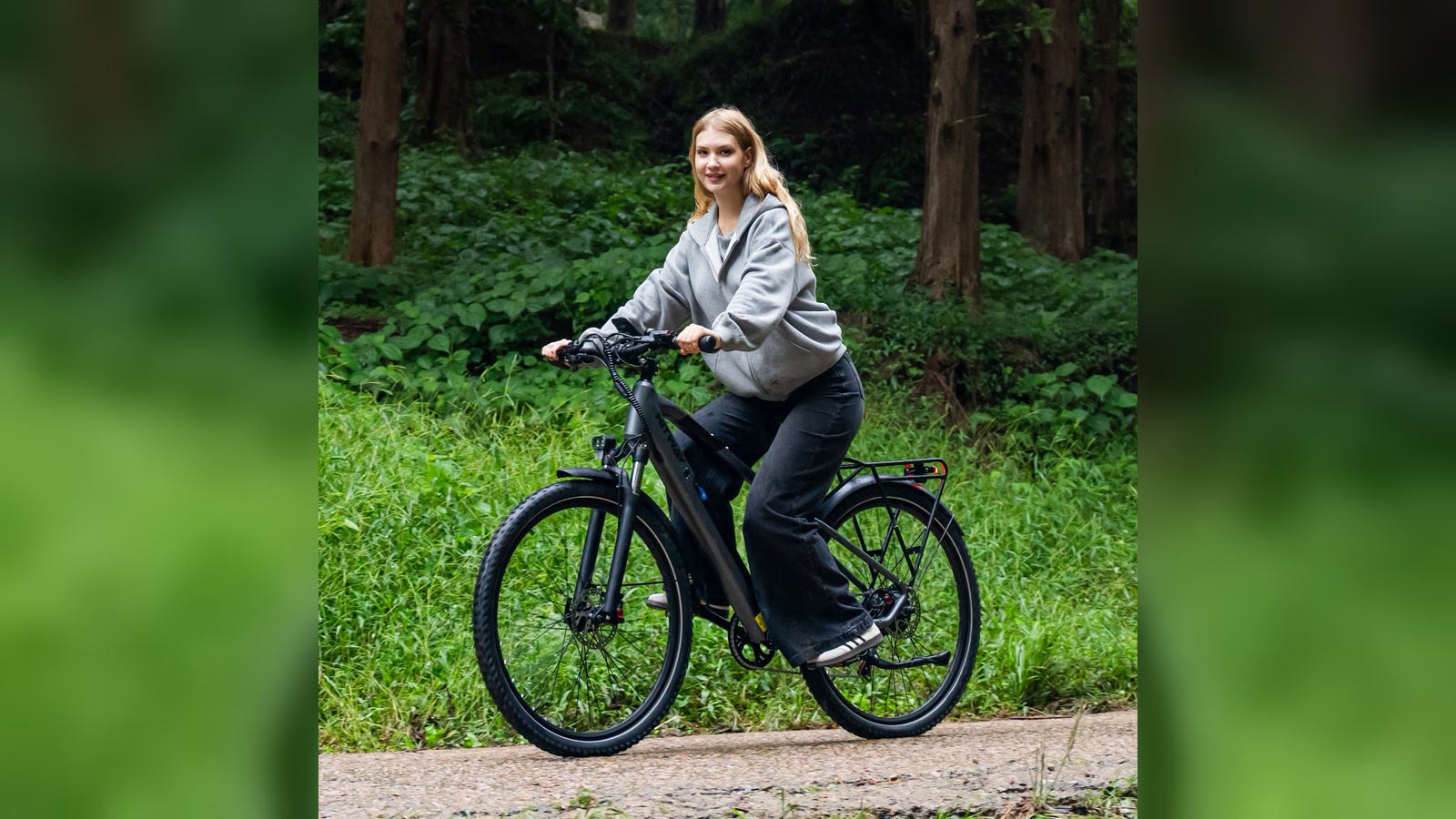
An e-bike is a bicycle and an electrical system sharing the same frame. Warranty terms should make clear how both sides are handled. Look for a component-by-component table rather than a single statement such as “two-year warranty.”
Frame and Structural Parts
Confirm whether the frame, fork, handlebar, stem, folding hinge, racks, and proprietary cast parts have separate terms. Coverage for manufacturing defects is different from damage caused by crashes, overloading, corrosion, poor assembly, or modifications.
Motor and Controller
Ask whether diagnosis must be completed by an approved shop, whether software error reports are needed, and whether labour is included. A free replacement controller is less helpful if the buyer must pay substantial diagnostic and installation costs.
Battery, Charger, and Display
Battery wording deserves special attention. Check the period, any mileage or charge-cycle limit, capacity-retention threshold, storage conditions, approved charger requirement, and exclusions for water or impact damage. Also ask whether the charger, display, wiring harness, sensors, and keys follow the battery term or a different electronics term.
Wear Items
Brake pads, tyres, chains, cassettes, grips, and similar parts normally wear through use. A warranty may still apply if a new part was defective, but normal wear is not the same as a manufacturing fault. Clear wording helps buyers budget accurately.
Understand the Claim Process Before the Bike Arrives
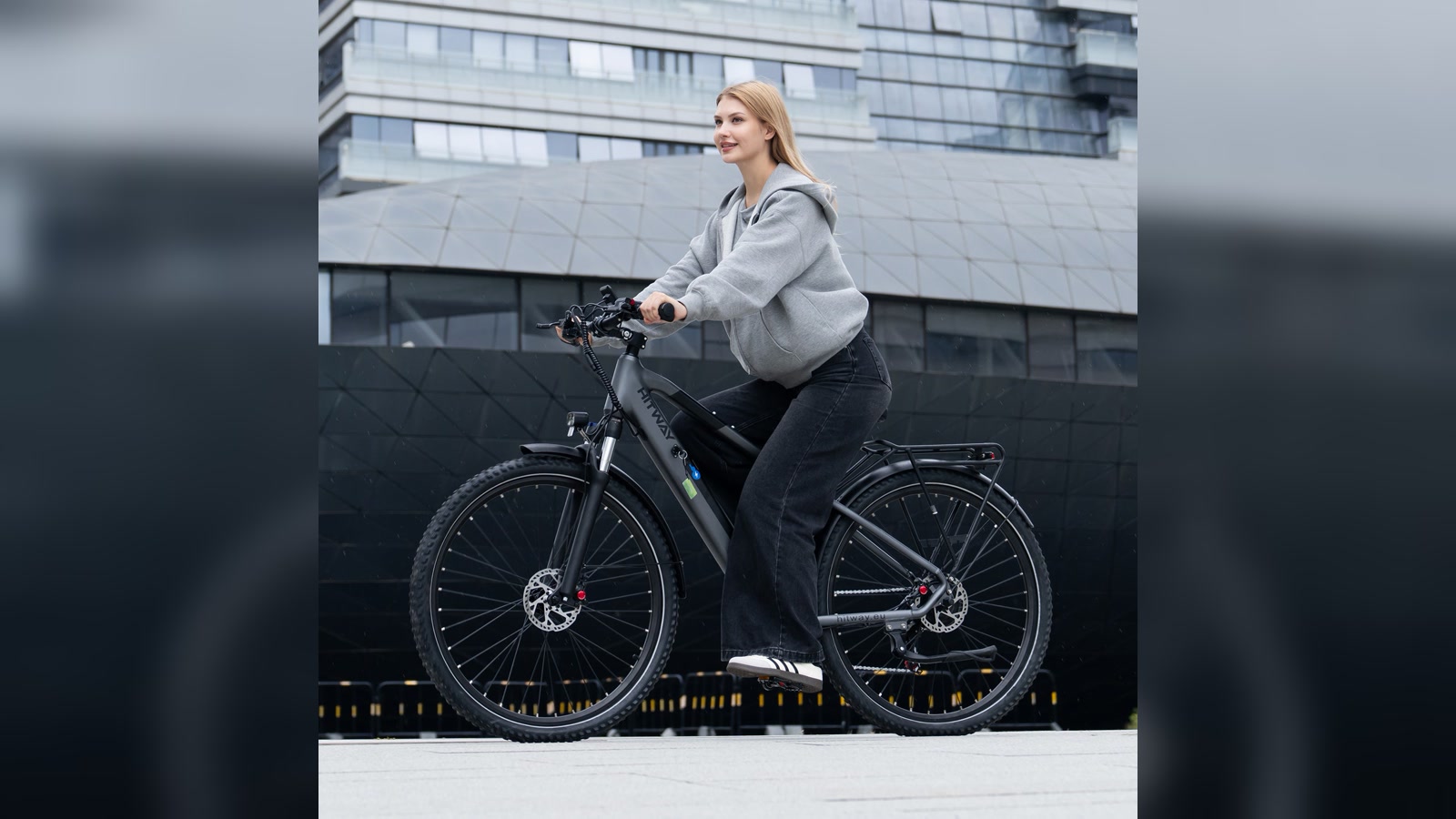
A strong warranty process should answer practical questions without making the customer guess. Who receives the first message? What photos or video are required? Is there a serial-number registration deadline? Does the seller send parts, arrange a shop, collect the bike, or ask the buyer to package it?
Delivery evidence can matter. Photograph the unopened box if it is visibly damaged, then record the bike, serial number, charger, keys, accessories, and any transport marks during unboxing. The e-bike delivery checklist provides a practical sequence for assembly and first-ride checks.
- Keep the order confirmation, invoice, and delivery tracking.
- Save the warranty version that applied on the purchase date.
- Record the frame and battery serial numbers.
- Use the approved charger and follow storage instructions.
- Keep service receipts and written claim conversations.
- Do not discard packaging until the return process is understood.
A buyer should not be required to diagnose a high-voltage battery or open sealed electrical parts. If the claim instructions demand unsafe work, stop and ask for a qualified service route.
Verify Labour, Shipping, Service Locations, and Spare Parts
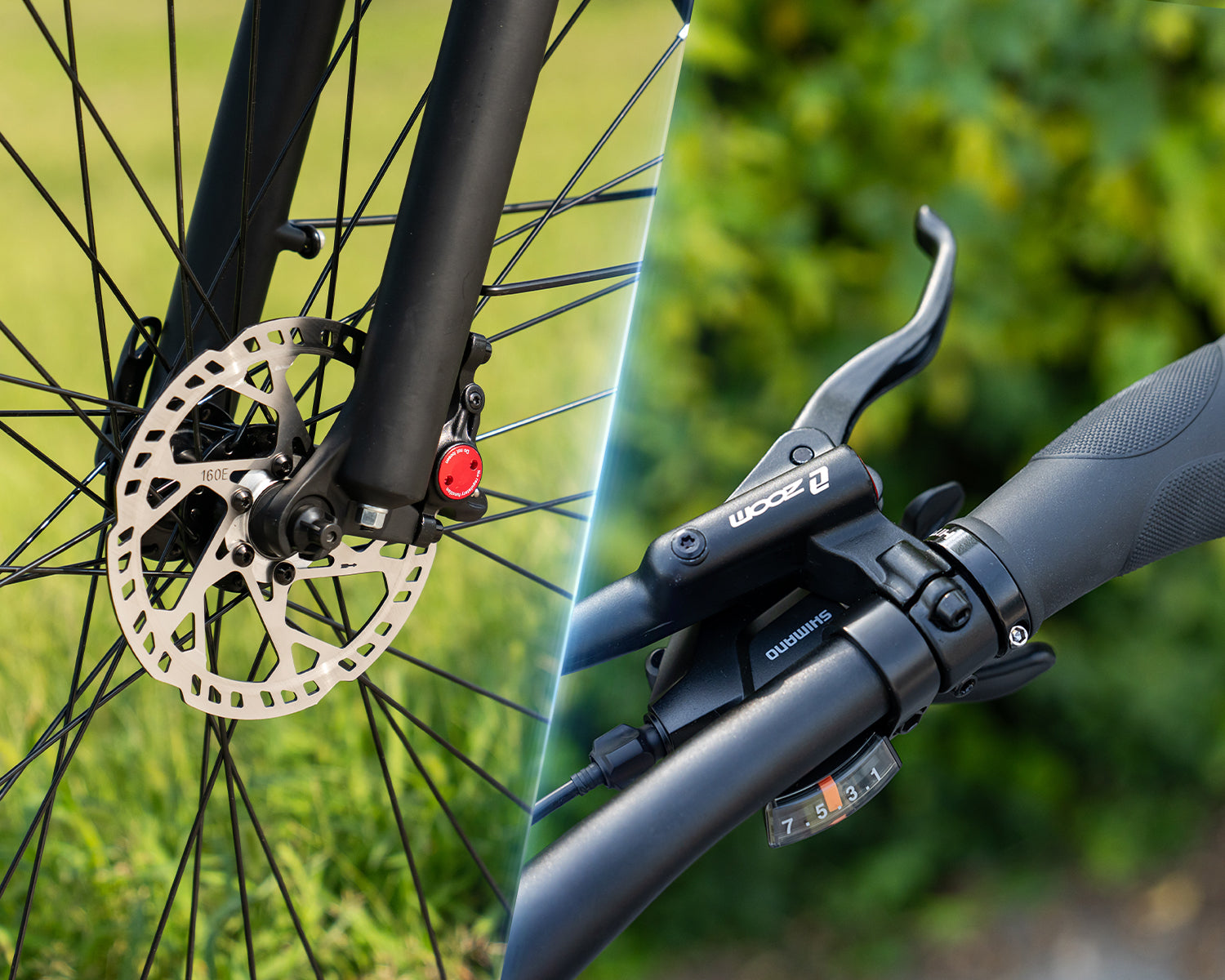
Parts coverage is only one part of the real cost. A motor might be supplied without labour. A complete bike might need to be shipped hundreds of kilometres. A local shop might service the bicycle components but decline electrical work on a system it does not support.
Ask the seller for a service postcode check before buying. If no authorised location is nearby, find out whether mobile service, remote diagnosis, prepaid shipping, or reimbursement for an independent mechanic is available. Do not assume every bicycle shop will accept every motor and battery system.
Spare-parts availability matters after the warranty ends as well. Ask whether replacement batteries, chargers, controllers, displays, sensors, derailleur hangers, keys, brake pads, and proprietary fasteners can be ordered. The broader European Commission repair-of-goods overview shows the policy direction toward longer product life, but buyers should still verify which current rules and parts commitments apply to the exact e-bike.
The three-year e-bike ownership cost guide is useful here. Warranty coverage can reduce an unexpected bill, while excluded labour, transport, consumables, and routine service still belong in the budget.
Three Current Listings and the Warranty Questions They Raise
Product specifications can suggest which warranty details deserve extra attention. The examples below are not a ranking. They show how frame style, drive layout, battery claims, and intended use change the questions a careful buyer should ask.
| Current listing | Current price | Warranty detail to verify |
|---|---|---|
| HITWAY BK18 Pro Belt Drive Electric Bike, 40-80km Range | €1,149.99 | Belt, rear hub, battery, controller, and labour coverage |
| HITWAY BK32 Mid-Drive Step-Through Electric Bike, 80-120km Range | €1,249.99 | Mid-drive diagnosis, torque sensor, battery, and service location |
| HITWAY BK6S L1 Folding Electric Bike, 250W, 70-150km Range | €899.99 | Folding hinge, battery, electrical connectors, and shipping procedure |
Prices and availability can change. More importantly, a product title and specification list do not replace the warranty document. Open the current terms, save a copy, and ask for clarification wherever the coverage period or claim route is vague.
A heavier bike may also create practical return and service challenges. The e-bike weight guide explains why stairs, car racks, train travel, and lifting should be considered before purchase, not after a service request begins.
Use This Ten-Question E-Bike Warranty Checklist
- Who is the legal seller? Record the trading name, address, and contact route.
- What does the legal guarantee provide? Check the rules for the country of purchase.
- Who offers the commercial warranty? It may be the seller, distributor, brand, or component maker.
- How long is each major part covered? Separate frame, motor, battery, controller, charger, display, and accessories.
- What counts as normal battery wear? Look for capacity, mileage, cycle, temperature, and storage conditions.
- Are labour and diagnosis included? A free part may still create a service bill.
- Who pays shipping or collection? Confirm this for both parts and the complete bike.
- Where can the bike be serviced? Check an actual postcode, not a generic dealer claim.
- Which actions can void coverage? Review modification, water, overload, assembly, tuning, and unauthorised repair clauses.
- Are spare parts available after the warranty? Ask specifically about the battery and proprietary electronics.
Warranty Red Flags Before Checkout
- The warranty period is advertised, but no full terms are accessible.
- The seller identity or return address is unclear.
- Battery coverage omits capacity, cycle, or storage conditions.
- All electrical problems are labelled “wear” without a clear test process.
- The customer must pay every diagnostic and shipping cost regardless of fault.
- No service location, replacement battery, or proprietary spare part can be identified.
- The terms attempt to replace or reduce legal consumer rights.
It is also sensible to check official product-safety information. The European Commission product-safety page links to Safety Gate, where consumers can search EU alerts and recalls for dangerous non-food products.
Final Recommendation
A good e-bike warranty is specific, accessible, and practical. It identifies the seller and guarantor, separates major components, explains exclusions in plain language, and gives the buyer a realistic service route.
Do not choose a bike on warranty length alone. A shorter, clear promise backed by available parts and a workable service network may be more useful than a longer headline with unclear labour, shipping, and battery conditions. Save the terms before paying, document delivery, and keep every service record.
FAQs
Q1. What should an e-bike warranty cover?
A useful policy should clearly address the frame, motor, battery, controller, charger, display, electrical wiring, and included accessories. It should also state the periods, exclusions, labour terms, shipping costs, and claim process.
Q2. How long is the legal guarantee for an e-bike in the EU?
EU consumers generally have a minimum two-year legal guarantee for faulty goods bought from a professional seller. National rules can provide additional protection, so buyers should check the current guidance for their country.
Q3. Are e-bike batteries covered by warranty?
Many commercial warranties cover manufacturing defects in the battery for a defined period, but normal capacity loss, storage damage, water damage, impact, or unapproved chargers may be excluded. Read the exact battery section before buying.
Q4. Who pays for e-bike warranty shipping?
The answer depends on the legal remedy, seller, warranty terms, location, and type of fault. Ask whether prepaid labels, collection, packaging, and complete-bike transport are included before a claim is needed.
Q5. Can servicing an e-bike void the warranty?
Routine service should follow the manual and applicable consumer law, but damage caused by incorrect work or unauthorised modifications may be excluded. Ask which jobs require an approved technician and keep all service records.


