
Electric Bike & Scooter Blog
E-Bike Ownership Costs: A 3-Year Budget Guide

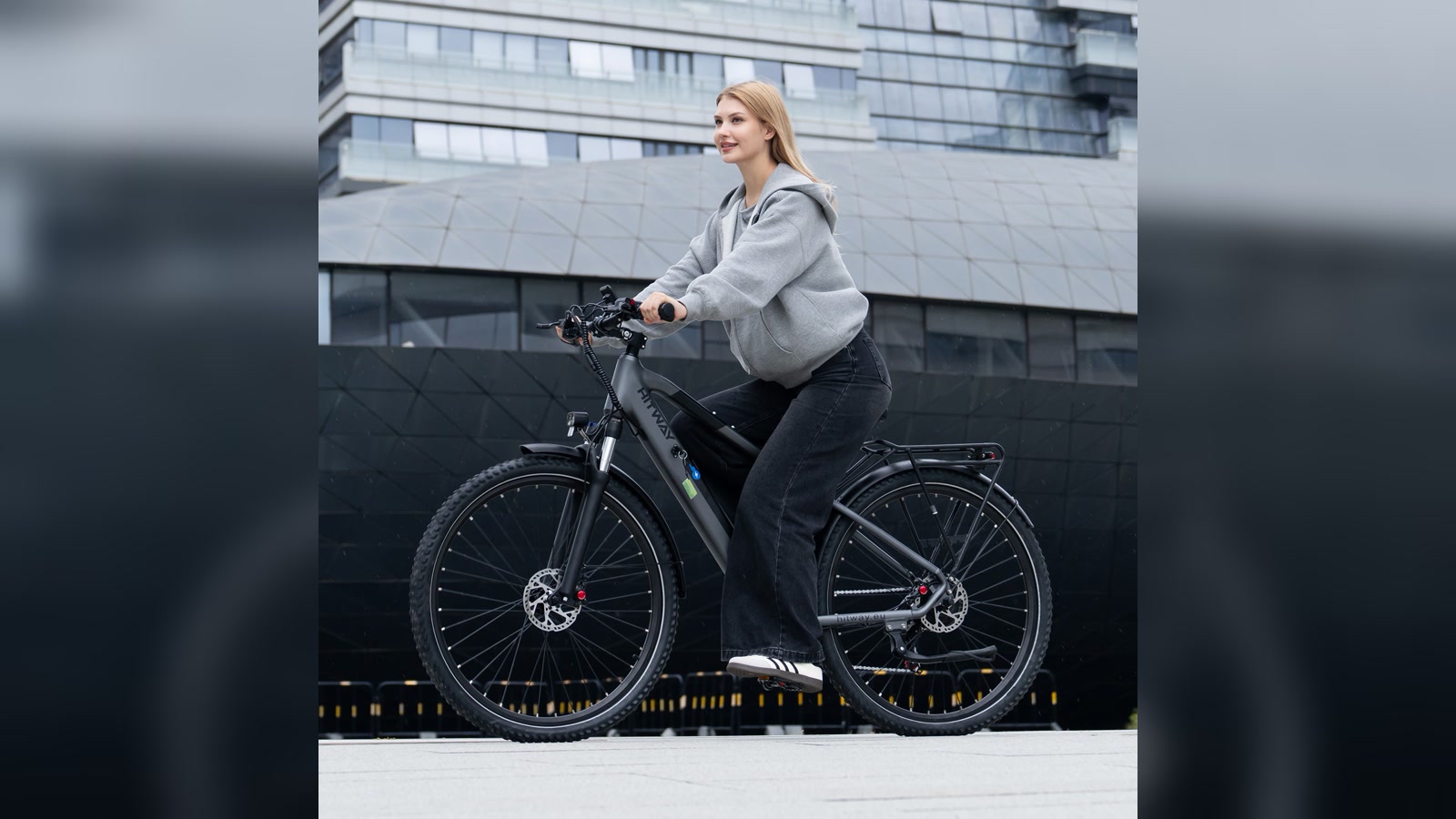
E-bike ownership costs start before the first ride and continue long after the checkout screen. The bike is the largest line item, but a realistic budget also includes a lock, helmet, basic tools, servicing, brake and tire wear, battery care, secure storage, and the occasional part that fails at an inconvenient time.
A three-year plan does not need perfect predictions. It needs categories, sensible assumptions, and a reserve for the things that depend on distance, weather, rider weight, hills, and storage. The aim is to compare complete ownership, not just two price tags.
Start With More Than the Purchase Price
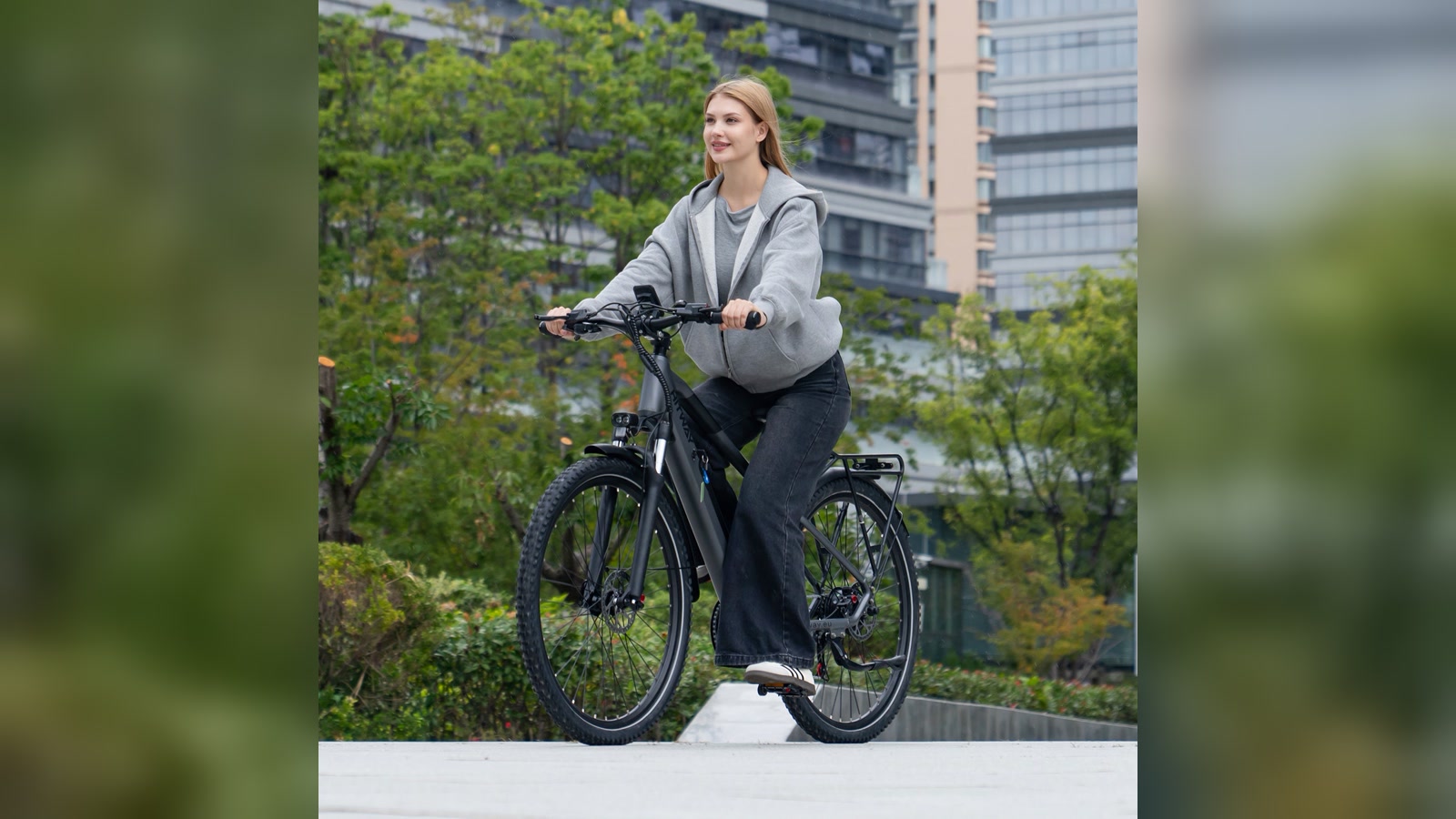
The first useful number is the out-the-door cost. Add delivery or assembly charges, essential accessories, and any immediate fit changes. A low advertised price can still produce a high first-month bill if the bike arrives without the rack, lights, fenders, or lock that your route requires.
| Budget category | Typical examples | How to estimate |
|---|---|---|
| Bike and delivery | Bike, shipping, assembly, payment fees | Use the final checkout total, not the headline price |
| Safety and security | Helmet, lock, lights, reflective gear | Buy for the route and theft risk |
| Fit and carrying | Rack, panniers, saddle, grips, mirror | Add only the items needed for regular trips |
| Routine service | Inspections, adjustments, cleaning | Base frequency on distance, weather, and maker guidance |
| Wear parts | Brake pads, tires, tubes, chain or belt items | Keep a reserve rather than assuming one lifespan |
| Battery and electronics | Charger, diagnosis, eventual replacement | Check warranty terms and current replacement availability |
The Cycling UK beginner’s guide to e-bikes provides useful context on purchasing and servicing. Local labor rates vary, so use a nearby shop’s current menu when building your own numbers.
Year One Is About Setup and Protection
Most preventable first-year spending comes from buying twice. A weak lock is replaced after the owner understands local theft risk. An uncomfortable saddle is replaced before basic fit is checked. A tiny pump is replaced when it cannot reach the tire pressure the bike needs.
Start with the essentials:
- A correctly fitted helmet suitable for your riding.
- A lock strategy matched to the parking location and bike value.
- Lights and visibility items for the times you actually travel.
- A pump with a gauge and the correct valve connection.
- Tools needed for the specific fasteners you are expected to check.
- Carrying equipment that stays within the bike and rack limits.
Before buying extras, work through the e-bike delivery and first-ride checklist. It separates missing equipment from setup problems and gives you a record of how the bike arrived.
Maintenance Costs Follow Use, Not the Calendar
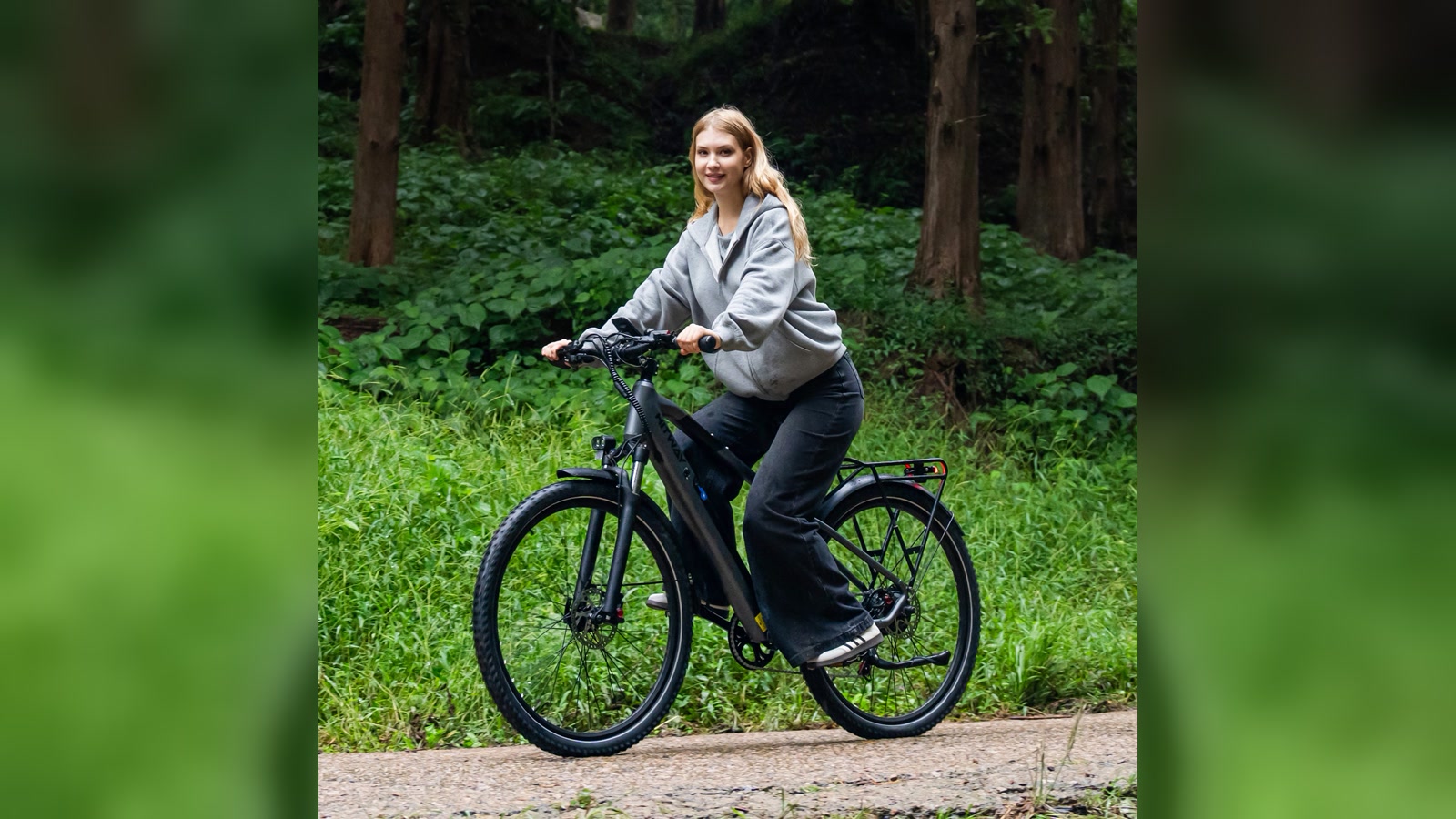
A rider covering 3,000 km a year through winter rain will not have the same maintenance bill as someone riding 500 dry weekend kilometres. Hills, cargo, frequent stops, grit, poor shifting, low tire pressure, and outdoor storage can all raise wear.
BikeRadar’s electric-bike maintenance overview explains why e-bike drivetrains and electrical parts need regular attention. The broad principle is simple: small inspections cost less than riding a worn part until it damages the parts around it.
Create separate reserves for predictable wear and unexpected repair. Predictable wear includes pads, tires, tubes or sealant, chains, sprockets, and routine adjustments. Unexpected repair covers a damaged wheel, display, cable, sensor, light, or charger after a fault or impact.
The e-bike brake types guide helps buyers understand service differences before choosing a system. For chain-driven bikes, Park Tool’s chain-cleaning instructions show how the right routine can keep contamination from becoming a thick grinding paste.
Battery Habits Affect Long-Term Value
The battery is the component most buyers worry about, but guessing a replacement date is not useful. Cell quality, charging cycles, storage temperature, depth of discharge, firmware, charger condition, and time all affect capacity.
Use the charger supplied or approved for the system, charge in a dry area according to the maker’s instructions, and avoid storing a battery in extreme heat. Bosch eBike battery-care guidance is system-specific, but its explanation of temperature, storage, charging, and gradual capacity loss is a useful example of the detail buyers should expect from a reputable supplier.
Before purchase, check three things: the battery warranty, whether a replacement battery is listed, and how diagnosis is handled. A cheap bike with no replacement path can have poor long-term value even if the first year’s running cost is low.
The battery safety checklist for European buyers covers charging environment and heat, while the range-claims guide explains why real distance varies. Both affect the size and age of battery a shopper may actually need.
Insurance, Storage, and Transport Belong in the Budget
Secure indoor storage can reduce weather damage and theft exposure, but it may require a wall anchor, floor mat, cover, or compact rack. Apartment riders should also consider stairs and battery-removal rules before buying a heavy bike.
Insurance may be worthwhile depending on bike value, location, household cover, and daily parking. Read exclusions carefully. Some policies specify lock standards, proof of ownership, storage conditions, or reporting procedures.
Transport adds another category. A suitable car rack must support the bike’s weight and frame shape. Trains and buses may have peak-hour, size, or battery restrictions. Check the operator and rack maker before assuming an e-bike will fit.
Three Current Purchase-Price Examples
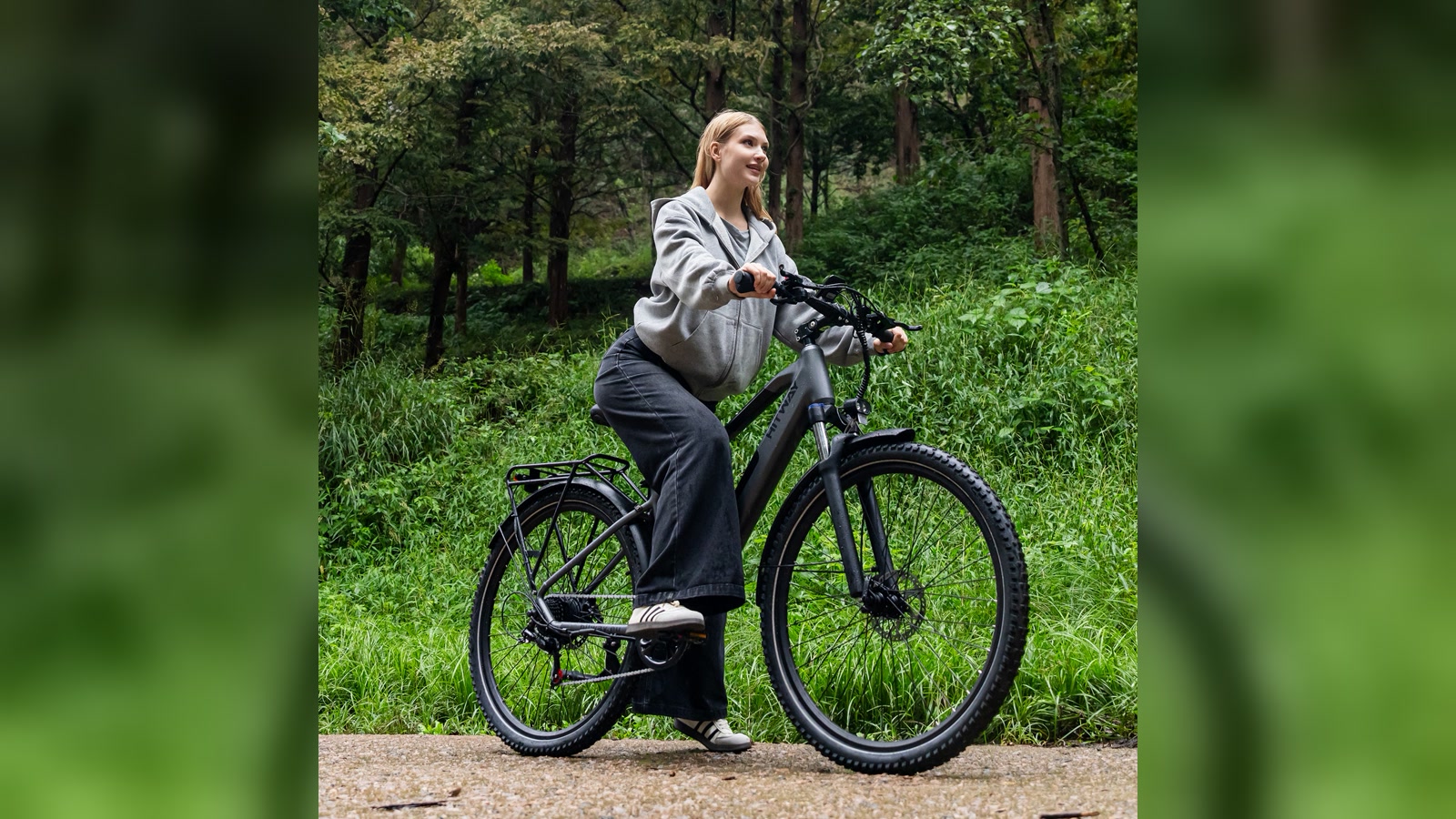
Purchase price still matters, especially because it sets the amount of money tied up before accessories and service. These three in-stock examples show how different equipment choices can start at different price points without pretending the cheapest option will always cost least over three years.
| Current example | Live price | Ownership questions to ask |
|---|---|---|
| HITWAY BK7S Plus 29-Inch Electric Bike | €1,049.99 | How do hydraulic brake service, 29-inch tires, and the 36V 12.8Ah battery fit local support? |
| HITWAY BK18 Pro Belt Drive Electric Bike | €1,149.99 | Does the belt-drive setup reduce the maintenance tasks that matter on your route, and who services the torque sensor? |
| HITWAY BK32 Mid-Drive Step-Through Electric Bike | €1,249.99 | What does mid-drive service cost locally, and are the 374.4Wh battery and 80-120 km listed range appropriate for your use? |
Prices can change, so confirm the current listing before ordering. More importantly, compare the warranty, battery availability, brake parts, tire sizes, dealer access, and everyday fit. Those details determine whether the initial saving remains a saving.
Build a Three-Year Budget With a Simple Formula
Use a spreadsheet or note with one row per category. Put confirmed costs in one column, estimates in another, and a confidence level beside each estimate. That keeps a known lock price separate from a guessed future repair.
A practical formula is:
Three-year ownership cost = purchase and delivery + setup gear + scheduled service + wear parts + charging + insurance and storage + repair reserve – realistic resale value.
Do not subtract an optimistic resale figure just to make a bike look affordable. Use a conservative estimate or leave resale at zero. Also keep financing charges visible; spreading payments changes cash flow, not the total price.
| Scenario | What to increase | What may stay lower |
|---|---|---|
| Daily wet commute | Brake, tire, drivetrain, cleaning, and service reserve | Car or transit spending may fall |
| Apartment plus train | Portable lock, carrying, storage protection | Annual distance and tire wear may be moderate |
| Hilly route with cargo | Brake, drivetrain, tire, and battery contingency | Parking costs may be low |
| Weekend leisure use | Transport rack and seasonal service | Routine wear may be slower |
When a Cheaper E-Bike Can Cost More
A low price becomes poor value when the bike does not fit, the battery cannot be replaced, proprietary parts are unavailable, or the owner needs immediate upgrades. The same is true when an overpowered or oversized bike creates legal, storage, or transport problems.
On the other hand, a higher price is not proof of lower ownership cost. Premium electronics, suspension, and drive systems can require specialist service. Buy complexity only when it solves a real route or comfort problem.
The strongest value usually comes from a bike that fits the rider, route, storage, and support network with minimal modification. A slightly less exciting specification can be cheaper to live with if common parts and competent service are nearby.
Final Recommendation
Estimate e-bike ownership costs before choosing the model. Begin with the current purchase price, then add the equipment needed in month one, a distance-based maintenance reserve, battery and electronics contingency, storage, insurance, and transport.
Ask every seller the same questions about warranty, replacement batteries, service, and parts. The answers make comparisons fair. After that, choose the bike that covers the real trip with the fewest expensive compromises.
FAQs
Q1. How much does an e-bike cost to maintain each year?
There is no universal figure. Distance, weather, hills, cargo, brake type, drivetrain, tire choice, local labor, and storage all affect cost. Ask a nearby shop for current service prices and build a reserve around your route.
Q2. How long does an e-bike battery last?
Battery life varies with cell quality, age, cycles, temperature, storage, charging, and load. Follow the system maker’s care guidance and check replacement availability before buying.
Q3. Is an e-bike cheaper than public transport?
It depends on the purchase price, journey frequency, maintenance, insurance, storage, and local fares. Compare three-year totals rather than one monthly ticket or one bike payment.
Q4. What e-bike parts wear out fastest?
Brake pads, tires, tubes or sealant, chains, and sprockets are common wear items, but the order varies by use. Wet grit, hills, cargo, low pressure, and poor shifting can accelerate wear.
Q5. Should I budget for an e-bike battery replacement?
Include a contingency rather than predicting a fixed date. Confirm the current replacement price, warranty, compatibility, and diagnostic process for the exact system you are considering.


