
Electric Bike & Scooter Blog
E-Bike Replacement Tyres: Size and Compatibility Guide


E-bike replacement tyres are easy to order badly. A listing can match the large number on your old tyre and still be wrong for the rim, mudguards or intended use. Before choosing a tread pattern, take photographs of the existing tyre markings and find the wheel’s compatibility information.
The useful buying question is not simply whether a tyre is sold for electric bikes. It is whether this exact tyre works with this exact wheel and bicycle. Diameter, width, construction, load and available clearance each answer a different part of that question.
E-Bike Replacement Tyres: Start with the Size Code

Look for a two-part marking such as 50-622. In that example, 50 describes nominal tyre width in millimetres and 622 is the bead-seat diameter. This is a sizing example, not a recommendation for any of the bikes discussed later.
Schwalbe’s tyre-size explanation describes why these ETRTO markings are more precise than older nominal names. Some tyres called 26-inch use different diameters, while many 28-inch and 29-inch tyres share a 622 mm bead-seat diameter. The familiar name alone does not establish fit.
Write down the complete marking before removing the old tyre. Include the brand, model and any construction information. If the sidewall is worn beyond reading, consult the bicycle’s documentation or ask a competent workshop to identify the wheel.
| Information | What it tells you | What it cannot confirm alone |
|---|---|---|
| Bead-seat diameter | The tyre’s required rim diameter | Approved width, load or frame clearance |
| Nominal tyre width | A starting point for volume and fit | Exact fitted width on every rim |
| Rim model and internal width | The basis for checking approved tyre combinations | Whether the frame has room |
| Tube or tubeless compatibility | Which system the components support | Approval of a different rim construction |
| Pressure and load information | Operating limits to check for the exact combination | A universal pressure for every rider |
Keep a front-wheel and rear-wheel record separately. They may look identical, but previous repairs or a different specification can leave different parts fitted to the same bicycle.
Match the Rim Before Comparing Tread Patterns
Once the diameter matches, check the tyre maker’s permitted rim widths and the wheel maker’s restrictions. A wider tyre is not automatically compatible with a narrow rim, and a narrow replacement is not automatically appropriate for a wide rim.
Continental’s tyre and rim guidance emphasises checking the exact combination and following the relevant mounting instructions. This matters especially when changing tyre construction or using a wheel with specific compatibility requirements.
Hookless rims deserve an explicit check. Do not assume that adding an inner tube makes an otherwise incompatible tyre acceptable. Obtain approval for the rim, tyre type, width and operating limits together.
Ask the retailer a complete question: “My wheel is model X with internal width Y; is tyre Z in this size approved?” A reply that only repeats the tyre’s nominal diameter has not answered the question. Keep the response with the receipt so you can identify the same replacement later.
Check Clearance with the Bike You Actually Ride
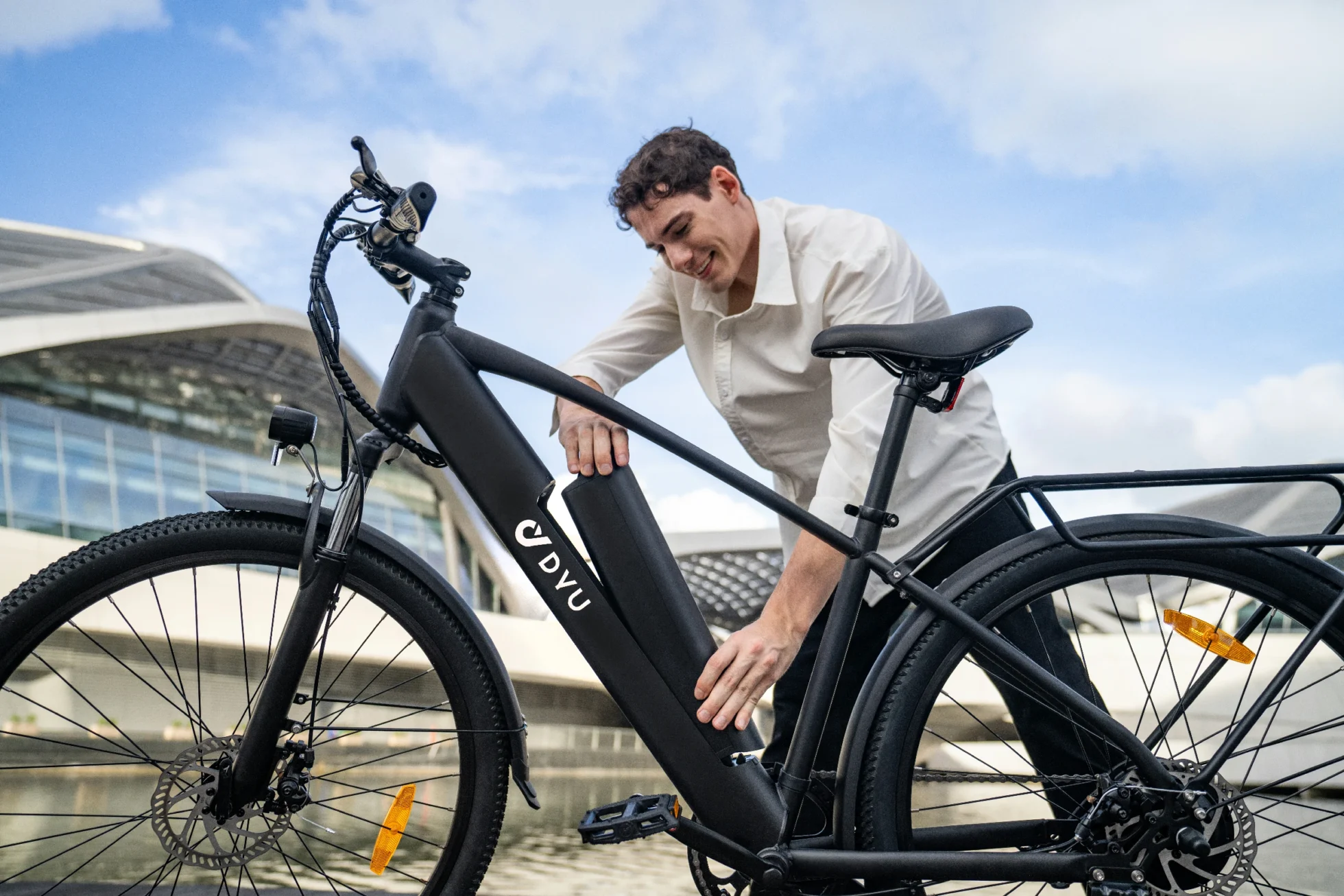
A tyre that mounts on the rim can still be too large for the bicycle. Look at the fork, frame, mudguards and any nearby fittings. Consider the space needed for normal wheel movement and the conditions the bicycle is designed to handle.
Schwalbe’s tyre-dimension guidance notes that fitted dimensions and tyre-to-rim combinations need attention. A size label is not a guarantee of identical outside dimensions across different tyre models.
A commuter with close-fitting mudguards should be especially cautious about buying extra width on speculation. A tyre that appears to clear while the bike is stationary may leave too little working space. Follow the bicycle and mudguard manufacturers’ requirements rather than choosing an arbitrary clearance number.
Suppose your current tyre is satisfactory and your priority is avoiding downtime. A confirmed equivalent size and construction can be a better purchase than an ambitious width change. If you want a wider tyre for comfort, establish whether the wheel and frame permit it before spending money.
Do not bend stays, remove necessary fittings or alter a frame simply to make an unverified tyre fit. Ask a workshop to assess the proposed change. The cheap tyre becomes an expensive experiment when it also requires replacing parts that were working well.
Choose the Tube and Valve as Part of the Order
A new tyre does not automatically require a new tube, but it does require a compatible, sound one. Confirm the tube’s listed diameter and width range, valve type and valve length. Do not assume a tube described with a similar nominal wheel name covers the new tyre.
Park Tool’s tyre, wheel and tube fit guide explains the compatibility questions behind replacement purchases. Use it to understand the markings, then check the specifications of the particular items you are ordering.
- Photograph the current valve and note how much extends beyond the rim.
- Check that your pump head fits the intended valve.
- Confirm the tube’s size range rather than matching a package colour.
- Have damaged rim tape or a suspicious valve hole inspected.
- Check tubeless equipment as a complete approved system if you plan a conversion.
For a bicycle used on a 12 km daily commute, ordering the confirmed compatible spare tube at the same time may be worthwhile. It saves a second round of identification after a puncture. Label the packaging with the bike and wheel it fits instead of relying on memory.
Choose for Your Route, Load and Service Needs
After compatibility, decide what problem the replacement should solve. Frequent punctures, unsuitable tread and a worn casing are different problems. A purchase made without identifying the cause can reproduce the same frustration with a different label.
For paved commuting, consider a tyre intended for that use, with appropriate protection and load capability. For rougher routes, check that the bicycle itself is intended for the terrain before treating a more aggressive tread as an upgrade. Tyres cannot change a bicycle’s fundamental use limitations.
Be careful with claims about comfort and efficiency. More width can change ride feel, but the outcome also depends on pressure, construction and the approved wheel combination. Avoid expecting a specific range increase or speed improvement without applicable evidence.
Speed and e-bike suitability markings should be checked for the exact tyre version and the bicycle’s category. A family of tyres can contain different sizes and specifications. Ask for the full item reference, not just a marketing name shared by several variants.
For pressure, follow the compatible tyre, rim and bicycle instructions. A maximum pressure is a limit, not a universal target. If the instructions conflict or the required load cannot be supported within the permitted range, stop and obtain expert advice.
Three Buying Examples and the Tyre Questions to Ask
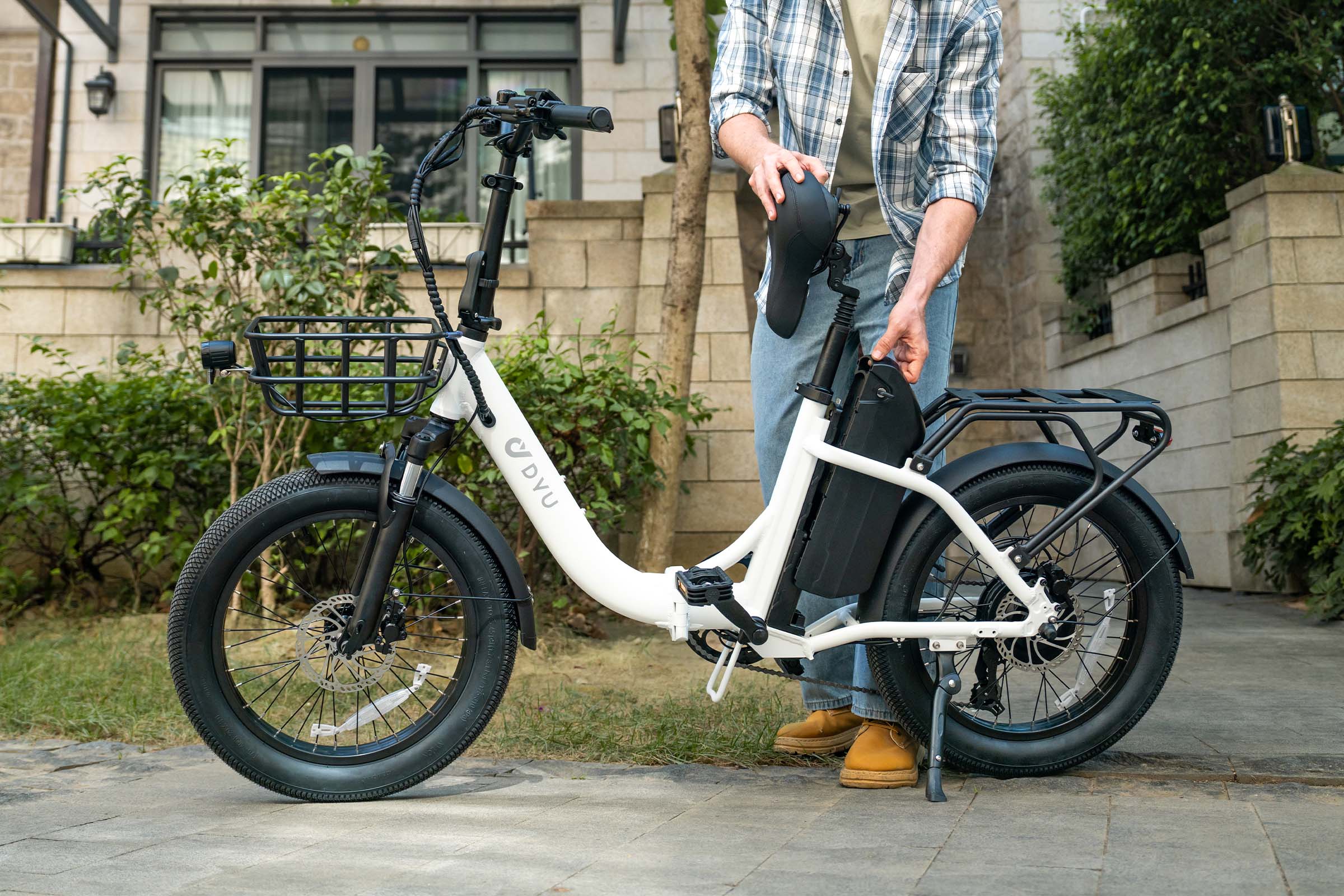
These current bikes show why replacement planning belongs in the original purchase decision. Prices were checked on 16 September 2026; confirm the specification and current price when ordering. The questions below are requests for information, not approved replacement-tyre prescriptions.
| Model | Current price | Useful question before buying |
|---|---|---|
| HITWAY BK6S L1 | €899.99 | The stated tyre size is 20 × 3.0. What exact ETRTO marking, rim model and replacement tyre are supplied for this version? |
| HITWAY BK15 Plus | €949.99 | The stated tyre size is 29 × 2.125. Can the seller confirm its full size code and clearance for an equivalent replacement? |
| HITWAY BK18 Pro | €1,149.99 | Request the fitted tyre markings, rim specification and wheel-removal instructions before selecting spares. |
The BK6S L1’s folding format may suit buyers who need compact storage, but its tyre width still requires a properly matched spare. The BK15 Plus may appeal to riders who prefer a larger-wheel format, but the nominal wheel label does not identify every suitable replacement.
The BK18 Pro’s belt drive may interest commuters trying to reduce chain-related upkeep. That does not remove tyre maintenance or establish a wheel-removal procedure. For all three, a specific, available replacement is more useful than a promise that “standard tyres” are easy to find.
Place the Order Only When the Details Agree
Before paying, compare the retailer’s item reference with your saved photographs and the manufacturer’s specification. Check that the listing is for the required size and construction, whether it includes a tube, and whether the quantity is one tyre or a pair.
For a straightforward like-for-like replacement, retain the old specification record and ask about fitting costs if you need workshop help. For a width or system change, budget for a compatibility assessment first. A tyre that needs further purchases to fit is not necessarily the cheaper option.
Once fitted, follow the manufacturer’s seating, inflation and inspection instructions before riding. If you see an uneven bead, contact with another part or an unexplained loss of pressure, stop and have the installation checked.
The best e-bike replacement tyres are the ones that satisfy the complete fit requirement and suit your route. Get the diameter right, verify the rim and clearance, then choose the features that matter for your riding. Keep the final specification so the next order takes minutes rather than another search through uncertain listings.
FAQs
Q1. Can I put any bicycle tyre on an e-bike?
No. The exact tyre must suit the rim, bicycle, load and intended use. Confirm compatibility rather than relying on a general e-bike label.
Q2. What does 50-622 mean on a tyre?
It indicates a nominal width of 50 mm and a bead-seat diameter of 622 mm. You still need to verify the rim-width combination and bicycle clearance.
Q3. Can I fit wider tyres to my electric bike?
Possibly, if the wheel and bicycle manufacturers permit the proposed size. Check rim compatibility and clearance before ordering, including space around mudguards.
Q4. Are 28-inch and 29-inch tyres interchangeable?
Many share a 622 mm bead-seat diameter, but the names alone do not establish compatibility. Compare the full size code, width and approved wheel combination.
Q5. Do I need a new inner tube when changing tyres?
Not always, but the existing tube must be undamaged and cover the new tyre’s size. Check valve suitability too, and replace any questionable component before riding.


