
Electric Bike & Scooter Blog
5 E-Bikes Compared: Battery, Fit and Value

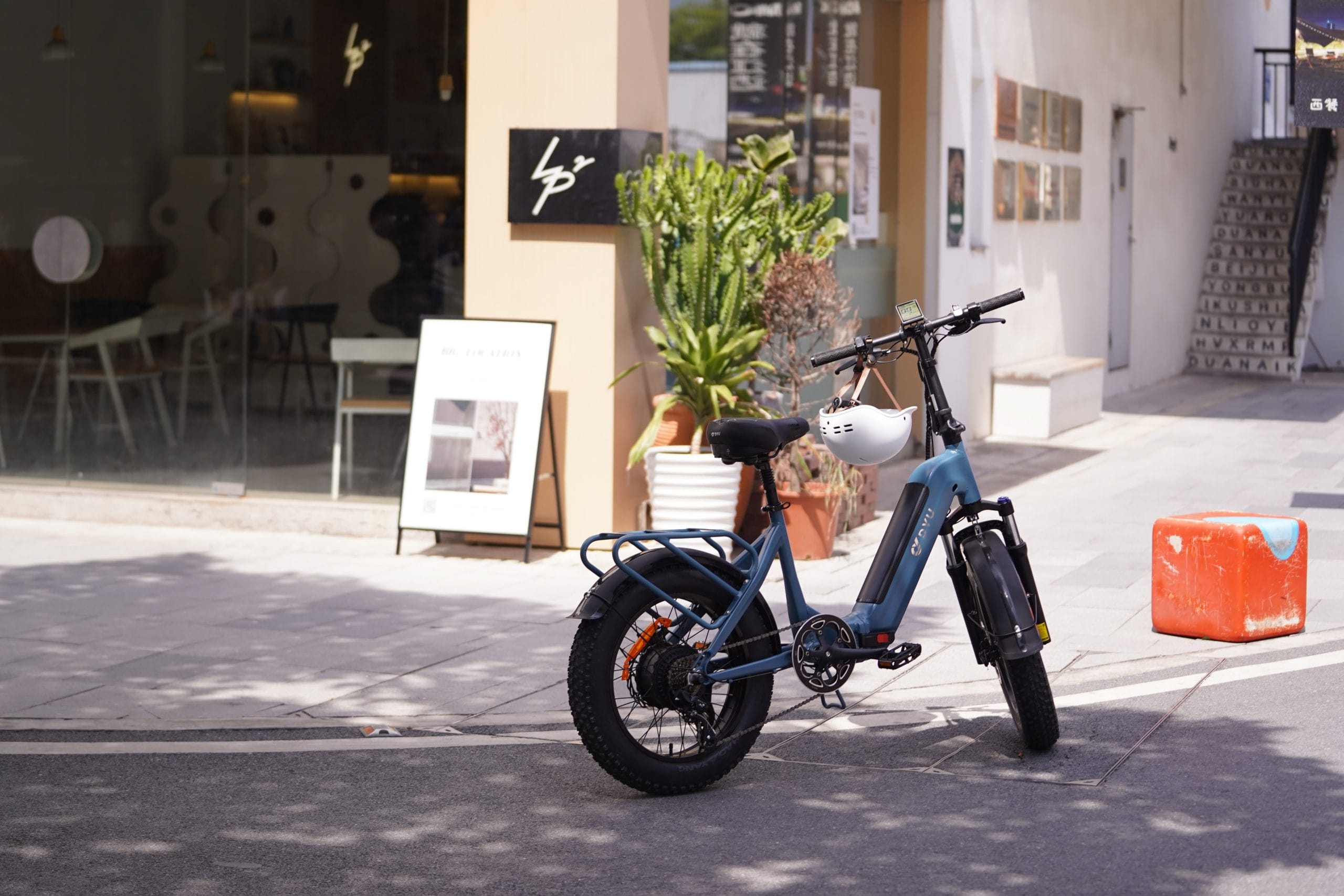
With these 5 e-bikes compared side by side, one detail stands out: their battery specifications are much closer than their prices suggest. The HITWAY BK15 4.0, DYU FF500, Eskute V100, AMYET EB26 and Ridstar MINI30 also differ in wheel size, riding position and the amount of information available before purchase. A useful shortlist needs to explain those differences rather than rank the largest motor number first.
This is a five-brand specification comparison using the current product listings checked on 15 September 2026. We have not conducted a common-route riding test, so there are no invented braking scores, measured range results or claims of long-term ownership. Prices are displayed in euros; confirm the delivered total and the exact configuration for your destination.
Quick picks: five different reasons to shortlist
| Model | Displayed price | Reason to consider it | Main question before buying |
|---|---|---|---|
| HITWAY BK15 4.0 | €949.99 | 26 × 4.0-inch tyres with 748.8 Wh nominal battery energy | Does the full-size format fit your storage and riding needs? |
| DYU FF500 | €1,199 | 20-inch format with published weight, load and suspension details | Are those practical details worth the highest price here? |
| Eskute V100 | €530.19 | 16-inch wheels and a compact-looking, moped-style layout | Does the seating position fit, and what exact configuration is supplied? |
| AMYET EB26 | €502.84 | Lowest displayed price with 720 Wh nominal battery energy | What are the brake, weight and road-use specifications? |
| Ridstar MINI30 | €505.43 | 20 × 4-inch tyres and 748.8 Wh at a low displayed price | Can the supplier confirm fit, battery support and vehicle classification? |
These are conditional shortlist positions, not an overall podium. A bike that cannot be used on your intended route, stored at home or serviced locally should fall off the list even if its specification looks attractive. All five listings were available to purchase when checked, but availability alone does not establish local road eligibility.
Our comparison method: usable value before headline power
We apply the same five questions to every model: what does it cost, how much nominal battery energy is specified, does the physical format suit the rider, how clearly are the essential components documented, and what remains to be confirmed about ownership and intended use? Missing information is marked as a question, not silently replaced with a guess.
This approach avoids two common mistakes. First, motor labels may describe peak or rated power, and the distinction is not consistently stated in these listings. Second, an advertised range is not a controlled comparison. Without the same rider, route and assistance settings, a longer distance claim cannot fairly become a higher test score.
| Specification | HITWAY BK15 4.0 | DYU FF500 | Eskute V100 | AMYET EB26 | Ridstar MINI30 |
|---|---|---|---|---|---|
| Battery | 48 V, 15.6 Ah | 48 V, 14 Ah | 48 V, 13 Ah | 48 V, 15 Ah | 48 V, 15.6 Ah |
| Calculated nominal energy | 748.8 Wh | 672 Wh | 624 Wh | 720 Wh | 748.8 Wh |
| Wheel/tyre listing | 26 × 4.0 inches | 20 inches; fat tyres | 16 inches | 26 inches | 20 × 4 inches |
| Motor power label | Not specified in the listing used | 500 W | 1,500 W | 1,500 W | 1,500 W |
| Published range | Up to 120 km | 70 km | Not specified | Not specified | Not specified |
| Published bike weight | Not specified | 31 kg | Not specified | Not specified | Not specified |
| Brake detail in the listing | Disc brakes | Disc brake | Confirm exact system | Confirm exact system | Confirm exact system |
Nominal energy is calculated as volts multiplied by amp-hours. It is not measured usable energy or a prediction of kilometres. A power label without a rated/peak distinction should not be used to establish legal classification or an exact performance advantage. Likewise, “disc brake” does not tell us whether the system is hydraulic or mechanical.
HITWAY BK15 4.0: the full-size fat-tyre shortlist
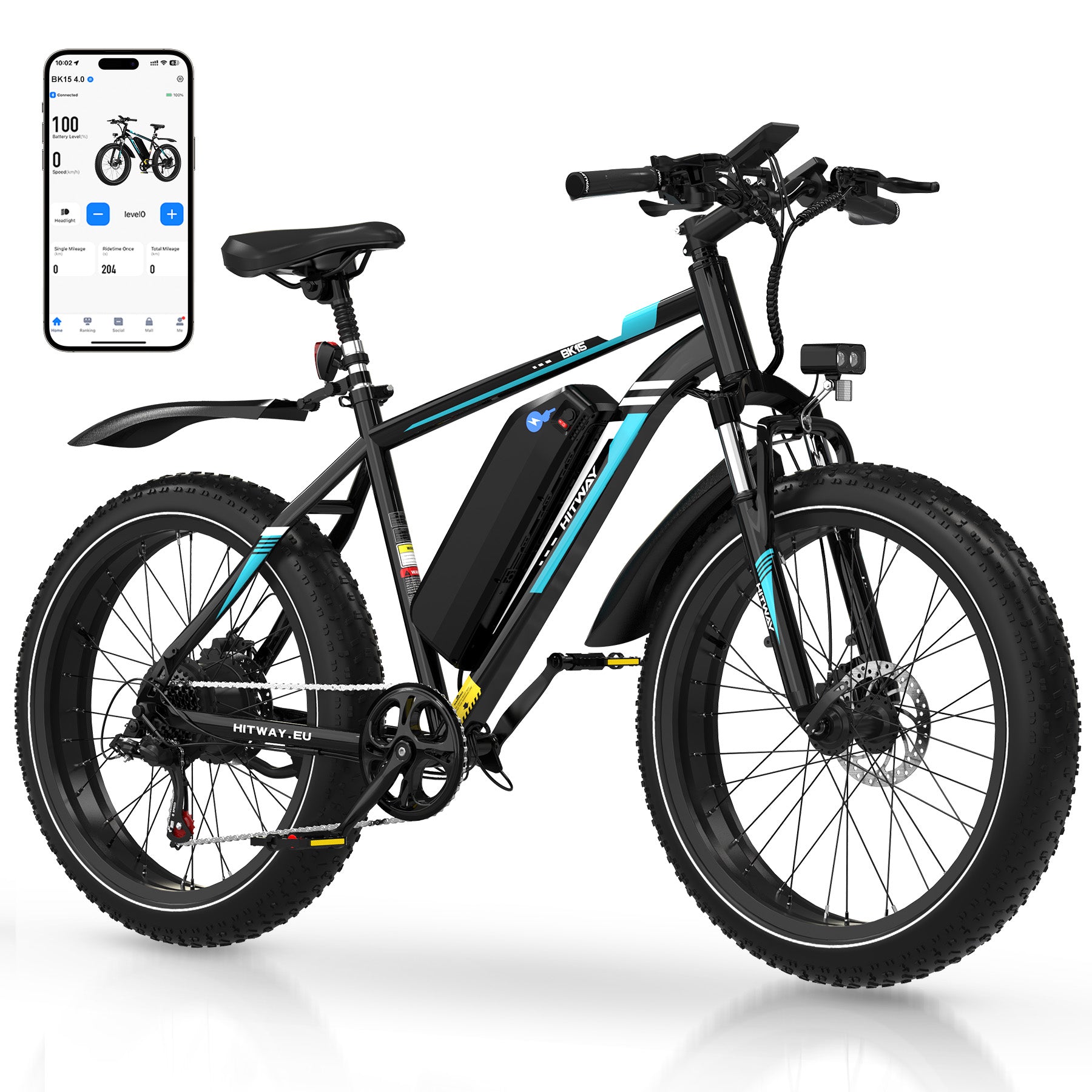
At €949.99, the HITWAY BK15 4.0 sits between the lower-priced trio and the FF500. Its clearest defining feature is the explicitly listed 26 × 4.0-inch tyre size. If you want a full-size wheel format with wide tyres, this is the most clearly documented example of that combination in the group.
The 48 V, 15.6 Ah battery provides 748.8 Wh of calculated nominal energy, matching the Ridstar on this measure. HITWAY also publishes an up-to-120 km range claim and 70 Nm of motor support. Neither figure establishes a result against the other bikes because the range conditions and torque measurement basis are not shared across the listings.
Strengths: clear tyre dimensions, substantial stated battery capacity and a published disc-brake specification. The format is worth investigating for riders who prefer a conventional full-size bicycle shape and have space for it. The battery figure gives a useful comparison point without needing to rely on the range headline.
Tradeoffs: the listing used here does not establish the bike’s weight, exact motor power classification or brake subtype. A 26-inch wheel description also tells you little about frame reach or minimum saddle height. Ask for those details before assuming the bike is comfortable to carry, fits a shorter rider or qualifies for a particular route.
Our view: shortlist the BK15 4.0 for its documented full-size fat-tyre format. Skip it if your essential requirement is a confirmed low carrying weight or a compact storage arrangement and the seller cannot provide the measurements you need.
DYU FF500: more practical information, a higher asking price
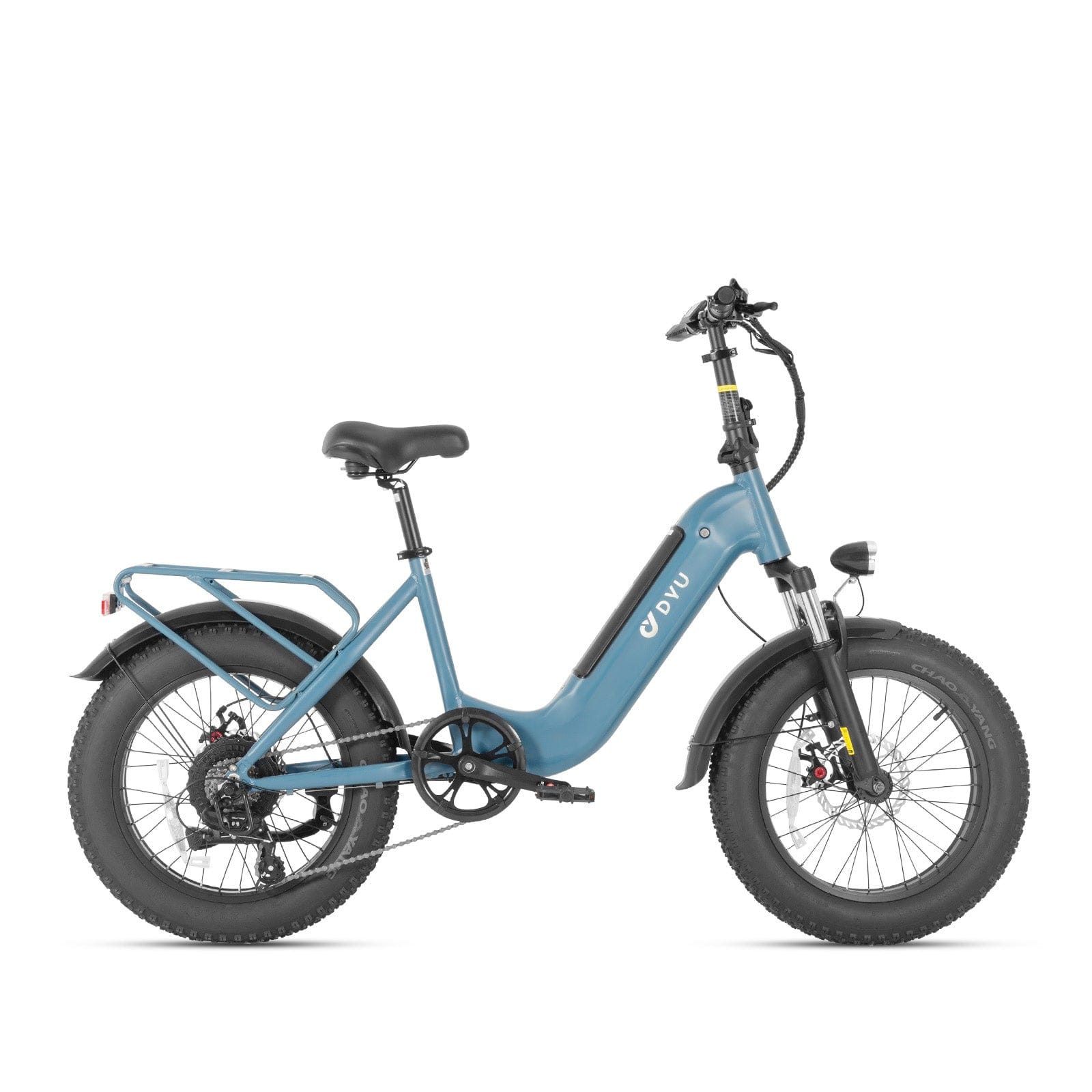
The DYU FF500 costs €1,199, the highest displayed price in this comparison. It lists a 500 W motor, a 48 V, 14 Ah battery, 20-inch wheels and fat tyres. Its calculated nominal battery energy is 672 Wh, so the extra price does not buy the largest battery in this group.
What makes the FF500 useful to assess is the presence of several practical specifications: a 31 kg bike weight, a stated 150 kg load capacity, disc brakes, and front-fork and seat suspension. Those details help a buyer ask concrete storage and fit questions. They do not prove superior component quality or reliability.
Strengths: the 20-inch format and available weight information make it easier to begin planning storage and transport. The published suspension arrangement provides a clearer starting point for a comfort discussion than an unspecified feature label. The stated load figure can be checked against the rider and luggage requirement.
Tradeoffs: 31 kg is still substantial if stairs or frequent lifting are involved. The listing does not establish the brake subtype, and its 70 km range claim is not directly comparable with HITWAY’s claim. The listed 500 W motor and 32 km/h maximum speed also mean you must confirm the supplied vehicle’s classification before assuming ordinary European pedelec access.
Our view: shortlist the FF500 if its fit and documented practical details meet your needs and the higher price is acceptable. Skip it if your main objective is the most stated battery capacity for the lowest purchase price. On that narrow measure, several alternatives have a stronger specification-to-price proposition.
Eskute V100: a smaller wheel format with different fit questions
The Eskute V100 is listed at €530.19 with 16-inch wheels, a 48 V, 13 Ah battery and a 1,500 W motor label. The battery corresponds to 624 Wh, the smallest nominal energy figure here. Its layout differs visibly from the more conventional bicycle shapes in the comparison, making rider position especially important.
A smaller wheel does not automatically produce a smaller usable cockpit or a lower seat. If you are attracted to the V100’s compact-looking format, ask for actual dimensions and try the seating position. Check whether the saddle and handlebar arrangement allows comfortable pedalling over the distances you intend to cover.
Strengths: a comparatively low displayed price and a distinctive 16-inch format. The listing identifies a suspension-equipped frame, which gives you a feature to investigate in a demonstration. For a rider deliberately seeking this style for a suitable riding setting, it deserves consideration.
Tradeoffs: the battery is smaller on the stated numbers, while range, brake specification and weight remain unconfirmed in the information used here. The motor label and advertised speed require careful configuration and access checks. A low price does not resolve those questions.
Our view: consider the V100 for its particular layout, not as a default city-commuting recommendation. Skip it if you need a thoroughly documented daily transport setup and cannot obtain the missing fit, brake and classification details before purchase.
AMYET EB26: the lowest displayed price
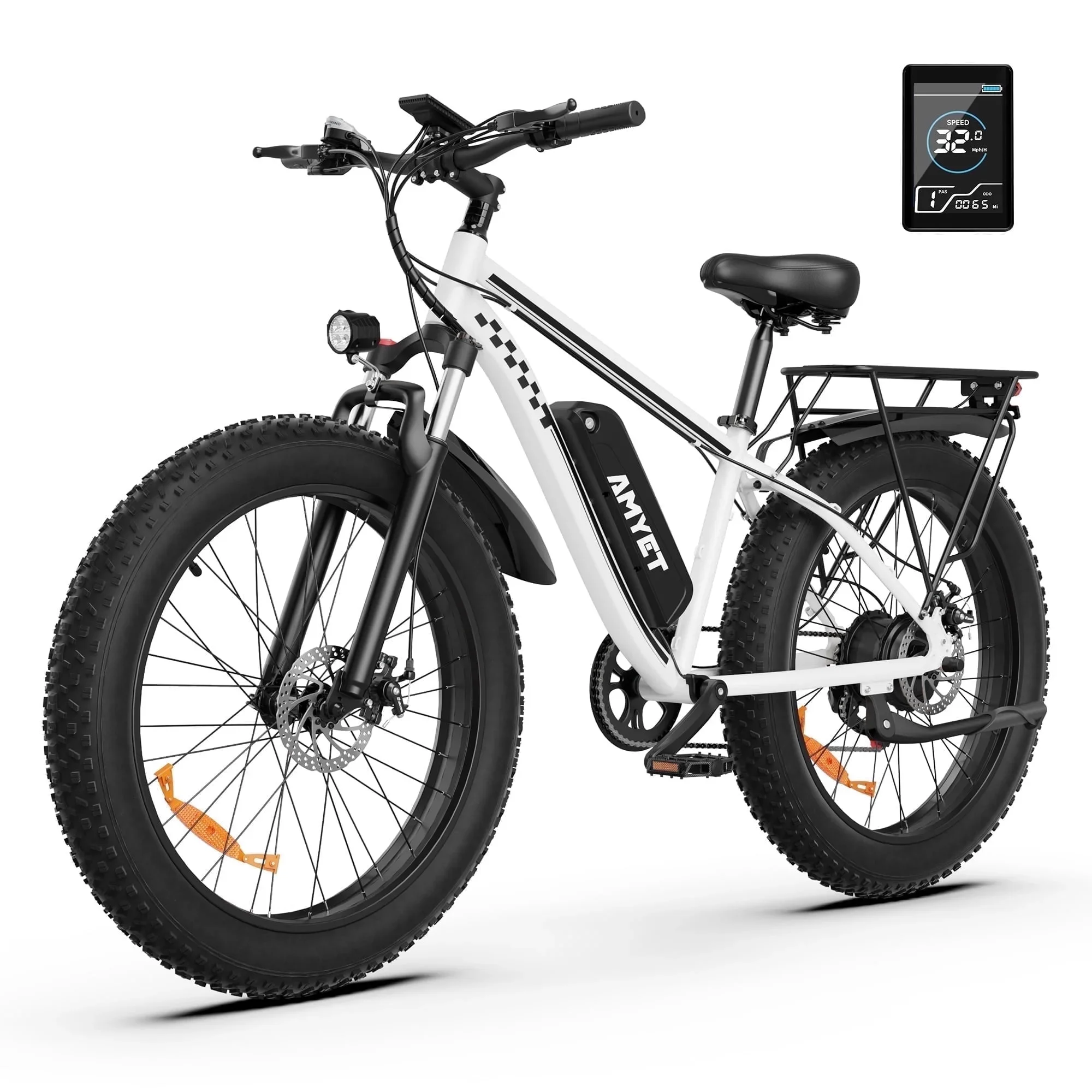
At €502.84, the AMYET EB26 is the least expensive of the five at the time of checking. It combines a 26-inch wheel listing with a 48 V, 15 Ah battery, equivalent to 720 Wh nominal energy. That puts its stated energy between the FF500 and the two 748.8 Wh models.
The price is only €2.59 below the Ridstar MINI30. Such a small difference should not drive the decision. Frame fit, wheel format, delivered configuration and access to service are all more consequential. A slightly cheaper bike becomes poor value if it is awkward to use or if a common replacement part cannot be obtained.
Strengths: the lowest checked entry price, a full-size wheel diameter and a battery specification that is easy to compare. Those give a budget-focused buyer a sensible starting point for further questions. The 1,500 W label may attract attention, but it is not the reason we give the bike a shortlist position.
Tradeoffs: the listing does not give enough information to establish weight, braking hardware or a comparable range. Exact tyre width should also be confirmed rather than inferred from a photograph. Its vehicle category and power label should be clarified for the intended use.
Our view: the EB26 is the price-led option to investigate. Skip it if the supplier cannot answer the essential ownership and configuration questions. The small saving over Ridstar is not enough to compensate for a less suitable fit or uncertain support.
Ridstar MINI30: battery capacity and 20-inch fat tyres at a low price
The Ridstar MINI30 is listed at €505.43 with 20 × 4-inch tyres and a 48 V, 15.6 Ah battery. Its 748.8 Wh calculated nominal energy matches the HITWAY, while its smaller wheel format creates a different storage and riding proposition. On price, tyre specification and stated energy alone, it is an interesting value candidate.
That statement has a deliberately limited scope. Matching battery energy does not mean matching range, cell quality, service life or warranty support. The 1,500 W motor label also lacks the consistent rated/peak context needed for a fair performance ranking against every other bike.
Strengths: a clearly specified 20 × 4-inch tyre size, one of the largest nominal battery figures in the group and a low displayed price. A buyer who specifically wants this wheel format has a more concrete reason to compare it with the FF500 than the motor number alone.
Tradeoffs: weight, brake hardware and usable fit measurements need confirmation. The published speed and power information must be matched to the exact supplied configuration and the rules for your riding location. “MINI” in the model name should not be treated as a promise of easy carrying.
Our view: shortlist the MINI30 for its battery-and-tyre specification at the checked price, subject to satisfactory answers on support and intended use. Skip it if those answers remain vague or if you need a confirmed lightweight bike.
Battery value: the close numbers are more useful than the big claims
The range from 624 Wh to 748.8 Wh represents a 20% difference in stated nominal energy between the smallest and largest packs here. The price difference between the least and most expensive bikes is much larger. That tells us price is not explained by battery capacity alone; it does not tell us which battery is better built.
Do not turn capacity divided by price into a complete quality score. Battery replacement availability, compatible charging equipment, documentation and support can matter over the life of the bike. Ask for the exact replacement pack identifier and a current replacement quotation. A bargain initial price is less useful if the bike becomes difficult to maintain.
For your commute, calculate the round-trip distance between realistic charging opportunities, then leave a reserve. Published maximum range is a poor substitute for that plan. Terrain, assistance level, rider input, load and weather can all change the distance achieved from the same nominal energy.
Before buying: route access, fit and service
For European road use, do not assume that a bike sold in euros is an ordinary pedelec. The European Commission’s explanation of Article 2(2)(h) of Regulation (EU) No 168/2013 describes the pedal-assistance exclusion using a maximum continuous rated power of 250 W and assistance that cuts out when pedalling stops and before 25 km/h. Several headline specifications here do not establish that configuration. Confirm the exact vehicle category and national requirements; a speed setting alone is not proof of compliance.
Next, check fit and storage with measurements. Ask for minimum saddle height, reach, overall dimensions and actual weight. Include luggage and accessories in the load calculation. A fat tyre may fit poorly in a narrow stand or car-rack tray even when the frame fits the rider.
Finally, identify a service route. Rad Power Bikes’ maintenance guidance is a useful manufacturer reference for the kinds of checks an e-bike requires, though you should use the chosen bike’s own intervals and instructions. Ask who supplies its pads, tyres, drivetrain parts and electrical diagnostics.
Pedalling comfort also deserves a test. Trek’s guide to using bicycle gears explains how gearing helps manage effort. For these models, ask for the actual gear setup and try an appropriate low gear. A large motor label does not tell you whether the bike remains comfortable to pedal when assistance is reduced.
Final recommendation: choose a format, then close the information gaps
Start with HITWAY BK15 4.0 if a clearly specified full-size fat-tyre format is the priority. Consider DYU FF500 if its 20-inch layout and published practical specifications suit you and you accept the higher price. Investigate Eskute V100 when its particular small-wheel, moped-style arrangement is the feature you actually want.
For a price-led shortlist, AMYET EB26 has the lowest checked display price, while Ridstar MINI30 combines a similar price with explicitly listed 20 × 4-inch tyres and a slightly larger nominal battery. Choose between them on fit, supplied configuration and support rather than the €2.59 difference.
There is no defensible universal winner from these listings alone. The best purchase is the bike that meets your route, fit, storage and service requirements with those details confirmed before payment.
Frequently asked questions
Which bike has the largest battery in this comparison?
HITWAY BK15 4.0 and Ridstar MINI30 tie at 748.8 Wh of calculated nominal energy from their 48 V, 15.6 Ah specifications. This does not establish equal real-world range or battery quality.
Which is the cheapest?
AMYET EB26 had the lowest displayed price at €502.84 on 15 September 2026. Ridstar MINI30 was €505.43. Confirm delivery, taxes, configuration and current offers before comparing final totals.
Does a 1,500 W label make a bike the best hill climber?
No. The rated/peak distinction, gearing, controller behaviour, traction, total load and thermal limits all matter. These listings do not provide a controlled climbing test, so the label alone cannot establish a winner.
Are all five suitable for ordinary European cycle routes?
That has not been established. Several published power and speed figures require further classification checks. Confirm the exact supplied configuration and the rules for your destination before buying for public-road or cycle-route use.
Why are there no numerical ride scores?
A numerical score would imply comparable evidence for braking, comfort and handling that we do not have. This assessment instead applies the same buying criteria to each model and identifies what still needs confirmation.


