
Electric Bike & Scooter Blog
E-Bike Spare Parts Availability: A Buyer Checklist

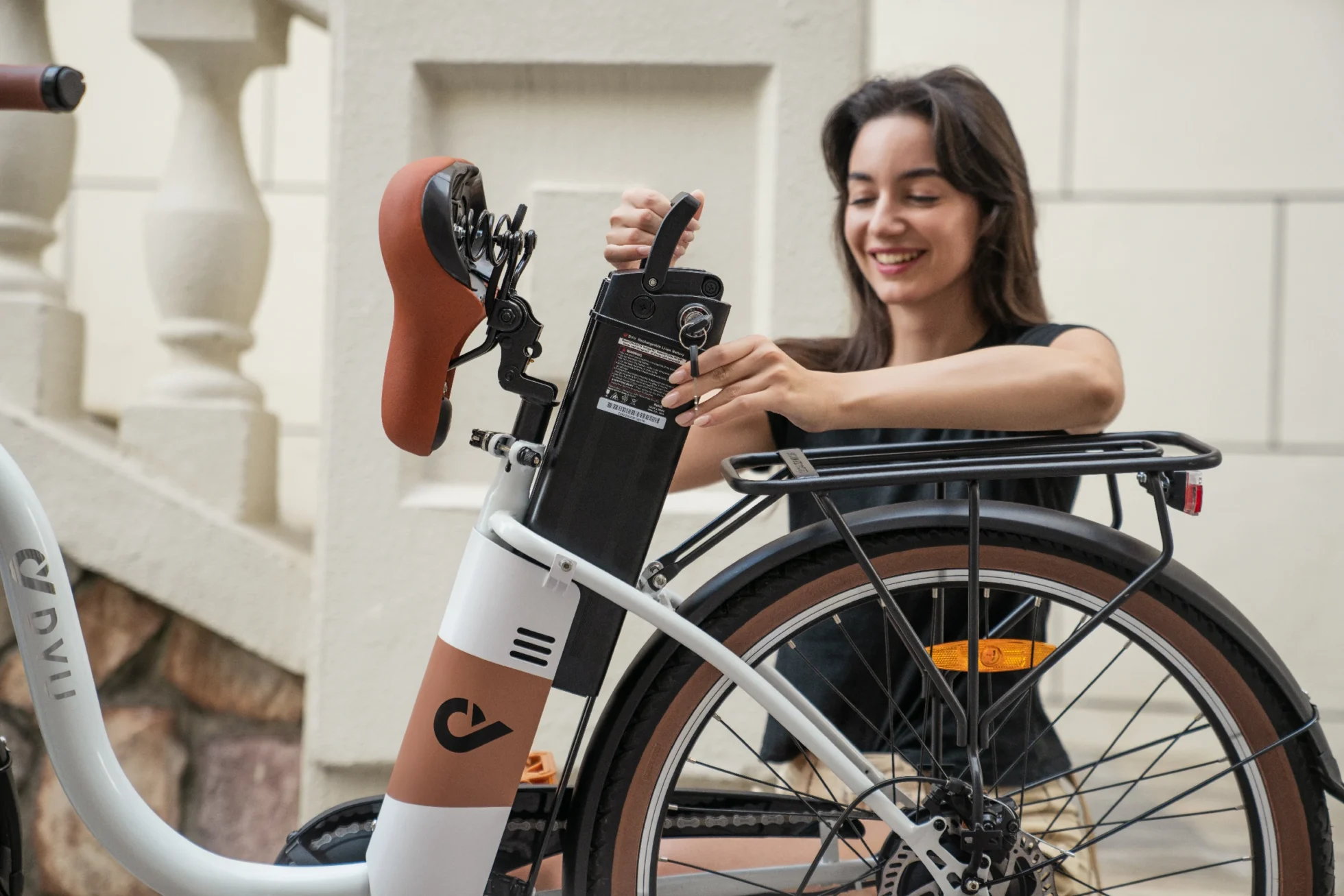
E-bike spare parts availability deserves a place beside range, weight and price on a buying checklist. A bike can suit a 12 km commute perfectly and still be inconvenient to own if a broken display bracket or an unavailable battery mount keeps it parked. The useful question is not whether a seller offers “support,” but what happens when a specific component needs replacing.
Start with a small sample of parts and ask for concrete answers before paying. You do not need to become a mechanic or collect a cupboard of spares. You need enough information to judge whether ordinary wear and a plausible repair have a workable route.
E-Bike Spare Parts Availability: Separate Three Kinds of Part
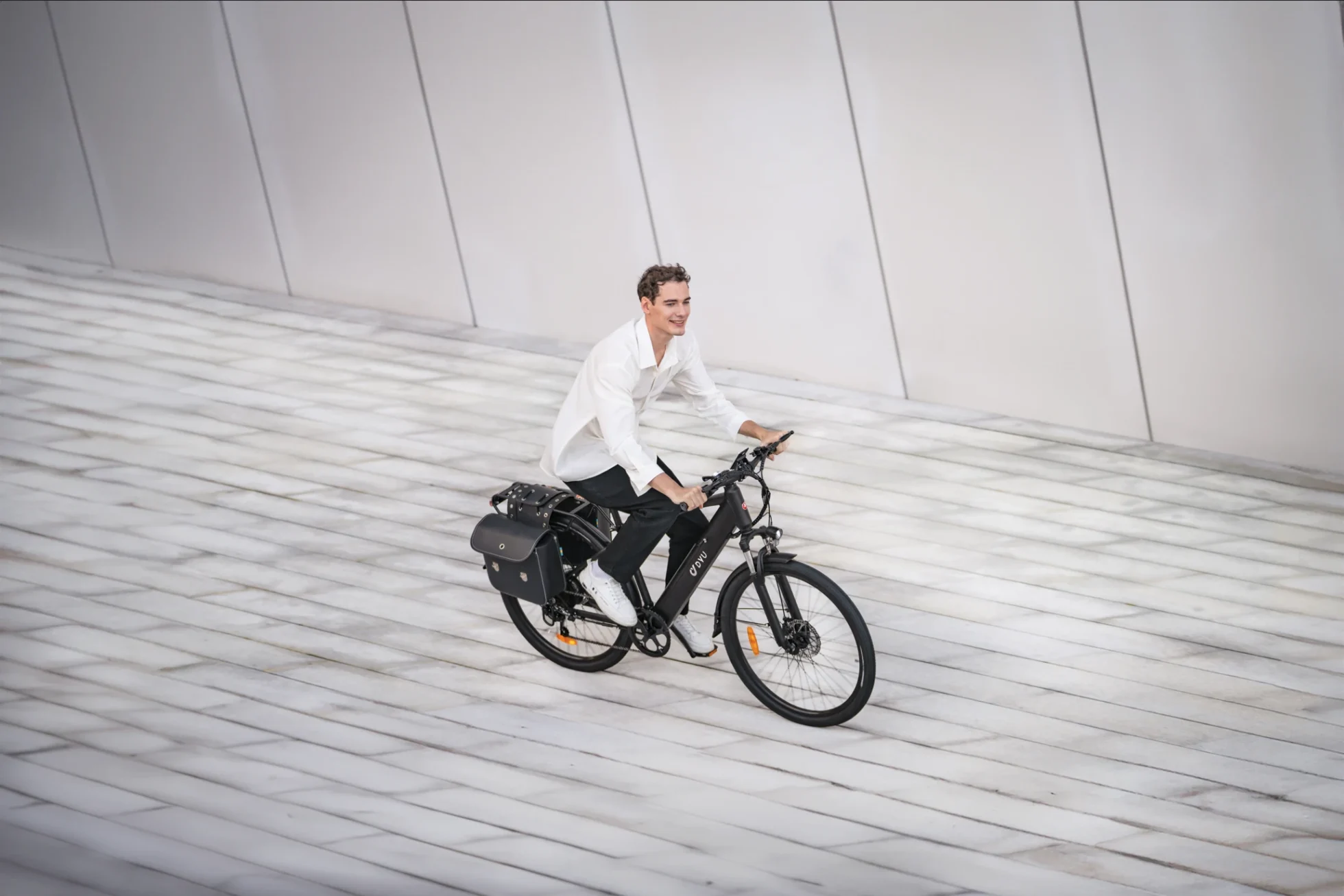
First come routine wear items: tyres, tubes, brake pads, chains and other transmission parts. Some have widely available alternatives, but dimensions and exact component compatibility still matter. “Standard bicycle part” should start a check, not end it.
Next are model-specific mechanical pieces, such as a folding latch, battery rail, unusual mudguard bracket or derailleur hanger. A small component may be inexpensive while still being difficult to substitute. Find out whether the seller can identify it separately or supplies it only with a larger assembly.
Finally, there is the electrical system: battery, charger, controller, display, sensors and wiring. Do not assume a matching plug or nominal voltage establishes interchangeability. Ask who can confirm a replacement for the bike’s exact version.
| Part group | Example question before buying | Useful evidence |
|---|---|---|
| Routine wear | Which exact brake pad and tyre sizes are fitted? | Component codes, dimensions and a compatible replacement listing |
| Model-specific mechanical | Can I order the latch or hanger separately? | Part number, diagram and an order route |
| Electrical | Which battery and display match this version? | Written compatibility confirmation and approved replacement identity |
| Service | Who diagnoses and installs the replacement? | Named workshop or a clear repair arrangement |
| Delivery | Is the part physically available now? | Stock location, dispatch estimate and full delivered cost |
This grouping helps expose different ownership risks. Easy access to inner tubes says little about battery availability. Equally, a proprietary electrical system does not automatically make routine mechanical servicing difficult. Judge the actual parts and service arrangement.
Ask for an Exact Identity, Not Just a Brand Name
A description such as “Shimano gears” does not identify every part in the transmission. Ask for the model code on the relevant component and any information needed to match it. Component series, speed count and the bike’s production revision may all affect the answer.
Shimano’s technical document library is an example of an official place to look for component-specific documentation. An exploded view can help identify a small service part, but a drawing is not proof that a retailer has it in stock. Keep identification and availability as two separate checks.
For tyres, record the ETRTO marking rather than relying only on a broad wheel-size name. Schwalbe explains that tyre and rim diameters must match and their widths must be compatible. Frame clearance also needs checking. A familiar size label alone cannot settle all of those conditions.
Before delivery, the seller can provide a specification or photograph. After delivery, keep your own component record because substitutions or revisions may exist. Ask about any difference you discover before ordering the spare, rather than assuming an older photograph describes your bike exactly.
Test One Realistic Repair Before You Buy
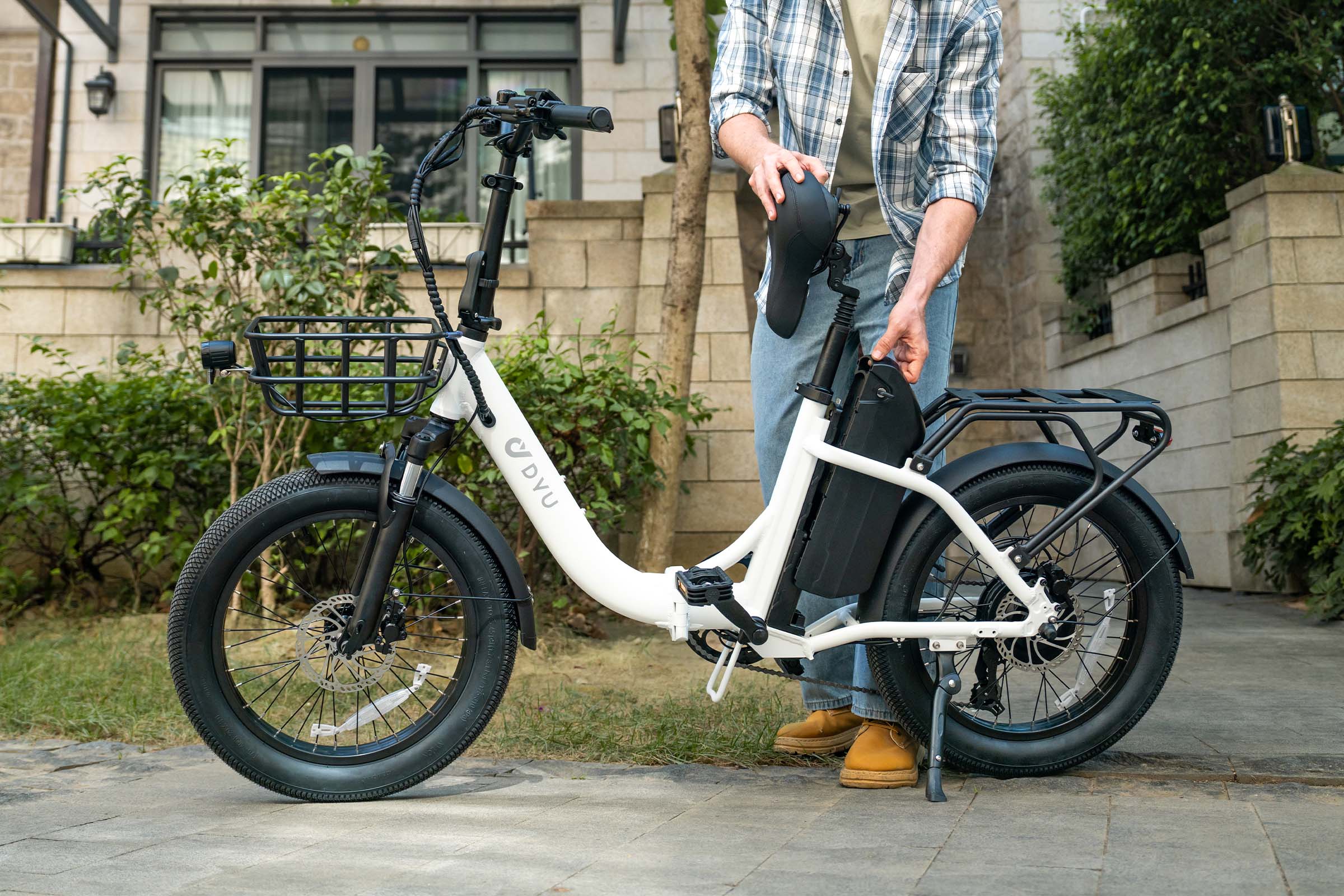
Pick three representative questions: one wear item, one model-specific part and one electrical replacement. For a folding bike, the second question might concern the folding mechanism. For a commuter with an integrated rack, it might concern a bracket damaged while parking.
A useful request is specific: “For this model and version, please identify the replacement brake pads, battery and display, including current order links or part numbers.” Add the country where you will use the bike. A part available elsewhere is not necessarily available through a practical local route.
Read the reply for what it establishes. A part number answers identification. A current listing adds a purchase route. A dispatch estimate and shipping cost improve planning. None of these alone promises that the part will remain available indefinitely.
Ask what happens if the part is temporarily unavailable. Is there an approved alternative, a wait for replenishment or a larger assembly that must be purchased? An honest explanation of a delay is more useful than an unqualified promise that “everything is available.”
You can also ask whether a local workshop is willing to service the model. Separate normal mechanical work from electrical diagnosis. A shop may be happy to replace a tyre yet lack access to the tools or information needed for a controller fault.
Keep Electrical Compatibility and Repair Responsibility Clear
A replacement battery decision is more than a capacity comparison. Request confirmation for the complete pack, mounting arrangement and electrical system. Avoid treating an apparently similar case or connector as a compatibility test.
The US Consumer Product Safety Commission’s charging guidance advises using the supplied charger. For a replacement, ask the manufacturer to identify the correct approved unit. This is a charging precaution, not a claim that every electrical system follows the same technical specification.
For displays and controllers, ask whether setup, programming or pairing is required and who performs it. A parcel containing the correct-looking component may still leave an unfinished repair. Include diagnosis and installation when comparing the total cost.
Keep the existing system intact while seeking advice. Buying an unverified electrical component and trying it to see whether it works is not a substitute for confirmation. If a part cannot be identified, the next step is to resolve that uncertainty with the seller or a qualified repairer.
Compare the Whole Repair Cost and the Likely Downtime
Use a simple hypothetical budget to understand the tradeoff. A €30 part with €20 delivery and €60 installation totals €110. Those figures are an illustration, not current service prices. A cheaper item may cease to be cheaper once the complete repair is considered.
Downtime matters differently to different riders. Someone with alternative transport may accept a longer parts wait than a rider who depends on the bike every weekday. Add likely backup travel costs to your own planning without pretending that a current estimate predicts every future repair.
Ask whether a faulty component must be returned before a replacement is dispatched and who arranges that process. The relevant answer belongs in the seller’s written terms for your purchase. Do not infer it from a general warranty headline.
Availability today and a future support commitment are different things. If a seller promises a support period, ask which components and versions it covers and whether the promise is documented. If no fixed period is offered, record that honestly rather than filling the gap with an assumption.
Turn Three Current Models into Specific Parts Questions
The following models illustrate different questions to ask before choosing. Prices are those listed at the time of writing. Their features create useful compatibility checks; they do not establish that a particular spare is currently stocked.
| Model | Current price | Listed feature | Question to resolve |
|---|---|---|---|
| HITWAY BK18 Pro | €1,149.99 | Belt drive and a 36 V 10.4 Ah battery | Which belt, matching drive parts and replacement battery fit this exact version? |
| HITWAY BK6S L1 | €899.99 | Folding format and a 36 V 15.6 Ah battery | Can the folding hardware, battery rail and approved pack be ordered separately? |
| HITWAY BK15 Plus | €949.99 | 48 V 15.6 Ah battery and 748.8 Wh stated capacity | What are the exact pack, charger and display replacement references? |
The BK18 Pro is worth examining if belt-drive upkeep suits your routine, but obtain the replacement belt specification and service route first. The BK6S L1 may suit a storage problem that requires folding, while making the condition and availability of folding hardware particularly relevant. The BK15 Plus gives a different battery specification to investigate; greater stated capacity does not remove compatibility checks.
None should win a serviceability comparison from this table alone. Ask the same questions for any other model on your shortlist, then compare the quality and completeness of the answers. A bike that fits your route still needs a repair arrangement that fits your circumstances.
Keep a Small Parts Record, Not a Warehouse
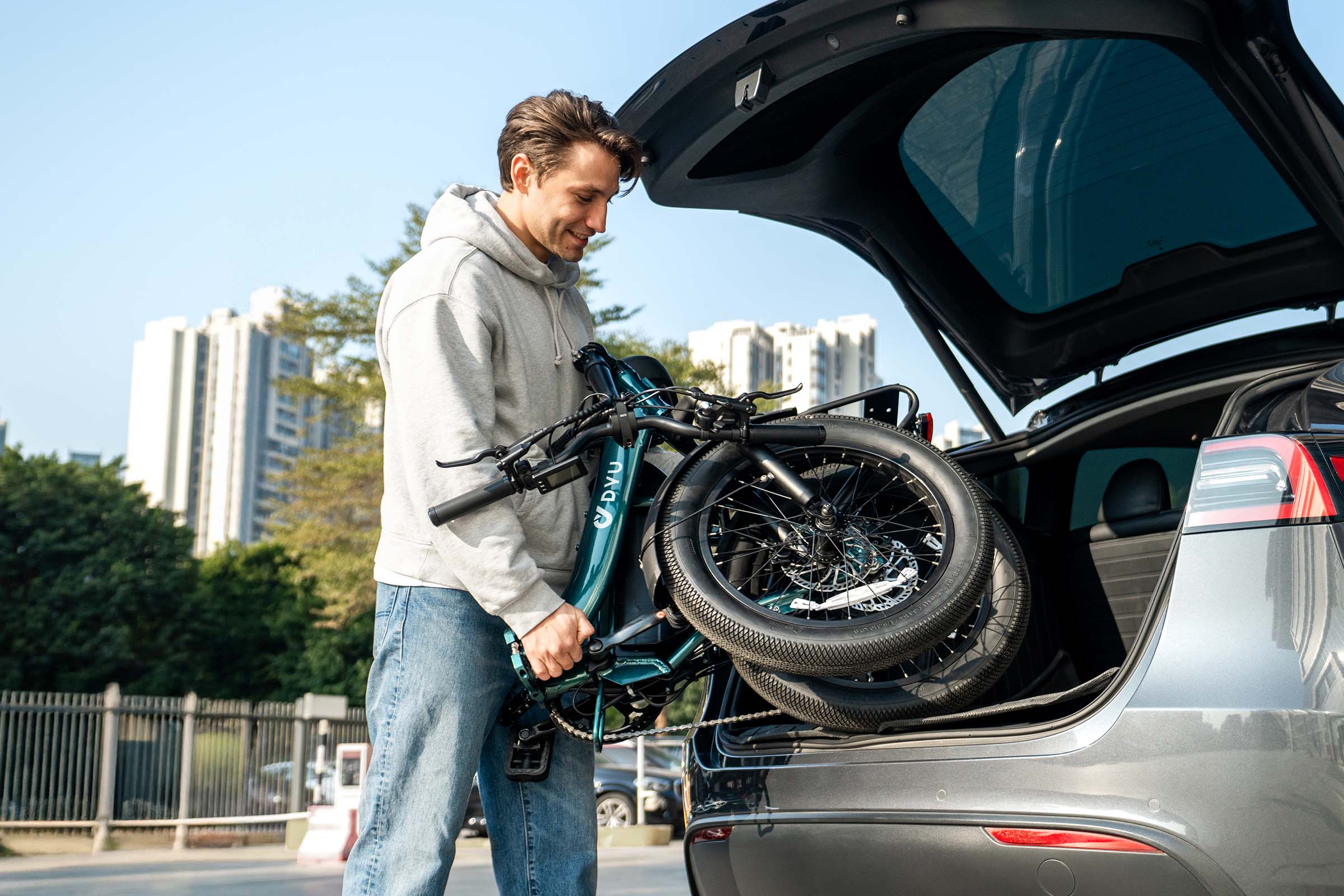
Save the purchase record, exact model and serial information, component photographs, manuals and written compatibility answers. Record any replacement already fitted so a future order is based on the current bike. Store this information privately rather than posting serial details publicly.
A compatible tube or other modest wear item may be useful if you can fit it properly or have service help. Buying expensive electrical spares before compatibility is confirmed is a different decision. Balance storage, cost and actual need instead of treating a large spare-parts pile as proof of preparedness.
For a commuter, the best outcome is a short and usable repair path: identify the part, obtain it, arrange installation and return the bike to normal use. For an occasional rider, the same process matters even if a longer wait is acceptable.
Make e-bike spare parts availability a purchase condition when the bike will be essential transport. If a seller cannot identify basic service parts or explain who handles a repair, leave that uncertainty unresolved on the comparison sheet. Choose only when the overall fit, cost and support arrangement make sense together.
FAQs
Q1. Are e-bike spare parts universal?
No. Some mechanical parts have widely available compatible options, while frame fittings and electrical components may be specific to a model or version. Confirm the exact part rather than relying on appearance.
Q2. Can I replace an e-bike battery with another brand?
Only use a replacement confirmed as compatible and approved for the exact system. Matching nominal voltage or case shape is insufficient. Ask the manufacturer to identify the correct pack and charger arrangement.
Q3. What spare parts should I check before buying?
Start with brake pads and tyres, a model-specific mechanical part, and the battery, charger and display. Ask for part references, an order route and installation requirements. Expand the list around your particular bike and usage.
Q4. Does a long warranty guarantee spare parts availability?
Do not assume it does. Read the terms and ask how repairs, replacement parts and delays are handled. A general duration does not explain every component or service arrangement.
Q5. Is it worth buying an e-bike with proprietary parts?
It can be, if the bike suits your needs and the support route is clear. Evaluate parts identification, compatibility, delivered cost, service access and tolerable downtime. Proprietary design alone does not settle the buying decision.


