
Electric Bike & Scooter Blog
E-Bike Saddle Comfort: Shape, Fit and Test Rides


E-bike saddle comfort can decide whether a new bicycle becomes everyday transport or something left in the hallway. A saddle that feels soft in a showroom may feel quite different after a sustained ride. The useful buying question is not simply how much padding it has, but whether its shape and position suit the way you actually sit and pedal.
Start with the complete bicycle and your expected route. A short upright trip to the shops and a longer, forward-leaning ride ask different things of the contact points. Motor assistance helps with effort, but it does not make an unsuitable saddle fit your body.
E-Bike Saddle Comfort Starts With Riding Position

Look at your normal posture with both hands comfortably on the grips and feet on the pedals. Do not copy a promotional photograph or adopt an exaggerated upright position just to test the saddle. The useful position is the one you can maintain while steering, braking and looking ahead.
Selle Royal’s riding-position explanation connects saddle selection with torso angle and how the rider rests on the seat. It is a practical reason to test a saddle on a similar bicycle rather than assuming the same model will feel identical on every frame.
Consider two hypothetical commutes: a 3 km journey in ordinary clothing with frequent stops, and a 15 km ride with longer seated sections. Neither automatically requires an expensive saddle, but the second offers more time for a poor fit to become obvious. Describe that intended use when asking for advice.
Before changing parts, check the broader fit using the frame size and reach guide. A saddle moved to compensate for excessive handlebar reach may create a different problem at the pedals. Treat the contact points as a connected setup.
Compare Shape and Support Before Softness
Pressing a thumb into foam tells you something about the material, but very little about support while pedalling. Width, profile and how the saddle meets your body all deserve attention. The largest or softest option is not automatically the most comfortable.
Brooks’ saddle FAQ explains how its shapes relate to riding position and why mounting systems also need checking. Use the chosen maker’s own sizing method. If a fitting includes sit-bone measurement, do not turn the result into a universal width rule by adding an arbitrary number of millimetres.
| Buying detail | Useful question | Weak shortcut to avoid |
|---|---|---|
| Width | Does the support area suit my posture and the maker’s sizing guidance? | Wider always means better |
| Profile | Can I sit naturally without constantly sliding? | All city saddles feel the same |
| Padding | Does support remain comfortable during a proper trial? | A soft thumb test proves long-ride comfort |
| Relief channel or cut-out | Does this shape suit me during a ride? | A visible opening guarantees comfort |
| Mounting | Are rails, clamp and adjustment range compatible? | Every replacement saddle fits every seatpost |
| Trial terms | Can I assess it in normal use under the seller’s conditions? | Any fitted saddle can automatically be returned |
A fitting measurement narrows the starting choices; it is not a verdict. Ask what to try next if the first suggested shape does not work. A retailer willing to explain that process provides more useful help than a promise that one saddle suits everyone.
Check Adjustment Before Buying Another Saddle
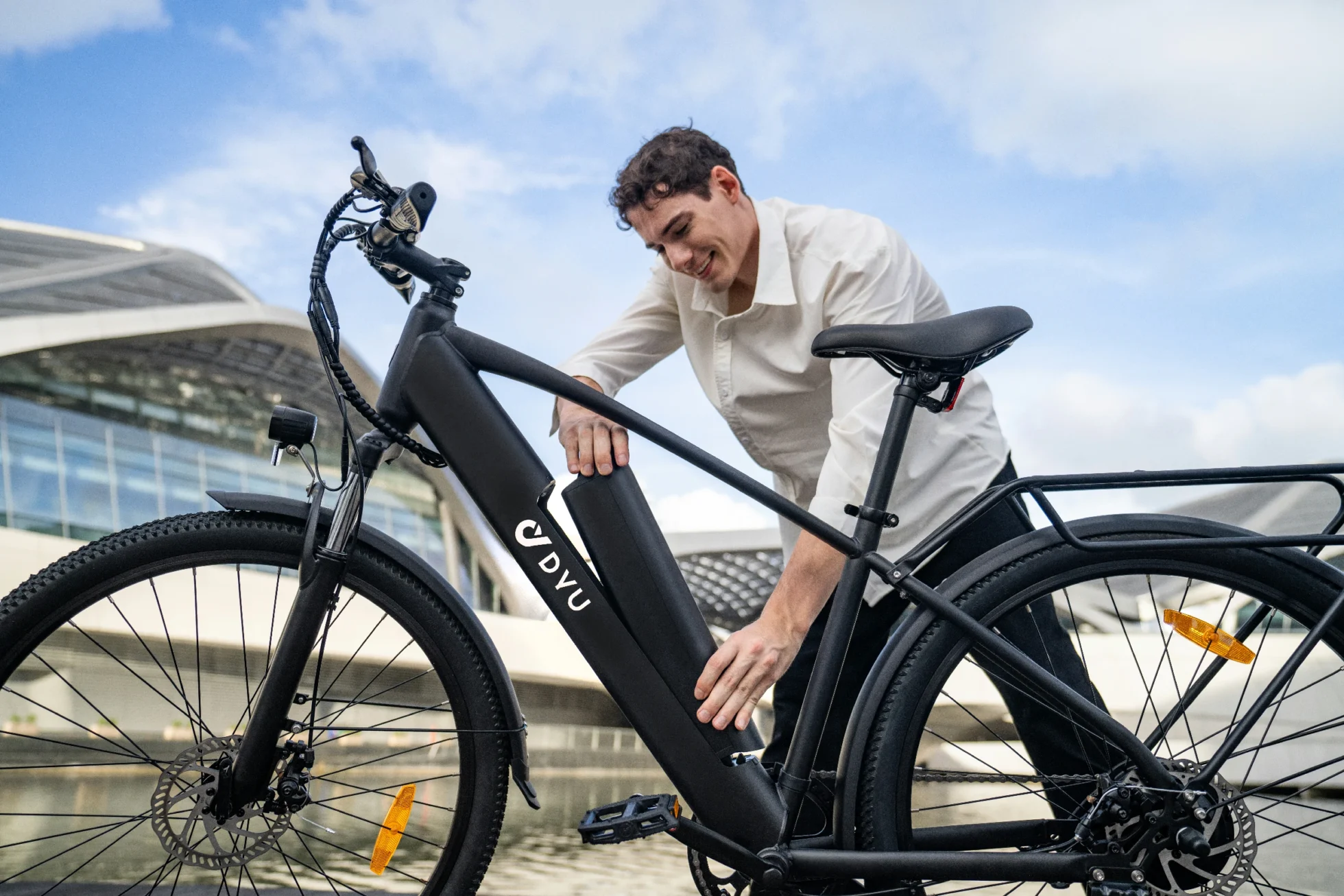
Write down the present setup before anyone changes it. Useful records include saddle height, fore-and-aft position and a side photograph taken on level ground. A clear baseline makes it easier to understand what changed and to return to an earlier setting if appropriate.
Have the saddle and seatpost inspected for secure mounting, damage and correct assembly. Position changes must stay within the component’s markings and instructions. Use the specified fastening procedure rather than applying a guessed torque from a different seatpost.
Height, tilt and reach can all affect how a saddle feels. Park Tool’s position-record worksheet provides a useful example of recording saddle angle, fore-and-aft position and other fit details. Use it as a record of settings, not as a prescription for your own body.
For a useful comparison, change one thing at a time with competent help when needed. If you change the saddle, height, bars and tyre pressure together, you will struggle to identify what improved the ride. A simple note after each controlled change is enough.
- Check that the bicycle is the right size for you.
- Confirm the existing saddle is installed correctly.
- Record the baseline before adjusting anything.
- Test one suitable change under repeatable conditions.
- Stop the trial if discomfort becomes pain or numbness.
Do not keep increasing saddle tilt to force a shape to work. Constantly sliding or bracing yourself with the hands is a reason to reassess the setup. Ask a qualified fitter for help when repeated small changes fail to produce a stable, comfortable position.
Use a Test Ride That Answers a Real Question
A useful trial resembles the riding you are buying the bike for. Wear the clothing and shoes you normally expect to use, keep the route manageable, and include ordinary starts, stops and turns. You do not need a hard effort to notice whether you are repeatedly moving away from the same uncomfortable spot.
Use the e-bike test ride checklist to cover control and fit alongside the saddle. Agree the permitted route and duration with the seller first. If only a short demonstration is possible, acknowledge what it cannot tell you about a longer commute.
Record observations in plain language: “comfortable at first, then sliding forward,” “rubbing at the inner thigh,” or “hard to reach the ground when stopping.” These are more useful than a single comfort score. They also help a fitter distinguish the complaint you want to solve.
For illustration, a shopper planning a 10 km commute might first compare two appropriate saddle shapes on the same fitted bicycle, then evaluate the preferred one over a longer permitted trial. That is a suggested process, not a measured guarantee that any particular distance proves a perfect fit.
A second rider’s verdict cannot substitute for your own. Someone with different proportions, posture or clothing may love the saddle you dislike. Treat reviews as a source of questions about construction and support, not a promise about how your body will respond.
Check Replacement Compatibility and the Full Cost
Ask the seller to identify the saddle rails and seatpost clamp before ordering a replacement. Confirm the replacement manufacturer’s requirements and whether the existing clamp is suitable. A new saddle should not require improvised adapters or clamping outside the marked area.
Also ask what adjustment is available once the saddle is installed. A compatible part is only useful if it can reach a suitable position within its allowed range. Unusual integrated seats or proprietary mounts deserve particular attention before assuming an inexpensive swap is possible.
Request a complete quote in euros that separates the saddle, any approved hardware, fitting labour and trial or return conditions. A cheap saddle that needs additional parts and repeated fitting visits may cost more than expected. Avoid comparing only the price printed beside the product photograph.
Do not add suspension components to the shopping basket automatically. They may change the available height, fit or compatibility and need their own assessment. First establish whether the problem is saddle shape, adjustment, bicycle fit or the way the complete setup handles your route.
A Buying Example: Check the HITWAY BK32 Contact Points
The HITWAY BK32 Mid-Drive Step-Through Electric Bike is currently listed at €1,249.99 and is available at the time of writing. Its published specification includes an Ananda mid-drive, a 374.4 Wh battery and a step-through frame. Those details describe the bicycle’s format and drive system; they do not establish that the supplied saddle will suit every rider.
Before buying, ask for the supplied saddle’s model and dimensions, rail and clamp details, and available adjustment. The current specification does not confirm those points or an individual rider’s comfort. Keep them as open questions rather than filling the gaps with assumptions about a city-bike photograph.
Best for further consideration: a shopper interested in a step-through mid-drive format who can confirm the overall fit and contact points. Pause the purchase if: saddle height, reach or replacement compatibility remains unclear and cannot be checked through a suitable trial or written information.
This approach works across the market. A motor specification or low-step frame may earn a bicycle a place on your shortlist, while the final decision still depends on how the complete bike fits. Do not pay for impressive electrical specifications while leaving the daily contact points unexplored.
Make the Final Choice From Repeatable Evidence

Keep a short comparison note for the saddles or bicycles you actually tried. Record the model, setup, clothing, approximate duration and what you noticed. If the conditions differed substantially, be cautious about declaring a winner from one brief impression.
Ask about cleaning, weather exposure and suitable care before purchase, especially if the bicycle lives in shared or outdoor parking. Follow the chosen saddle’s instructions rather than treating every cover material alike. Check the return terms before fitting or riding, since a trial policy and a standard return policy may differ.
The strongest choice is the one that fits your position, remains comfortable during an appropriate trial and can be installed correctly on the bike. A simple saddle with good support can be a better purchase than a heavily padded model chosen only by appearance. Leave room in the budget for competent fitting when you need it.
Conclusion: Buy the Fit, Then the Features
To improve e-bike saddle comfort, start with posture and overall bicycle fit, then check shape, sizing and adjustment. Use a repeatable trial and confirm mounting compatibility before paying for replacement parts. Softness and an “e-bike” label are only small pieces of that decision.
For the next shopping visit, bring your intended route, normal riding clothing and three questions: what saddle is supplied, how can it be adjusted, and what happens if it does not suit you? Clear answers make the purchase easier to assess.
FAQs
Q1. Is a wider e-bike saddle always more comfortable?
No. Suitable width depends on the rider, posture and saddle design. Use the maker’s sizing guidance and a meaningful trial instead of automatically choosing the widest option.
Q2. Do electric bikes need special saddles?
Some designs target e-bike riding, but the label alone does not establish fit. Consider your posture, route, adjustment and mounting requirements before selecting one.
Q3. Should I buy a softer saddle if mine is uncomfortable?
Check the complete fit and adjustment first. Extra softness does not necessarily address the cause, and shape or position may be the more useful change.
Q4. Can I replace the saddle on any e-bike?
Do not assume universal compatibility. Confirm the actual rails, clamp, adjustment limits and any proprietary parts before ordering a replacement.
Q5. How long should I test a saddle before buying?
There is no single duration that proves comfort for everyone. Seek a trial representative of your intended riding, follow the seller’s terms and stop if pain or numbness develops.


