
Electric Bike & Scooter Blog
New or Used E-Bike? A Buyer Decision Guide


Choosing a new or used e-bike starts with a deceptively simple price comparison. A used model costs less today, while a new one offers a clearer starting point. The useful question is what each option will cost to put into dependable service, with the right fit, a suitable battery and support you can actually access.
A low asking price can be attractive without being a bargain. Equally, a new bicycle is not automatically the right choice if it is too heavy for the stairs or uncomfortable on your normal route. Compare the evidence behind each offer, then decide which uncertainties you can reasonably accept.
New or Used E-Bike: Compare the Starting Conditions
A new bike usually begins with an identifiable specification, sales documentation and a seller to contact about delivery or defects. It still needs the appropriate assembly and first-ride checks. Read the actual support and warranty terms rather than assuming every new bicycle comes with the same cover.
A used bike may offer a better frame or component level for the money, but its history matters. Service records, ownership evidence, modifications and the condition of the electrical system influence value. A clean photograph does not establish any of those things.
| Decision factor | New bike question | Used bike question |
|---|---|---|
| Ownership and identity | Will the invoice identify the supplied model? | Can the seller demonstrate ownership and a readable frame number? |
| Battery | What pack and charger are supplied? | What is known about condition, history and compatibility? |
| Mechanical condition | Who completes assembly and setup? | What servicing is needed before regular use? |
| Support | Who handles diagnosis and parts requests? | Will a suitable workshop accept this system? |
| Total cost | Include setup and required equipment | Include inspection, repairs and missing items |
Use the same commuting and storage requirements for both options. If the route is 12 km each way, neither a discount nor a prestigious badge removes the need for sufficient practical range. If the lift is small, measure it before arranging a viewing.
Verify Ownership Before Discussing Upgrades
Ask for the frame number and check that it matches the bicycle you are viewing. Look for supporting purchase information and a credible explanation of the bike’s history. An unreadable, removed or deliberately concealed number is a reason to stop the transaction, not negotiate harder.
Bike Index explains how its searchable registration records help buyers check bicycles before purchase. Search appropriate local registers too. No database contains every stolen bicycle, so an empty result is not a certificate of ownership.
Keep the buying process traceable. Agree exactly which bike and accessories are included, record the frame number on the sale document, and avoid pressure to pay before reasonable checks are possible. If the seller will not allow identification or an appropriate inspection, another offer is the better use of your time.

Ask What the Battery Evidence Really Shows
A battery display at full charge describes a current indication, not a complete health report. Ask whether the pack is original, whether it has been replaced or repaired, and whether the seller has a dated professional assessment. Request the exact pack identification before pricing a replacement.
Do not treat a short demonstration around a car park as proof of commuting range. It can show that assistance operates at that moment, but it cannot establish how the battery will perform across your route in different conditions. Where a suitable diagnostic or capacity assessment is available, ask what it measures and what it leaves unknown.
The US Consumer Product Safety Commission’s micromobility guidance advises using the manufacturer-provided or recommended charger and approved compatible replacement batteries. It also cautions against packs modified by unqualified people. These are useful equipment checks for buyers; they are not a claim about European product certification.
A plug that fits does not establish electrical compatibility. Record charger and battery model details, and obtain confirmation from the relevant manufacturer or qualified service provider if anything is unclear. Do not charge a damaged or suspicious pack just to complete a viewing.
Price uncertainty instead of inventing a lifespan
If the battery history is missing, do not assign it an imaginary percentage of remaining life. Ask for a confirmed replacement option and a current quote, then decide whether the purchase still makes sense. If no supported replacement can be identified, that uncertainty may be more important than the discount.
Our spare parts availability checklist helps turn a vague promise of support into concrete questions. Identify the actual component and the party who can supply or fit it. “Parts are easy to get” is not enough information for an expensive electrical system.
Inspect the Bicycle as Well as the Motor
Check fit, frame condition, wheels, tyres, brakes and drivetrain with the same care you would give a conventional bicycle. Motor assistance can make a short ride feel easy while concealing how awkward the bike is to push, park or lift. Try those everyday movements before deciding.
Park Tool’s drivetrain troubleshooting resource shows that poor shifting can involve wear, cable friction, alignment or incompatible parts. A seller’s promise that a skipping chain “only needs a tweak” should remain unconfirmed until it has been assessed.
Use our e-bike test ride checklist to organise the viewing. Ask permission for an appropriate ride in a permitted area, and do not continue if braking, steering or pedal engagement feels unreliable. A professional inspection is particularly useful when you cannot evaluate the faults yourself.
Request a written estimate for necessary work rather than building the budget around a guess. Separate essential repairs from optional improvements. A better saddle may be a preference; unreliable braking is a condition that needs resolving before normal use.
Compare the Cost of Being Ready to Ride
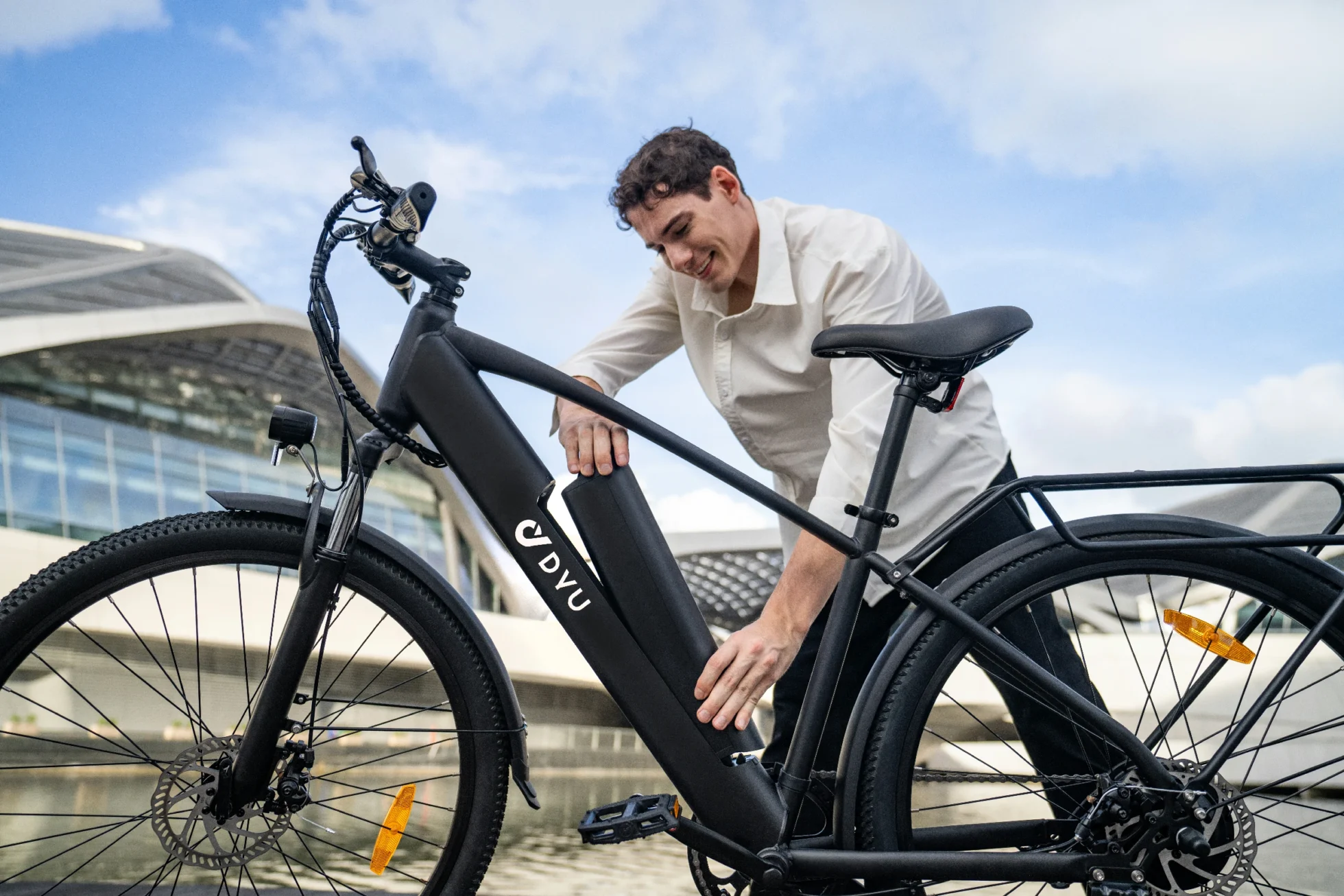
Create a short budget for each offer. Include the purchase price, inspection, essential repairs, missing approved equipment and any setup you cannot complete yourself. Keep an allowance for uncertainty separate so you can see how much of the apparent saving depends on optimistic assumptions.
For illustration only, a used bike at €650 plus a €90 inspection and €180 of confirmed repairs totals €920 before any uncertain battery expense. These are invented budgeting figures, not workshop quotes or market averages. Their purpose is to show why comparing €650 directly with a new-bike price can be misleading.
Now add the practical cost of downtime. Someone with another way to reach work may accept a repair wait that would be unacceptable to a daily commuter. This is not a reason to buy the most expensive bicycle; it is a reason to choose a purchase process and support arrangement that fit your circumstances.
Use a New HITWAY BK32 as a Price Reference
The HITWAY BK32 Mid-Drive Step-Through Electric Bike is currently listed at €1,249.99. Its product information lists an Ananda mid-drive motor, a 374.4 Wh battery and a step-through frame. These details provide a concrete new-bike reference when comparing an individual used offer.
The listed range is 80–120 km, but it is a stated range rather than a verified result for your route. Ask about test conditions and plan around hills, rider load and assistance needs. Do not infer that the same distance is available from every used bike with a similar battery size.
A used bike could still be the stronger purchase if it fits better, has a documented history and costs less after confirmed work. The BK32 could be worth considering if the frame format and support arrangements fit your needs. Neither conclusion follows from the price alone, and this is a shopping reference rather than a hands-on comparison test.
Choose the Option Whose Uncertainties You Can Manage
A used bike is worth considering when
- Ownership is credible and identifying details are intact.
- Condition and required work can be assessed before payment.
- The battery and charger are correctly identified.
- Suitable servicing and necessary parts are available.
- The final cost leaves a meaningful saving for the compromises involved.
A new bike is worth considering when
- You value a documented starting specification and direct seller contact.
- You need predictable setup arrangements and clearer purchase paperwork.
- Used offers leave major electrical or ownership questions unresolved.
- The new model fits your route, storage and handling requirements.
- The complete budget works without relying on future upgrades.

Before paying, write one sentence explaining why this particular bicycle is suitable. “It fits the lift, supports my route and has a clear service path” is stronger than “the discount looks large.” If the explanation depends on several unanswered questions, keep looking.
The best new or used e-bike decision is the one supported by evidence you understand. Verify identity, assess condition, price essential work and check daily fit. A good deal should remain convincing after those steps, not require you to skip them.
FAQs
Q1. Is it better to buy a new or used e-bike?
It depends on fit, condition, support and the complete cost of getting the bike ready for use. A documented used bike can offer value, while a new bike may reduce uncertainty about its starting condition and supplied equipment.
Q2. How can I check a used e-bike battery?
Identify the pack, ask for its history and request an appropriate professional assessment where available. A full display or short test ride does not establish remaining capacity or future lifespan.
Q3. Is low mileage enough to prove good condition?
No. Storage, age, servicing, modifications and actual component condition matter too. Treat the displayed distance as one piece of information, alongside inspection and records.
Q4. What costs should I add to a used e-bike price?
Include inspection, essential servicing, confirmed replacement parts and any missing approved equipment. Use real quotes where possible and keep unresolved battery or parts questions visible rather than assigning optimistic numbers.
Q5. When should I walk away from a used e-bike?
Unclear ownership, concealed identification, suspicious battery modifications or refusal of reasonable checks are strong reasons to stop. An attractive price does not resolve those issues.


